
It is hard to believe that it has been 1 year since Covid-19 was declared a pandemic on March 11, 2020. Restaurants were one of the first sectors hit, as restaurants were ordered closed in cities across the US in March 2020. Restaurants in Chinatowns across the US were among the first hit by declining restaurant patronage, even before the dine-in bans, largely due to racism and xenophobia. In March 2020, chef and food historian Grace Young started making a video series documenting the effects of the early pandemic on Chinese restaurants in NYC. These videos were produced with the Poster House Museum in NYC who contacted Grace to work with them in conjunction with an exhibit on Chinese posters, “The Sleeping Giant: Posters & The Chinese Economy.” Grace sprung into action, and with photographer Dan Ahn, interviewed restaurant owners and other leaders in Chinatown about how the epidemic was already affecting their lives and businesses. It is especially poignant to look back on these stories now, as Asian Americans have increasingly been the target of violent crimes in the US.
You can view all eight videos in the series on Vimeo, which ended in October 2020. Grace’s projects brought welcome publicity to the restaurants and businesses, earning widespread media coverage, including a GrubStreet article which called her the “unlikely voice of Chinatown.” Unfortunately, some of the restaurants featured, including French-Malaysian restaurant Aux Epices, closed even over the course of Grace’s coverage, and their future remains uncertain. However, Grace’s video coverage of this community was only the start. In December 2020, she started an Instagram campaign to highlight Chinese restaurants around the world, #savechineserestaurants. In January 2021, Grace also started a Go Fund Me to support legacy restaurants in NYC’s Chinatown, to which you can still donate. Grace’s coverage of these businesses during the early throes of Covid-19 is a poignant record of the effects of the virus on one community’s food culture. Unfortunately, one year on, Chinatown NYC is still a long way from recovery.
 Brunch may get a lot of press in the US, but give us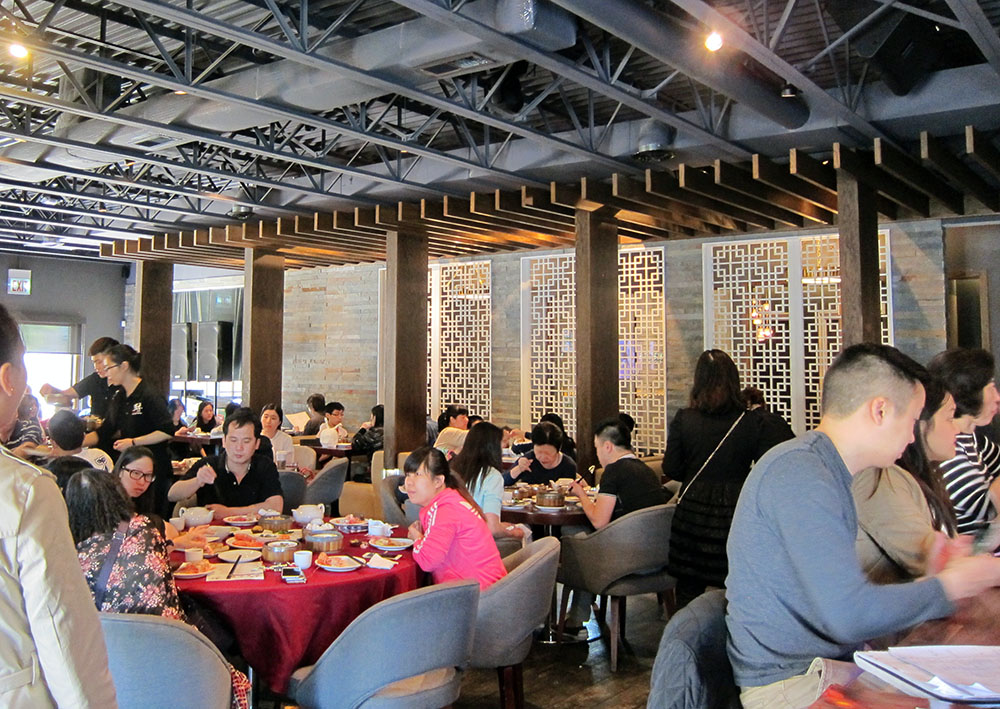

 The name of the Hong Kong-based chain Saint’s Alp (2157 S China Place, Chicago, IL 60616) has always puzzled us – much like the steakhouse chain Ruth’s Chris, it seemed like the apostrophe was in the wrong place. But whatever the grammar, Saint’s Alp is an awesome place for a Taiwanese-style
 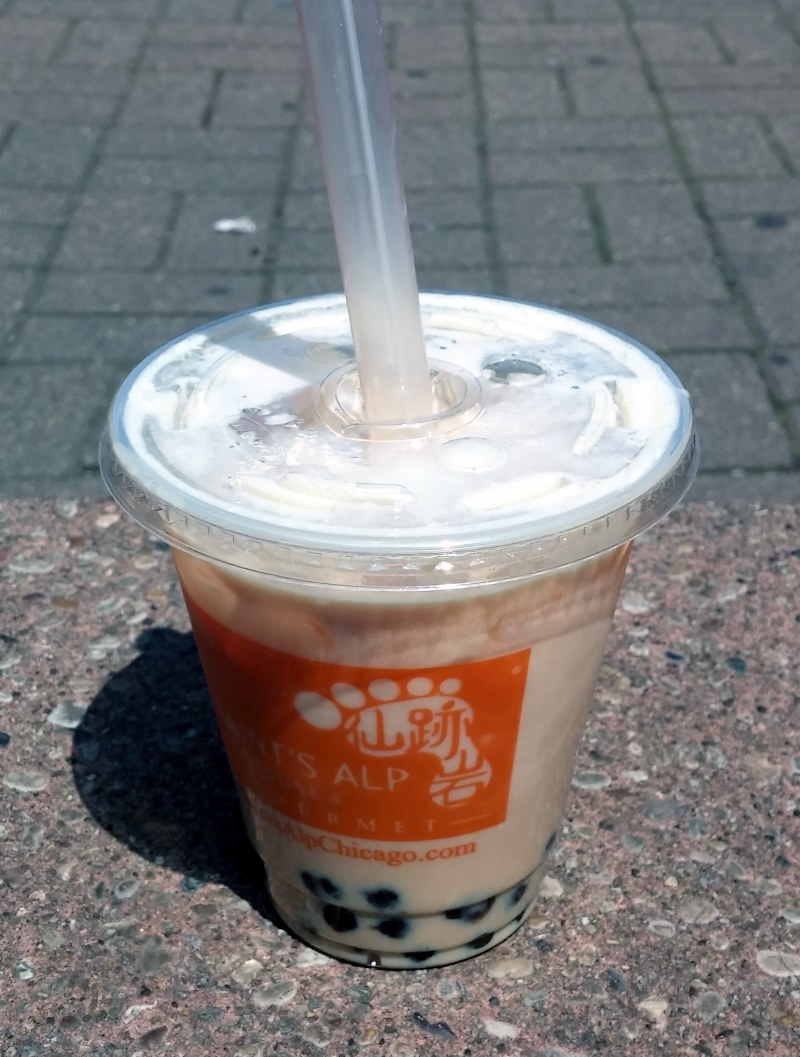 If you are indecisive – be warned – there is actually a book of tea varieties to flip through before you make your choice. They have more traditional green, black and oolong tea varieties along with the milk teas (which may or may not have tea in them in some cases). We especially like these dairy-or nut milk based teas, a generally popular choice, which come in varieties like Black Tea, Matcha, Almond Milk, Taro and Sesame. You can order the teas with the classic round, tapioca pearls – or boba – but there are also other more unique add-ins like “nata” coconut cream or rainbow agar jelly. Most teas are available either hot or iced, and in small or large sizes – any of which will run you less than $5.
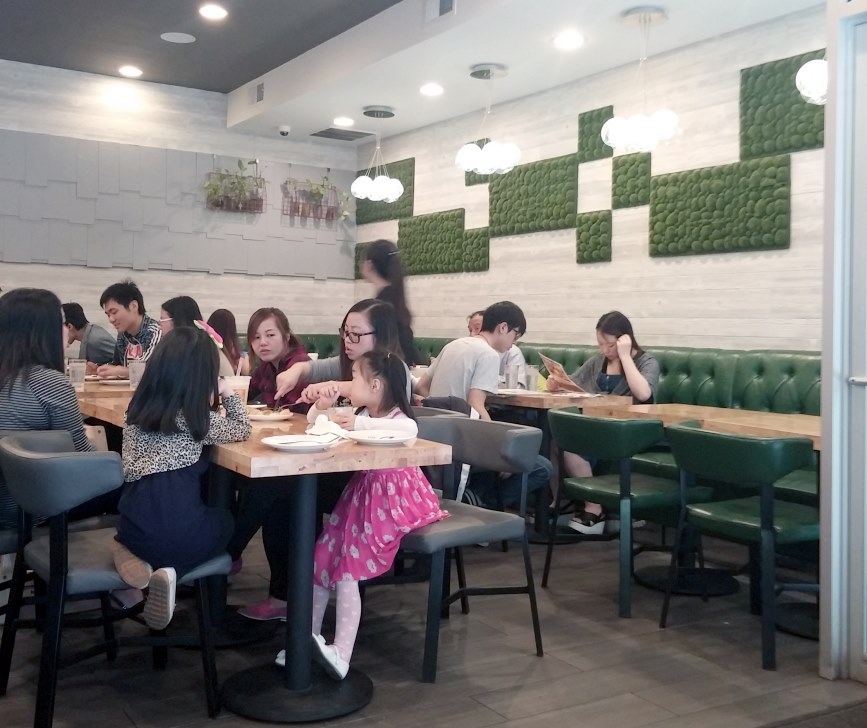 Without seeing the menu itself, it is impossible to gauge all of the varieties available, from Sumiyaki Coffee (instant coffee usually served with coconut milk) to Kumquat Lime Nectar to Iced Mint Cream Tea. There are also fresh fruit smoothies, and milkshake-like sweet drinks with yogurt or chocolate. Although there is a seating area inside Saint’s Alp, there is nothing better than taking a stroll around Chinatown and Ping Tom Park with an iced bubble tea in hand. Though if you are like me, you may want to take a

 Eating The World