
In January we were lucky enough to spend a week in Oaxaca, Mexico. This was my second visit to Oaxaca, and M’s third, and it is a place we are always glad to revisit. In our opinion, there are few cities in the world that have better food. True to previous experiences, we had amazing food all over Oaxaca City on this latest trip. But our standout favorite restaurant, which we visited twice, was Totopo Güero Cocina Istmeña (Ignacio Allende 211, Oaxaca). The Cocina Istmeña (Isthmus Cuisine) in the title refers to the Isthmus of Tehuantepec, a narrow strip of land between the Gulf of Mexico and the Pacific Ocean. This Istmeña region is also known for its unique cuisine within the already-renowned culinary paradise that is the State of Oaxaca.
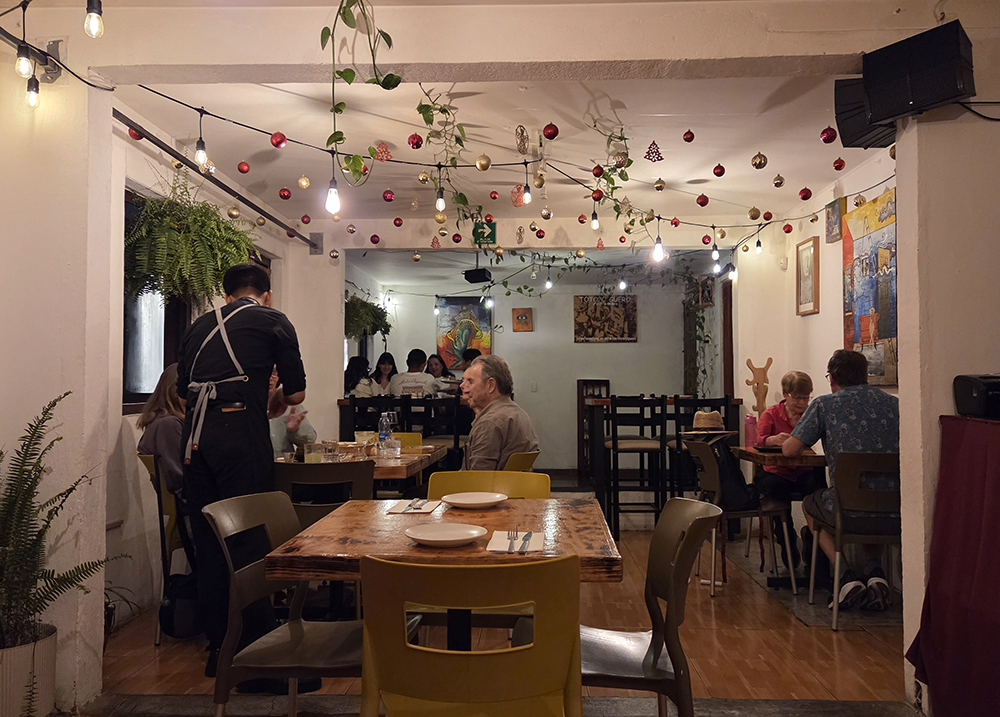
Totopo Güero is a small restaurant located on the second floor of a building right in the heart of the historic center of Oaxaca. The restaurant’s service and ambiance are very welcoming, and being just set off of (and above) the main drag lends a calm atmosphere. The menu itself is small and well-edited, featuring many hyper-regional Oaxacan dishes. To start, the menu highlights many appetizers that are unique to Oaxaca including tlayudas and garnachas. These are both classic street foods on a masa base, slathered with beans cooked in lard. The tlayudas are thin, large and crispy (and can come with a variety of meat toppings), while the garnachas are smaller and thicker. Other featured appetizers include fried empanadas, fried plantains, and tamales.
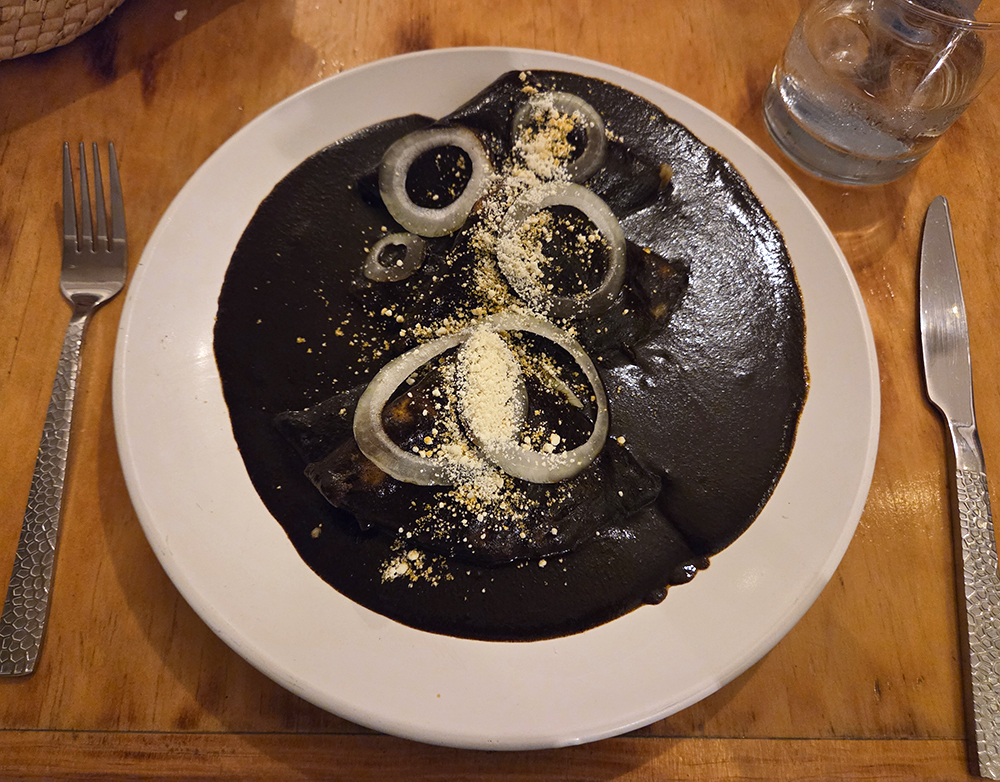
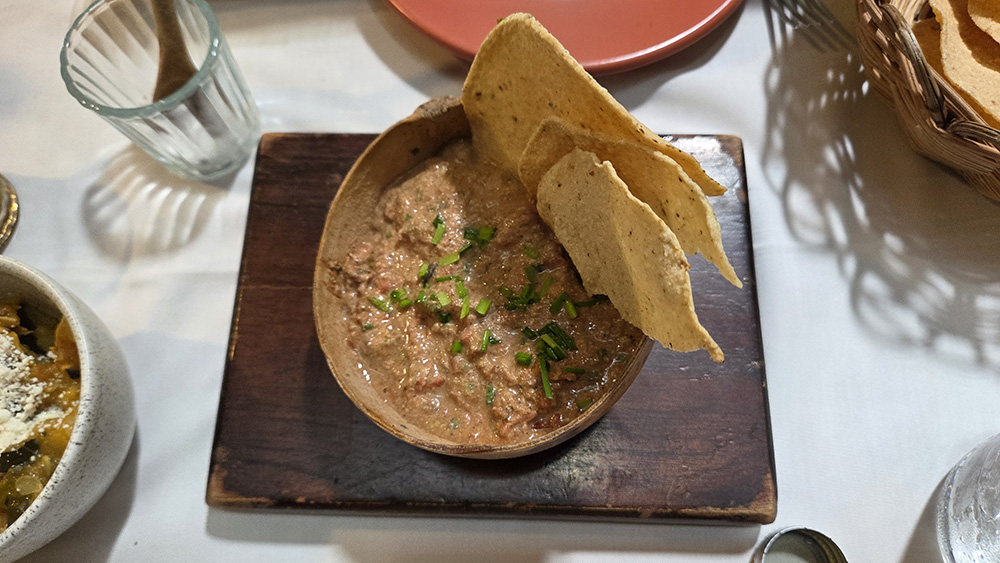
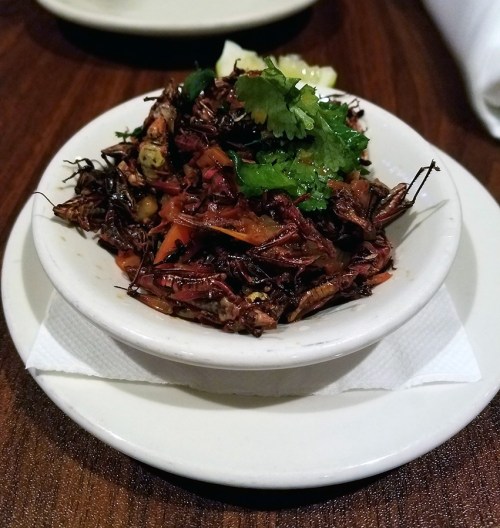
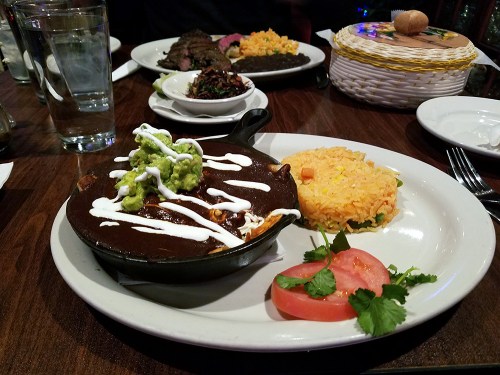
For main courses we were excited to see many regional moles on the menu, for which Oaxaca is famous. Both times I ordered the enmoladas, cheese or chicken triangular-shaped enchiladas in a rich mole Istmeño (seen above). Before visiting this restaurant we were not familiar with this type of mole, but were happy to find that it was similar in spirit to the sumptuous black Oaxacan moles we had tried before (there are also red mole Istmeño varieties). The flavor was complex and rich with smoky, sweet, and acidic notes. Having sampled moles across many restaurants in Oaxaca, Totopo Güero’s mole Istmeño was our favorite mole in the city. On our various visits to Totopo Güero we tried the mole de Hierbasanta – made with hierbasanta, guajillo, jalapeno, and serrano chiles – served over totopos, akin to thick tortilla chips (from where the restaurant gets its name). Another favorite was the Costilla de Puerco Horneada, pork shoulder with guajillo and red ancho chiles, over a potato puree.
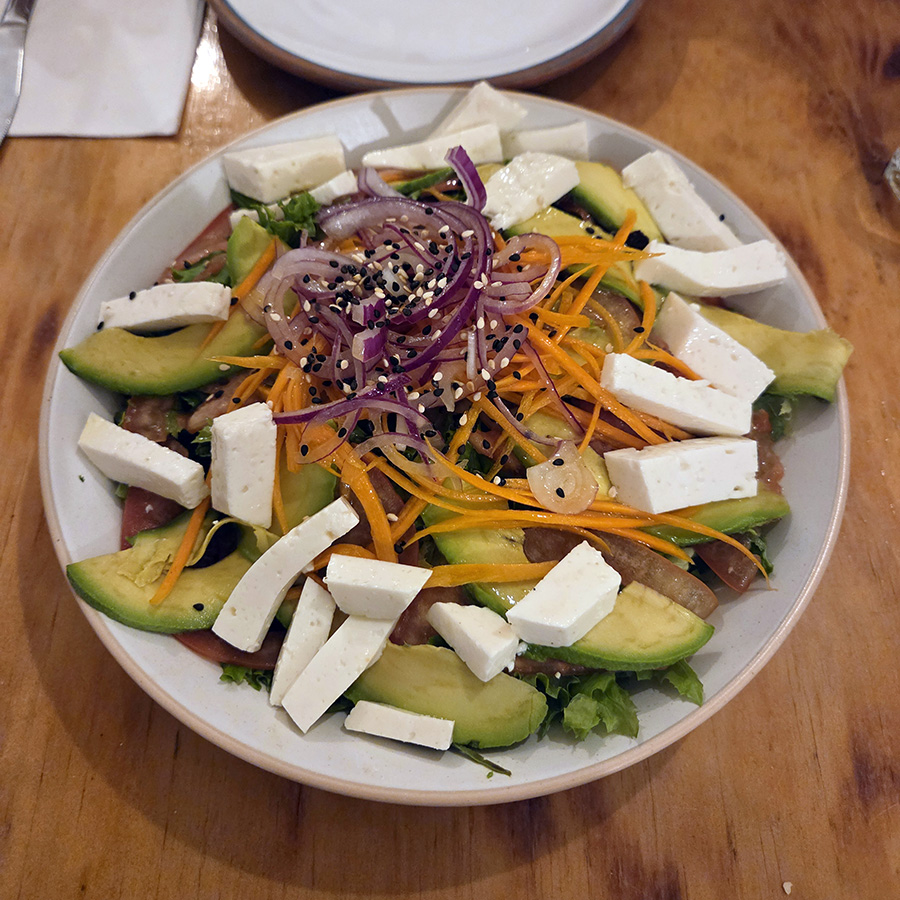
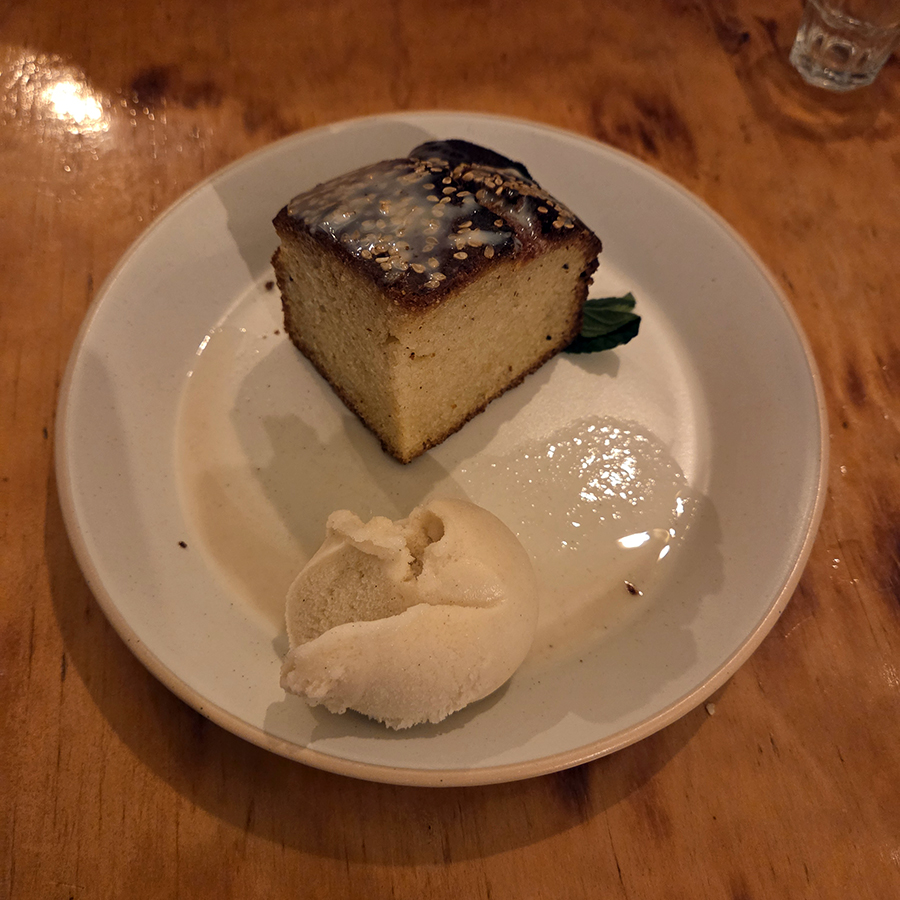
Refreshingly, the restaurant also offered a colorful garden salad with fresh queso Oaxaqueño, a lighter dish that was somewhat of a rare find for the vegetable-hungry. They also offered us a free shot of the house mezcal at the start of the meal, which M enjoyed sipping alongside his meal. For dessert we had the new-to-us dish Pan de Queso Istmeño. This regional specialty was a sweet yeasted bread topped with sesame seeds, accompanied with a scoop of nieves, the shaved ice of the region. Other options for dessert included pan de elote, a local style of cornbread, or a full size serving of nieves. Every dish at Totopo Güero was delicious, the service was exemplary, and the price was right. As noted, we actually visited this restaurant twice on our trip, something we rarely do. We highly recommend Totopo Güero for a delicious regional taste of Oaxaca’s culinary delights.





 When you think of Mexico, it is unlikely that you think of its rich Jewish food tradition. However, there have been







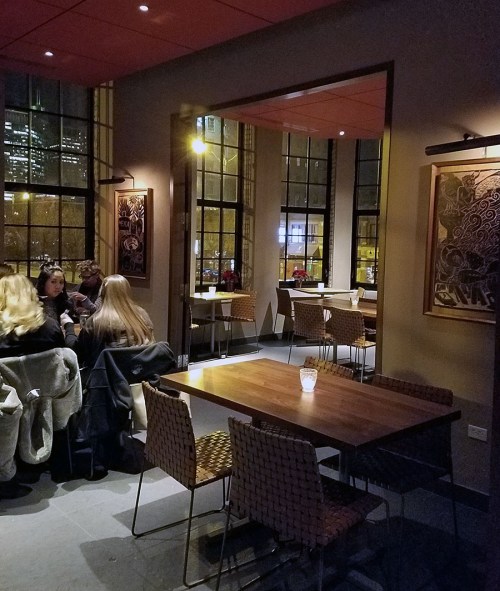
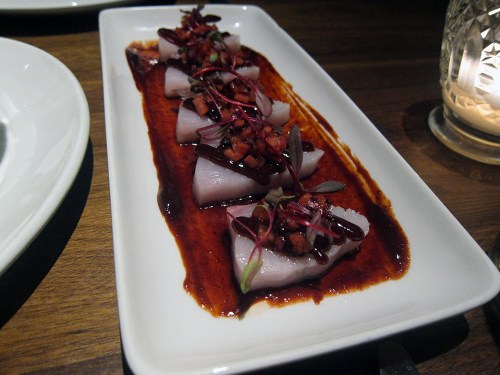 The interior of Leña Brava is sleek and stylish, and seems to draw a similar crowd, fitting with the location. The massive wood-fire grill is one of the features of the restaurant, and it is in full view of diners on the first floor. Not everything is wood-fired, though. The menu is divided into both hot and cold items – in sections called “ice” and “fire.” The cold menu is composed of oysters, ceviches, seafood cocktails, aguachiles (similar to a ceviche, but with a super-spicy broth) and laminados (raw sashimi-style fish – above). On the hot side of the menu, you can get grilled fish, pork belly, scallops or even roast chicken for two. We decided to sample items from both the hot and cold sides.

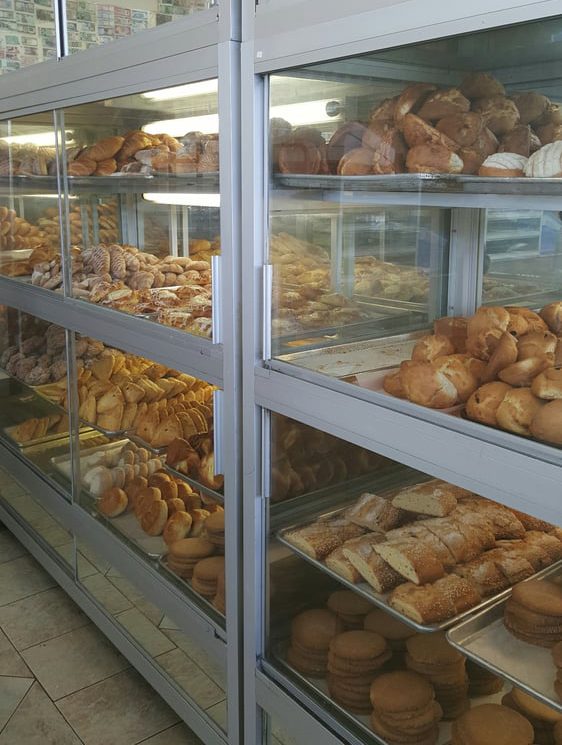
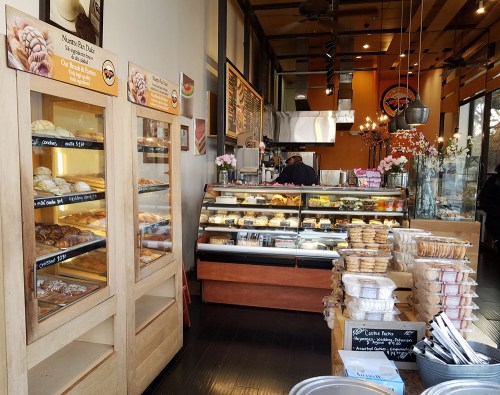
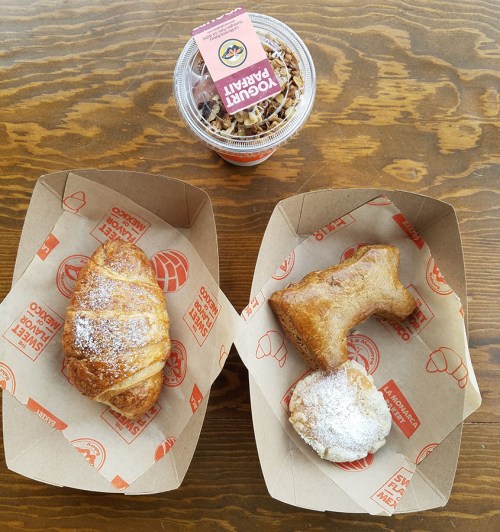
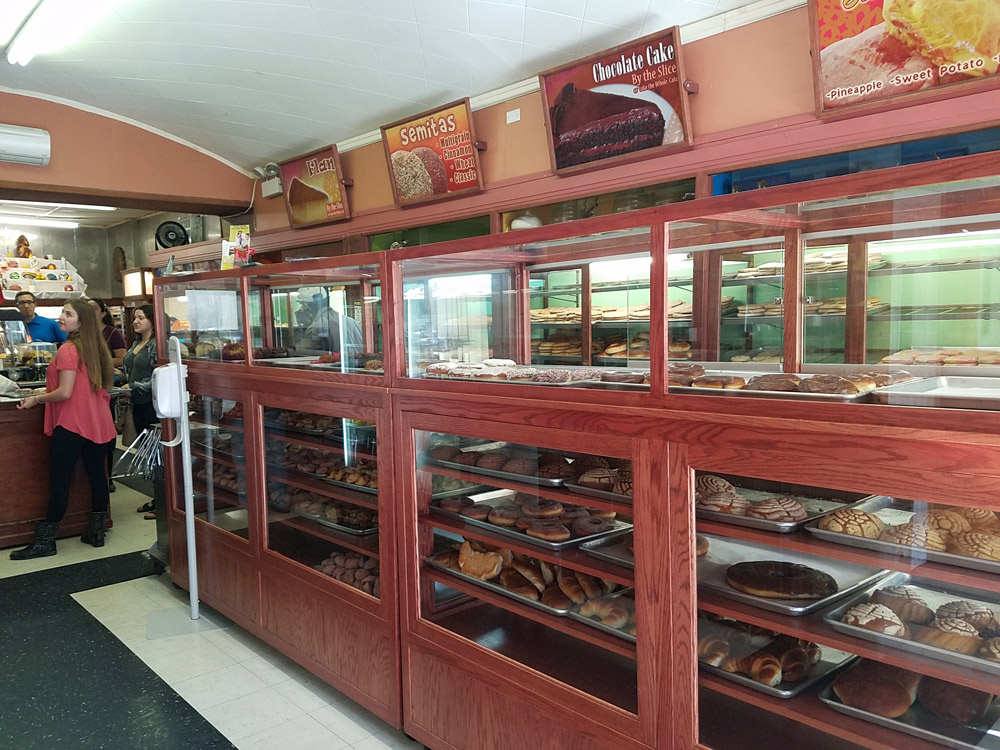 Nuevo Leon is absolutely full of wooden and glass pastry cases, and you pick up a set of tongs and a metal tray to make your own selections. There are a huge variety of
 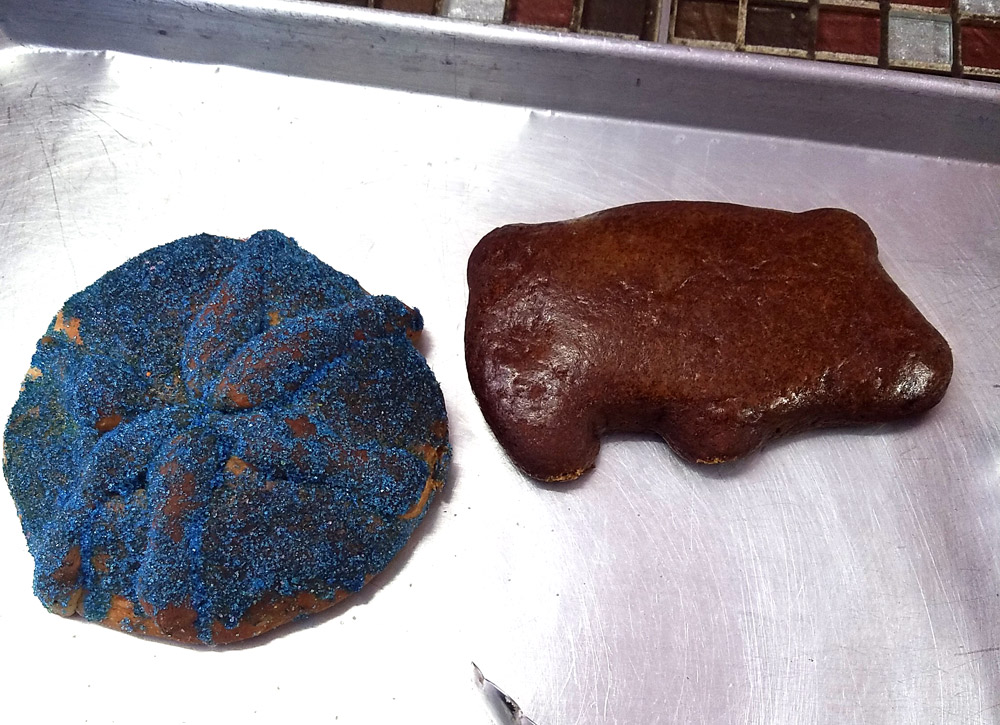 We love that Nuevo Leon stocks up on the special holiday treats. For Day of the Dead, Nuevo Leon is our go-to for tasty anise-flavored
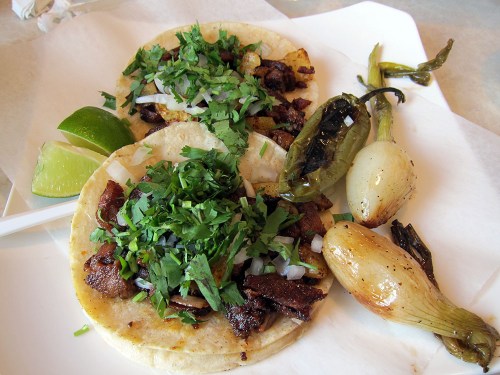
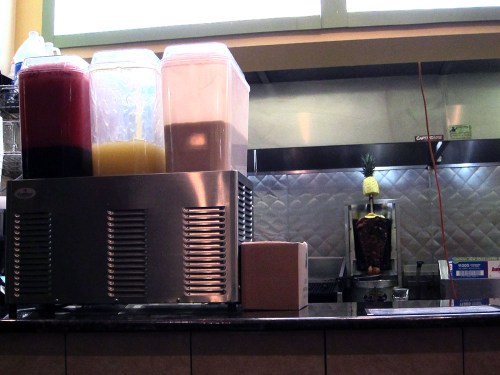

 The story of
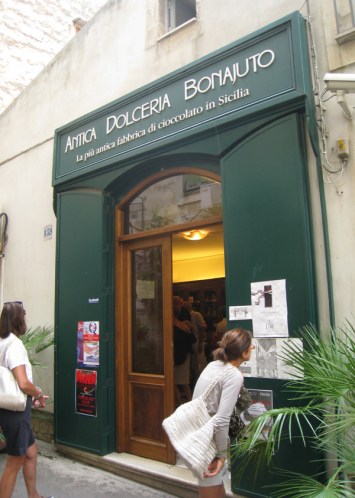 On our trip to Sicily, we took a visit to Modica to see this piece of chocolate history for ourselves, and stopped at the Antica Dolceria Bonajuto (Corso Umberto I, 159, 97015 Modica RG, Italy), one of the more famous chocolatiers, in operation since 1880. This shop in particular is known for their wide variety of Modica chocolates made on the premises. The chocolate bars here come in almost every cacao percentage, plus unique flavors like lime, marjoram, almond and orange peel. Fortunately they let you sample, so we were happy to taste a bunch of varieties before we arrive on our two favorite picks: sea salt and hot chili.
 While you can find good traditional Mexican chocolate in Oaxaca and other places in Mexico itself, what Sicily has to offer is on par with these treats. And truth to be told – we could see that this chocolate and that found in Oaxaca were cousins, maybe even siblings. If you are unable to visit Modica itself, you can get the Modica-made


 Eating The World