
I love nothing more than discovering similar dishes from disparate locations. When we were visiting some new foodie friends, we brought along box of Italian torrone morbido – soft almond nougat – to contribute to dessert. Torrone is one of our favorite winter holiday treats, and is an especially good host gift as it is typically both gluten and dairy free. When our gracious hosts tried the torrone they instantly drew a parallel with gaz, the confectionery specialty of the Isfahan region of Iran. In fact, they were kind enough to share some special gaz brought directly from Iran. We heartily appreciated them delving into their limited supply in the name of food culture research!
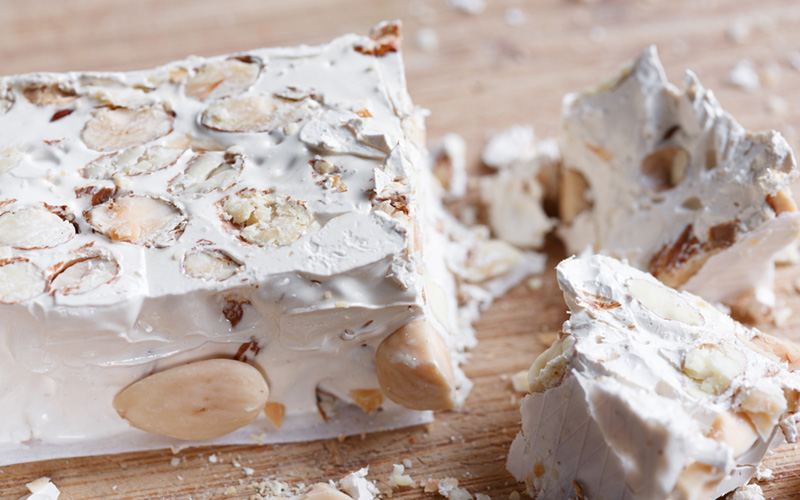
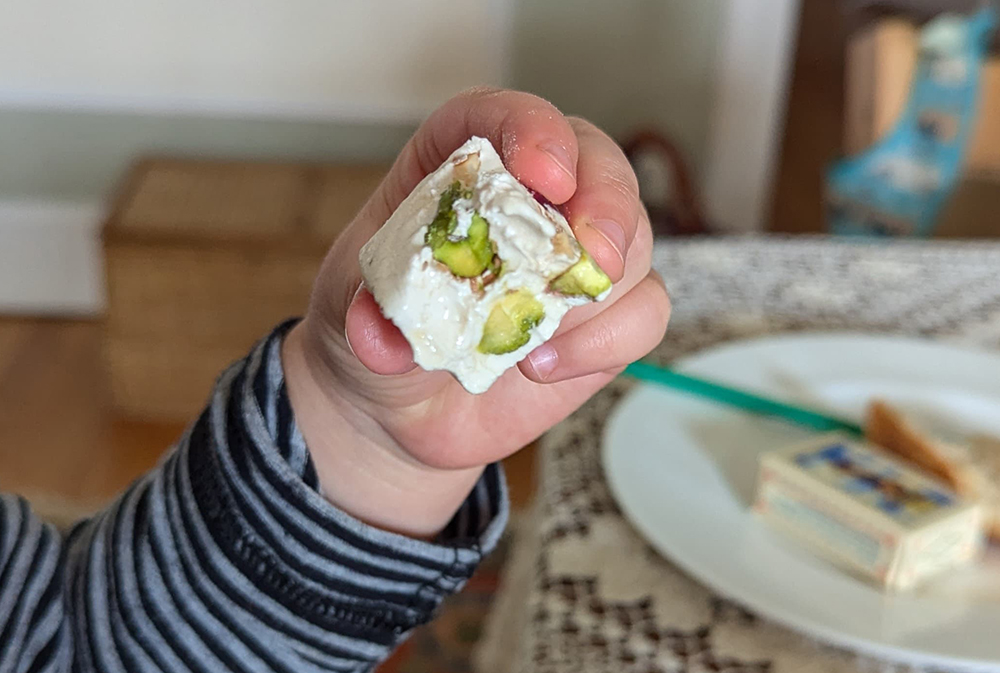
We instantly recognized the parallels between the two confections. Both were soft nougats made with egg whites, sugar, and whole nuts, cut into small rectangles. For torrone, the type of nuts used depends on the region (ours was almond), while gaz is typically made with pistachios. In terms of predominant flavor, gaz is also tinged with rosewater and Tamarisk tree sap, while Italian torrone flavors may include citrus or vanilla. The method for preparing both nougats is very similar, and if you are ambitious you can make it yourself (recipes for torrone and gaz here). Both are also commercially available, our go-to torrone, available in many US Italian markets is La Florentine (and we recently just learned the story behind their packaging design). Eataly also has a wide variety of torrone. You can order many varieties of gaz online at Persian Basket. However, to get the best versions you will probably have to visit the respective countries of origin.
Torrone can also be found in a very similar format in Spain, where it is called turrón. The similarities between turrón/torrone and gaz are not coincidental. Though its exact creation story is lost to time, it is speculated that one possible origin for Mediterranean European nougats is through the adaptation of Middle Eastern nougats as they entered Southern Spain or Sicily through cross-cultural exchange. Munching on our Persian and Italian treats, we were grateful for new friendships and cross-cultural culinary connections.
 February 12th rings in the



 Saturday is Chinese New Year – kicking off the year of the horse! Chinese

 Today is election day in the US, and while the eaters voted early in Ohio last week, it has still been a stressful day watching the news and the polls. I think we, and anyone else who voted, deserves some cake – maybe even some “Election Cake.” Though it has been out of fashion for over a century, Election Cake used to be an election day staple. Election Cake represented the most popular flavors of the time: it is a leavened sourdough cake with molasses, cinnamon, dried fruit and nuts. In the past, when people actually had to travel distance to the polls,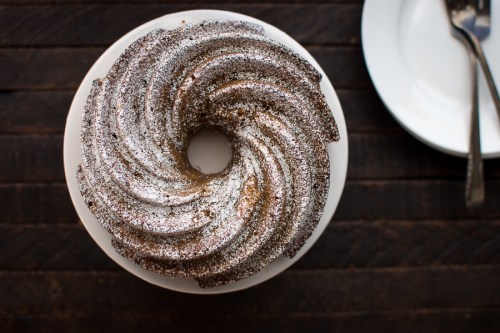
 This fascinating Telegraph India article weaves the long and winding history of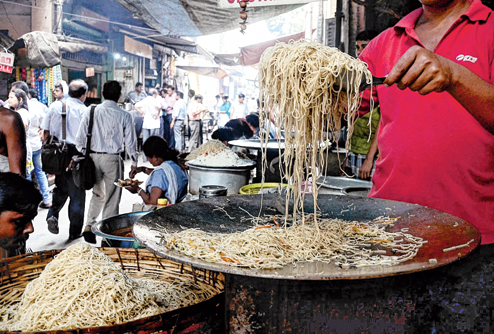

 The story of
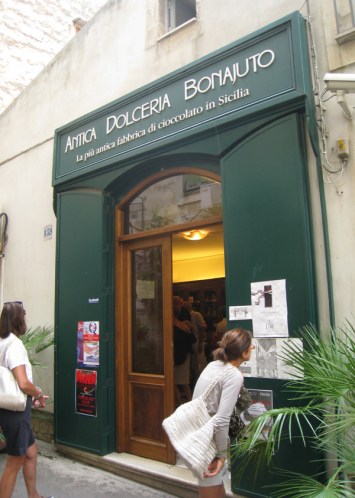 On our trip to Sicily, we took a visit to Modica to see this piece of chocolate history for ourselves, and stopped at the Antica Dolceria Bonajuto (Corso Umberto I, 159, 97015 Modica RG, Italy), one of the more famous chocolatiers, in operation since 1880. This shop in particular is known for their wide variety of Modica chocolates made on the premises. The chocolate bars here come in almost every cacao percentage, plus unique flavors like lime, marjoram, almond and orange peel. Fortunately they let you sample, so we were happy to taste a bunch of varieties before we arrive on our two favorite picks: sea salt and hot chili.
 While you can find good traditional Mexican chocolate in Oaxaca and other places in Mexico itself, what Sicily has to offer is on par with these treats. And truth to be told – we could see that this chocolate and that found in Oaxaca were cousins, maybe even siblings. If you are unable to visit Modica itself, you can get the Modica-made
  We are going to New Orleans at the end of this week, one of our favorite food destinations! To prep for our journey we’ve been doing a lot of of research into what food we want to eat, and what music we want to hear (answer: EVERYTHING). Appropriately, we unearthed a food story at the junction of food and music that involves one of New Orleans’ favorite sons, Louis Armstrong. It turns out that along with being the lauded musicians that he was, Louis Armstrong was a major foodie. In fact, he often signed his letters, “Red Beans and Rice-ly yours,” after his favorite dish. In 1971, Louis Armstrong gave one of his final performances, which was



 Eating The World