 If you want to eat at Boutequim de Mouraria (R. da Mouraria 16A, 7000-585 Évora, Portugal) you have to plan in advance. There are only nine seats, and a single seating for lunch and one for dinner. Moreover, there are no reservations – you have to wait. Our party of 4 got there at 1130 AM for the 1230 opening on a weekday, and there was a family of four already there waiting. Despite these restrictions, we really encourage you to go – this was probably the best meal we had in all of Portugal. The Botequim de Mouratia is basically a bar, where you sit at the counter and watch the master of ceremonies, Domingos Canelas, and his wife Florbela cook a classic Portuguese meal and entertain. The bar itself is tiny and old fashioned, lined with vintage photos, wine bottles and the flags of the nations of every visitor that have dined there (a lot at this point).

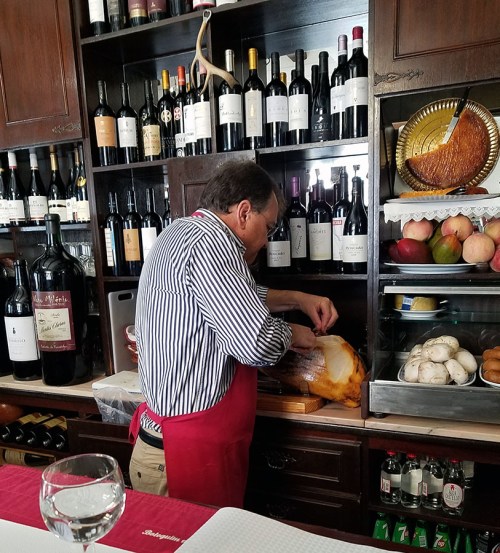
The menu is small and simple, and at first glance does not really seem like anything different than at any Portuguese corner restaurant. However, you won’t feel lost, and you are free to pick and choose and customize. In essence you just ask Domingos what is good, and he will make it for you. What really sets this place apart is the level of detail paid to every single ingredient and preparation. For example, when picking out the fresh figs to serve with our presunto (jamon serrano) he threw out at least three because they were not up to his standards before settling on the perfect picks. He carefully sliced off each slice of presunto by hand. Our first course was a classic: of fresh figs, melon and hand-sliced presunto from a leg kept right in the middle of the bar (13€). The figs were the best we ever had and the combination of all three together was divine. Next, we sampled a local goat cheese baked with marjoram (4.50€) . The ultimate farm to table appetizer, this goat cheese is from a local farm only a few miles away. I could have eaten this whole dish myself, though we shared it between us. As a complement to the cheese there was fresh crusty bread and fig jam that was delectable enough to eat on its own.
Seafood is an art in Portugal, so we knew we had to sample some here. We each ordered a langostine, which was advertised as “shrimp,” with a whopping price of 80 Euros a kilo. Domingos told us that each shrimp was about 500 grams, which is about half of a pound – so HUGE, but of course we were not envisioning the proper size – even when given full information. So lo and behold that we were surprised when a giant shrimp came out for each of us – to the tune of 20€ each. However, even with that steep price tag – it was worth it – these shrimp were the most delicious, tender and flavorful ones we had ever eaten. We could have made an entire meal out of these alone.

For mains we tried the wine-braised pork loin (14.50€), other options included fish and steak (13-16€). The pork loin was a simple cut, but deliciously prepared in a clean wine sauce. One order was more than enough to serve the both of us. On the side were homemade chips and a simple vinaigrette salad. This was the best version of the classic Portuguese meat and two sides we have ever had. Though each sounded simple, the whole was more than the sum of its parts. Throughout the dinner Domingos chatted amiably with guests, and plated, served, and described everything himself.

All of the desserts were displayed on the back of the bar, and they all looked delicious – we didn’t know what to choose. Of course, Domingos then suggested that we tried one of everything. The mixed dessert plate consisted of: a fresh fig in syrup, a queijada, fig and chocolate cake and an almond and coconut Morgado cake. The fresh fig again was a revelation. Before this trip to Iberia I don’t think we had every really had fresh figs (certainly not common in the Midwest), and now we can’t get enough of them. We also like the appearance of the figs in the pound cake with chocolate chunks.

There is an extensive wine selection and Domingos will happily will choose a wine for you, and of course he is extremely knowledgeable about the wide selection of Alentejan wines. Our dining experience lasted about 2 hours, and we never felt the least bit rushed. You can tell all of the pride that Domingos and Florbela take in their restaurant, and it really shows through in the service and the food. The lunch reminded us of the Japanese dining experience presented in Jiro Dreams of Sushi – a master at the height of his craft in a tiny, well-curated restaurant. If we went back to Portugal, this would definitely be our first stop. Boutequim de Mouraria serves amazing, simple Portuguese food that is worth waiting for!


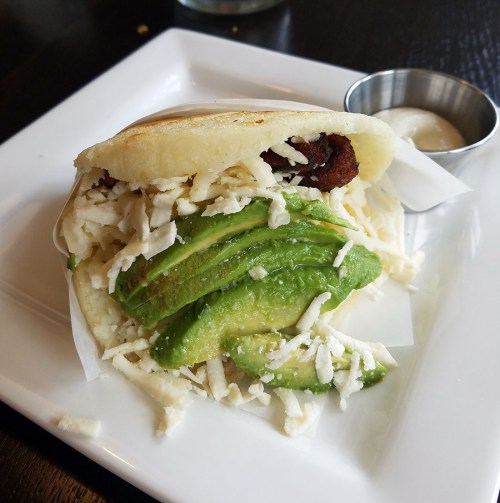
 When we go to NYC, we always enjoy getting arepas – Venezuelan corn masa patties with a variety of fillings – but we didn’t really have a go-to arepa spot in Chicago (


 When we first happened upon a picture of this cake, we couldn’t believe it was real. Was it a fruit? Gelatin? Turns out that this striking, otherworldly concoction is Vietnamese Pandan Honeycomb cake.
  Today is
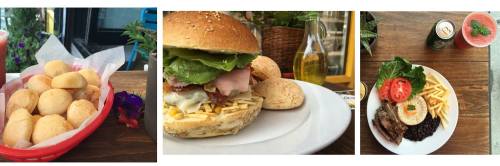
 Even since M first visited Peru in 2004 he has been on the hunt for the perfect ceviche. Even when we are not looking, sometimes a place specializing in ceviche will present itself. When we arrived in Lisbon we had heard a lot of buzz around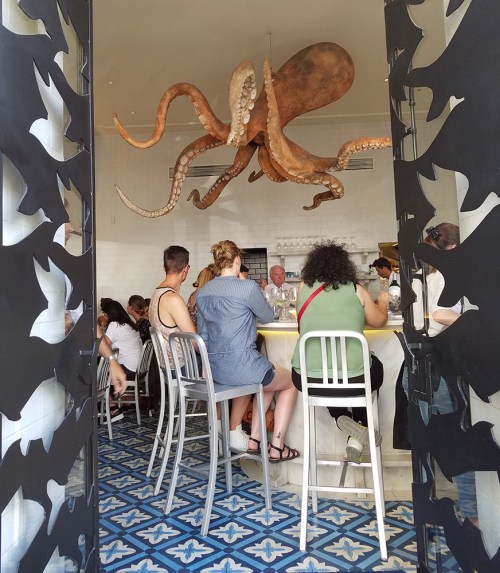
 Would you believe it if I told you there was a pepper unique to Chicago? No, I’m not talking about the ubiquitous sport peppers on a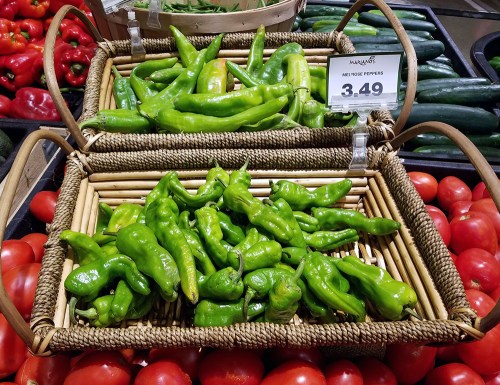
 The call is coming from inside the house! This may be the first time that I have written a post about a place from inside the place itself, so here I am sitting in
  In Scandinavia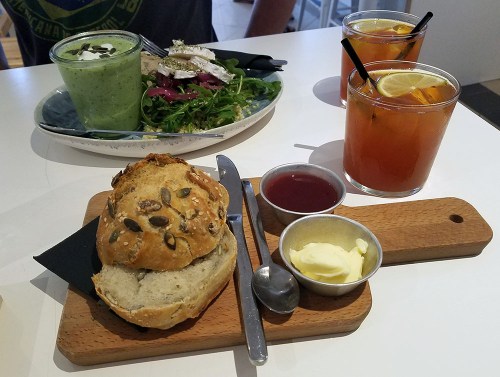


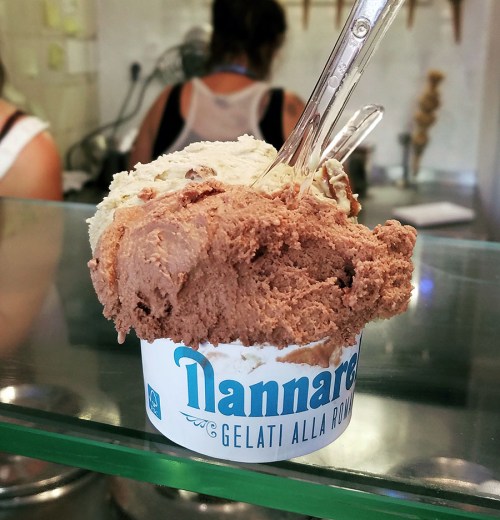
 Crisfama is on a backstreet on the outskirts of Alfama, the medieval quarter of Lisbon. It is a little bit of a trek to get there, but getting off the tourist track when it comes to food is definitely a good thing. The restaurant has only a handful of tables in the simple, clean dining room, so it is absolutely essential to
 In the mood we for seafood, we ordered sea bass, tuna, dourada and the ultimate Portuguese classic, grilled sardines (€8.5 for each seafood plate). Each came with a side of potatoes and green beans, and the sardines came with a side salad. Each fish was cooked perfectly to order, and this was some of the best, freshest fish we have had in Portugal – everything was absolutely delicious. And as you can see, they didn’t skimp on portions. To wash down your meal, each glass of house wine is only €1.
 For dessert there is a refrigerator case with an appealing variety of cakes, tarts and semifreddos. We heard that the chocolate orange semifreddo was sublime – so we ordered two – and it lived up to the hype and was basically the perfect treat for a hot summer day. From start to finish, we enjoyed the attention to detail at Chisfama, and it was definitely the best traditional Portuguese food we have had in Lisbon. With great prices and great quality for classic Portuguese food – you won’t find a better deal in Lisbon.
 Queijinho do Céu (pictured below –
  Cericá / Sericaia (
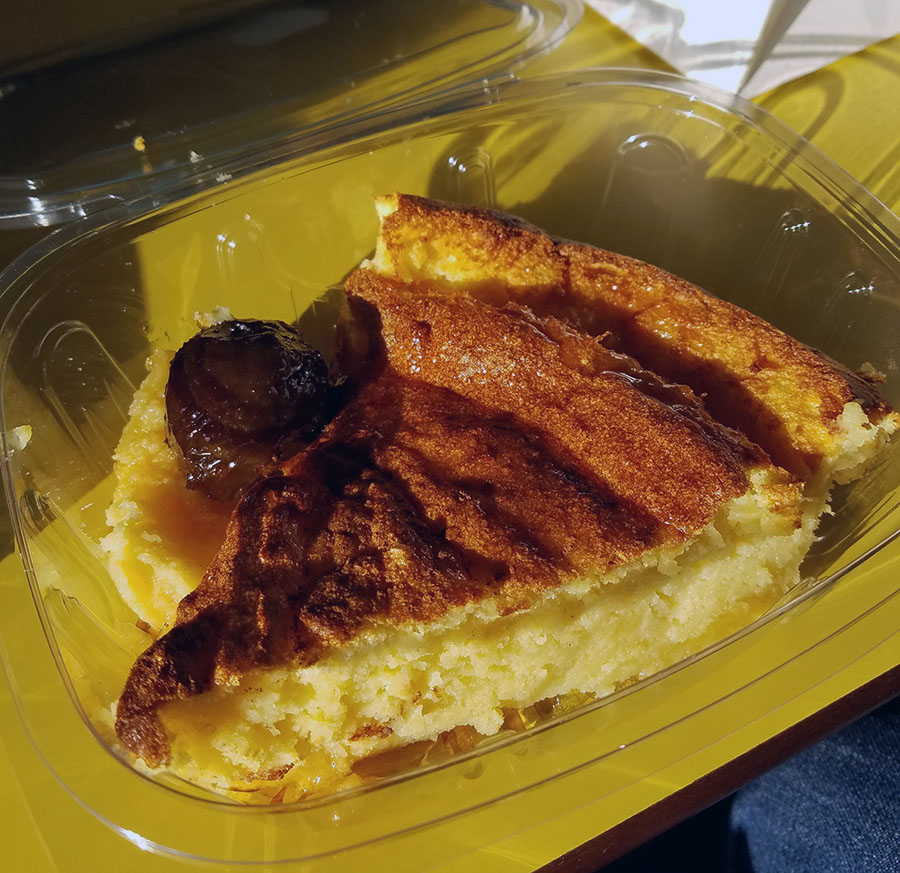 Pão de Rala (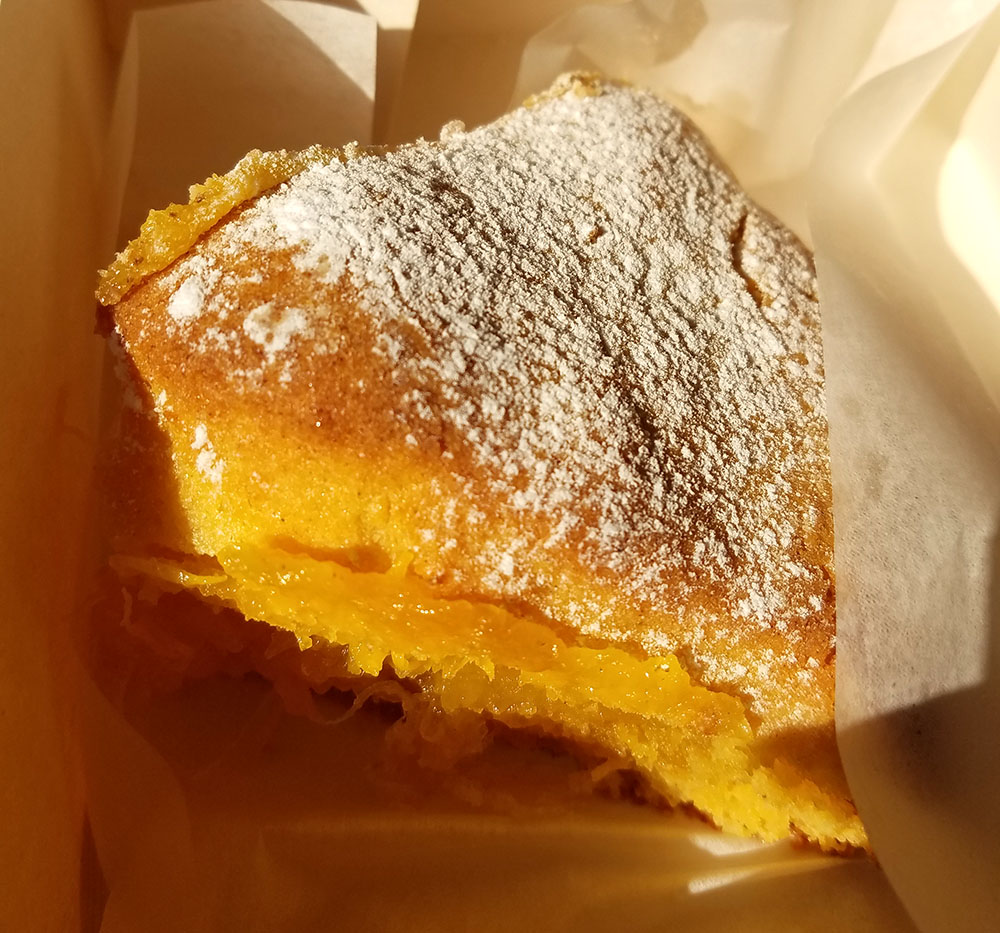
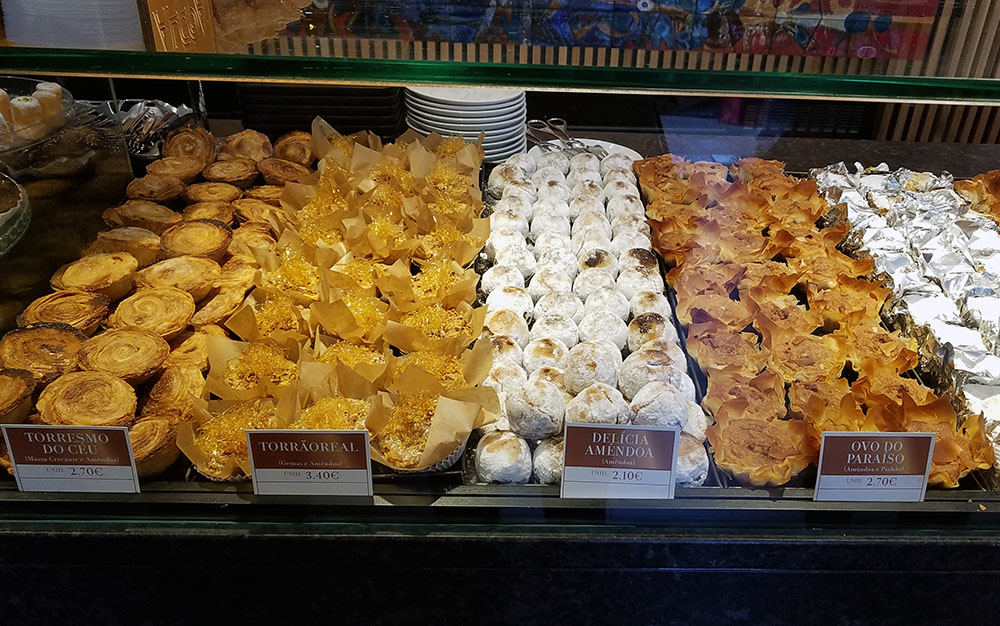


 One of the most interesting things about the Lisbon food scene is the proliferation of restaurants with foods from former Portuguese colonies. Brazilian, Angolan, Cape Verdean and Goan foods and restaurants abound in the city. When we were showing some friends around town, we wanted to find a place that would give them a taste of food from around the Lusophone world. We stumbled upon Mesa Kreol (Arco Portas do Mar, 1100-035 Lisboa). Mesa Kreol gives you that around-the-world trip by offering only the most iconic dishes from several former Portuguese colonies, all with a contemporary twist.
 Mesa Kreol is located at the foot of Alfama, the old quarter of Lisbon, which is perhaps more known for its fado music and small restaurants serving grilled fish. The restaurant is clean in tidy, and only foreigners were eating at the absurdly early hour of 7 PM (like 4 PM in the US), though the restaurants seems to be popular with a mix of locals and visitors alike. The menu was brief, and was divided into starters, meat and fish. For starters we had to sample the strawberry gazpacho, not traditional at all, but spicy, delicious and refreshing. Other starter options included an octopus escabeche or linguiça sausage with goat cheese. For mains we went with the more traditional dishes, Moamba from Angola, Caldo de Mancarra from Guinea-Bissau and Brazilian shrimp Moqueca. Other national dishes included the cachupa bean stew from Cape Verde. Less traditional offerings included the tuna steak, Mozambican shrimp, and a Moroccan tajine.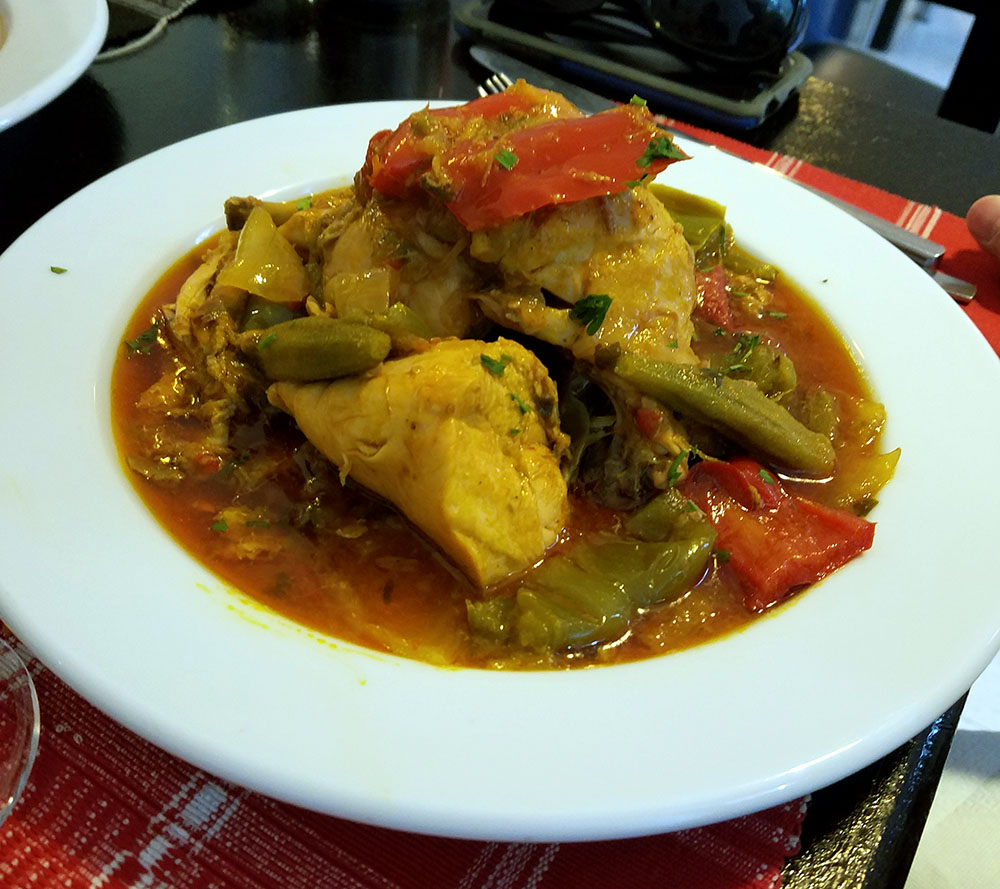

 On our recent visit we stayed in the charming Barcelona neighborhood of
 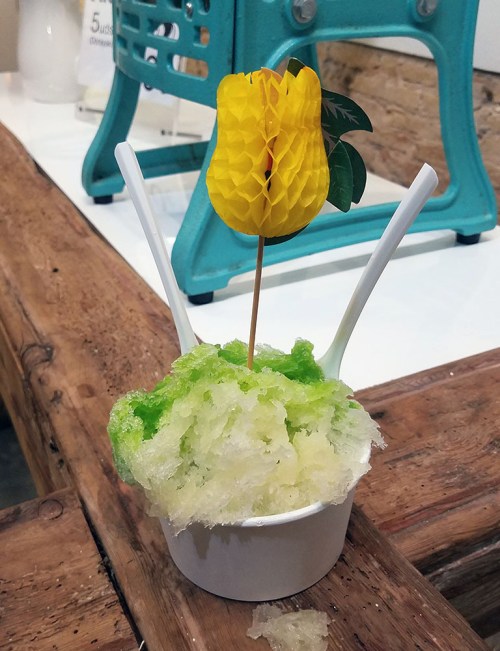 True to Japanese Kakigori style, the ice was shaved off a rotating cylinder by hand –

 Though cookouts in Portugal usually include fish, if you are planning to do an American-style 4th of July cookout, most fresh meats, fruits and veggies should be readily available. However, we have also found a resource to get the esoteric-to-Portugal ingredients you may need – the “American store.” Yes in Portugal, there is a such a thing as an American store –
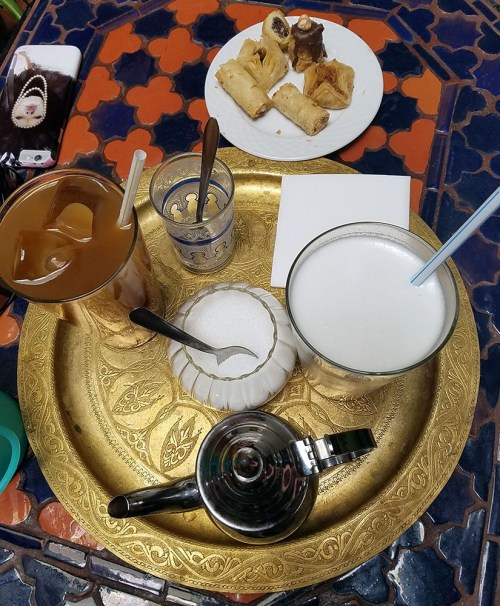
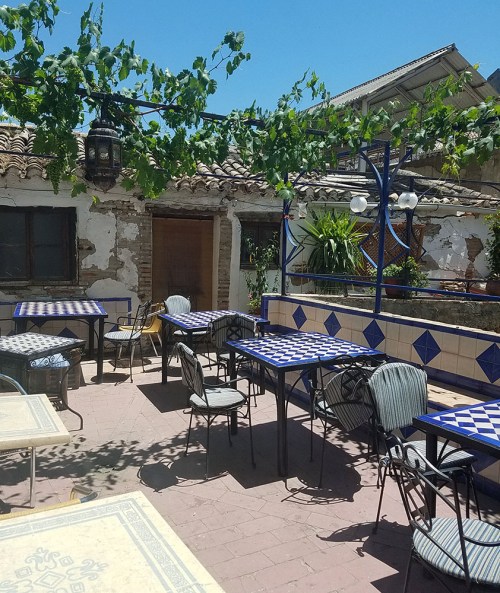
 When we went to Spain we were expecting to get our fill of tapas, but one thing we were not expecting were the proliferation of tea salons! We are major tea lovers here at ETW, so we were delighted to learn about a genre of tea rooms found only in Andalusia:


 Today, May 22, is Victoria Day, a holiday to
 When we first saw a picture of





 Eating The World