Tag Archives: Jollof

Experience Togolese Flavors at Mé Lon Togo in Rockland, Maine

One of the last places you might expect to find a restaurant with cuisine from the small west African nation of Togo is in coastal Maine, but sure enough, that is where you will find Mé Lon Togo (10 Leland Street, Rockland, Maine). The restaurant – whose name translates to “I Love Togo” – is run by a percussionist from Togo who teaches music at Colby College (roughly 1.5 hours away), Jordan Benissan, explaining its somewhat perplexing location. Mé Lon Togo restaurant is set up in an old colonial house, and the restaurant fits neatly into the warren of rooms on the first floor. While we were there, there was even live musical entertainment, contributing to the warm atmosphere within.

Mé Lon Togo offers only a prix fixe menu ($40 per person) for dinner on Thursday through Sunday. However, this format is not limiting. When we visited, there were a staggering amount of main course options, spanning Togolese cuisine; as well as French dishes (showing the French influence on Tologese cuisine and language) like Duck de Provence, Coq au Vin and Beef Bourguignon; and selections from other parts of Africa: a Moroccan chicken tajine and Ghanaian/Nigerian Jollof Rice. The primary Togolese dishes on the menu are designated by the name Dessi: Fetri Dessi, Deku Dessi, Gusi Dessi (similar to Egusi stew, made with melon seeds), and Azi Dessi. There are options for all tastes, including a vegan option in the signature Mi Lon Togo stew with mushrooms, plantains, and eggplant. The restaurant also features a bar with a range of signature cocktails, beer, and even tea.
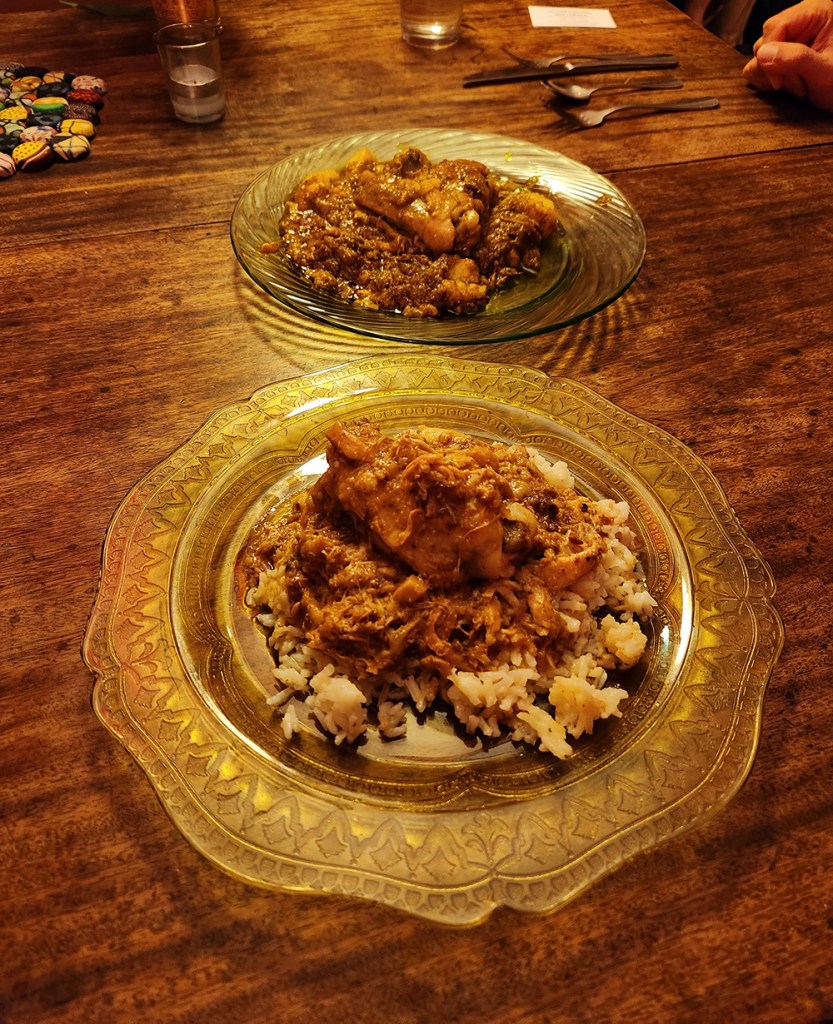
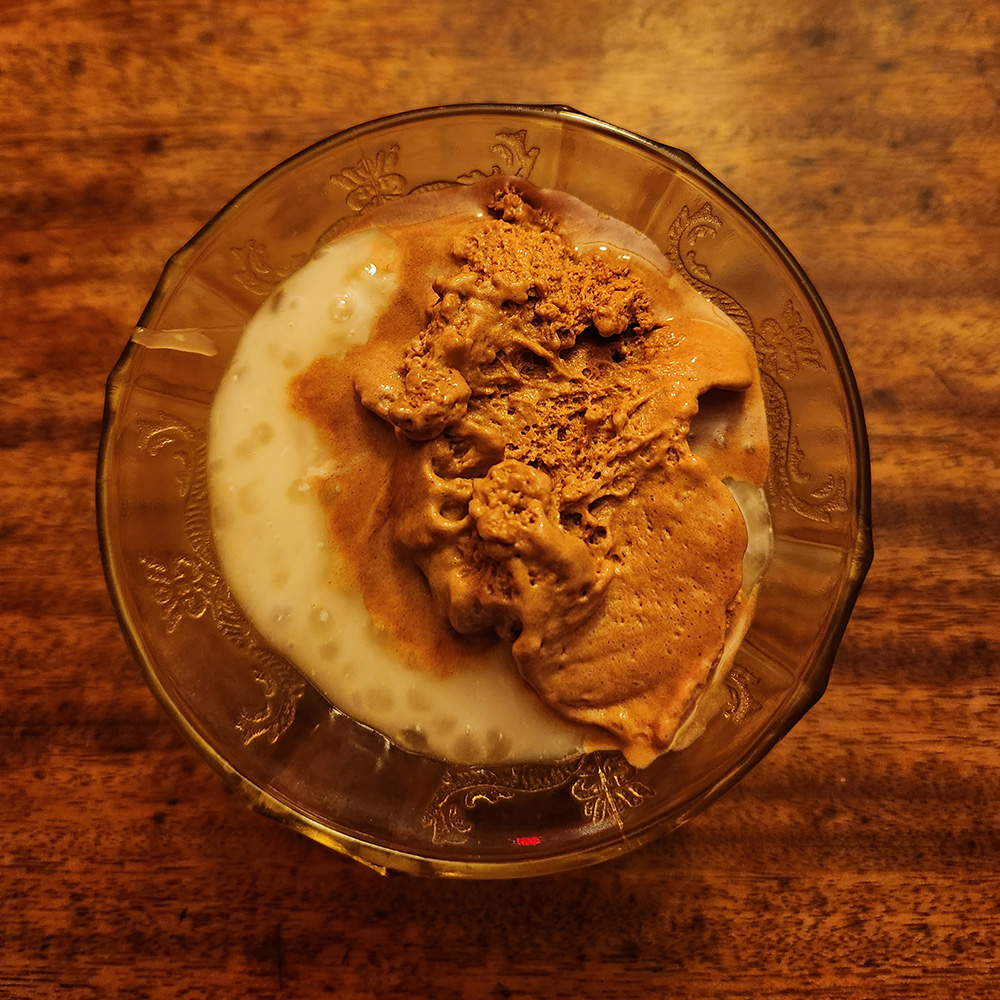
For appetizers, there were 2 options on the prix fixe menu when we visited: Dje te & Amada, a sweet potato and plantain dish with a tomato, onion and apple cider vinegar sauce, and gari fotu, manioc grits with egg and shrimp in a tomato sauce. You also got a small garden salad with each meal. For mains, we ordered the Azi Dessi and the Deku Dessi. The Azi Dessi was chicken in a peanut and tomato sauce, reminiscent of some of the other West African peanut stews we have had in the past, with notes of garlic, ginger, and a peppery kick. The Deku Dessi was your choice of protein (beef/chicken/eggplant) in a red palm oil sauce with West African spices. For dessert, the day’s option was tapioca pudding with a subtle lemongrass broth and your choice of vanilla or chocolate ice cream. The Azi Dessi was a particular standout, and we scrambled to sop up every morsel of the comforting peanut sauce. Each of these dishes was delicious, and we admired the way the chef let all of the individual flavors shine, without being overpowering.
The meal unfolded at a leisurely pace, and the portions sizes were good, but not overwhelming, which really allowed you to sample each course. Perhaps the most important secret ingredient contributing to the Mé Lon Togo experience was the atmosphere. The restaurant’s setting in a historic home only amplified the convivial family atmosphere, supported by friendly servers and staff. Everyone was talking and laughing like old friends, and you can tell that many people dining that night were restaurant regulars. We highly recommend Mé Lon Togo for those looking to sample West African cuisine for the first time, or those tiring a bit of traditional seafood options in New England, they will surely welcome you with open arms!

Leave a comment

Filed under Reviews

How to make Yewande Komolafe’s Nigerian Jollof Rice

Jollof rice is one of the most famous dishes in West Africa, and famously, each country thinks their take on the dish is is the best. Jollof rice is made with garlic, ginger, onions and habanero / scotch bonnet peppers (you can customize the heat levels), and it often accompanies roasted meat or fish dishes, and sides like fried plantains. It is considered one of the national dishes of Nigeria, and it is to that country to which we turn today for our Jollof rice journey.

Yewande Komolafe is a NYC-based chef who was raised in Lagos, Nigeria. She previously shared her 10 Essential Nigerian recipes with the New York Times, one of which being Jollof rice. We have enjoyed Jollof rice many times in restaurants, but never tried to make it ourselves. However, after watching Yewande Komolafe’s video, we knew we had to take the plunge. Her Jollof rice recipe [here] was easy to follow, and we even had most of the necessary ingredients on hand already. One note: the recipe calls for parboiled rice, and if you are just using regular rice, you will want to add more liquid than the recipe calls for in order to properly cook the rice. The end result was delicious: hearty, spiced and spicy, thanks to the scotch bonnet. As she says in the video, this would make a great meal for a crowd alongside other hearty Nigerian recipes. We served our Jollof Rice with chicken thighs roasted in Obe Ata (which is the same taste profile as the Jollof Rice) and fried plantains.

1 Comment

Filed under Reviews

The National Dish of Nigeria: Jollof Rice (or is it Egusi Soup?)

Nigeria is competing for the first time this year in the 2018 PyeongChang Winter Olympics, with a bobsled team composed of Nigerian-Americans. Though bobsledding may not get a lot of press in Nigeria, we wanted to highlight this country and its food. So what is the most representative Nigerian national dish? A poll conducted this year by Pulse Magazine had readers selecting Jollof rice, whereas a poll done previously by CNN had them selecting Egusi soup. Well, we are definitely not informed enough to weigh in, so we figured we’d highlight each of these national dish rivals.

Jollof Rice by Joan Nova

Jollof rice is a rice-based dish made with tomatoes, tomato paste, onions, hot peppers and spices, usually served with some kind of protein. Popular throughout West Africa, the recipe for Jollof Rice varies wildly depending on where you are. And of course, each country thinks that they have the best Jollof rice, and it has inspired years of heated debate (and even a rap song).  In Nigeria, the dish is also typically accompanies by fried plantains and moin moin, a spicy side made from black eyed peas. You can find recipes for Jollof rice from All Nigerian Recipes, Sisi Jemimah and Ev’s Eats.

Goat Egusi with fufu by HC

Egusi soup doesn’t have as wide of a range in Africa, and is made from the ground seeds of Egusi melon, palm oil, dried fish, and leafy greens (in many cases bitterleaf). Unlike Jollof rice, Egusi may be a little harder to find, unless you live by a Nigerian market, but thank goodness for the internet. Egusi soup is usually served with fufu (boiled and pounded cassava) that helps sop up the soup. You can find recipes for Egusi soup at Demand Africa, All Nigerian Recipes, and All Nigerian Foods. Though we have tried both of these dishes, our hearts are with Jollof rice, one of our favorite West African dishes, yum! Of course, Nigerian cuisine is is full of delicious dishes, so don’t stop with just these two.

5 Comments

Filed under World Eats