 Restaurant Magnus
120 E Wilson
Madison, WI
 On May 31, I walked up to the door of Restaurant Magnus in Madison, hoping to sample some of my favorites from its South American-inspired menu before the restaurant’s dramatic shift the next day (signaled by the Norwegian flag fluttering over the canopy). It was locked. An employee eating outside quickly walked up to me, saying – with a wide smile – that the restaurant was closed to the evening to prepare for their exciting new menu the next day. But all the dishes I wanted were on the old menu, and when Magnus got rid of them on June 1, both L and I were disappointed and frankly a little angry.
We’ve had great experiences at Magnus before – in fact, it is L’s official birthday place. The funky interior always got things rolling: live soft bossa nova or Spanish guitar music playing in the background formed a strange, but ultimately satisfying romance with deer antler chandeliers and brown leather seats. But as always, we come for the food. We start with an order of chimichurri ($3.00) paired with light and fluffy foccacia (the tomato-flavored was our favorite). The chimichurri was unlike any we had seen: parsley, red wine vinegar, coriander, and honey made for a creamy dip that was nothing short of the perfect appetizer.
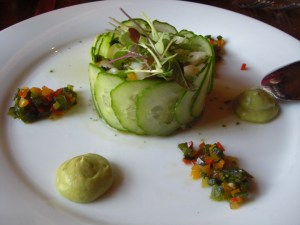 For main dishes, we tended to migrate toward the ever-changing tapas menu, but there were some old favorites that kept bringing us back (and Magnus knew it, because they kept putting them on. The Peruvian bay scallop ceviche ($12) was an interesting take on an old classic, with diced scallops placed in a makeshift bowl of cucumber slices, garnished with minced mixed sweet peppers, avocado, and drizzled with mango-habanero (M’s favorite combo) vinaigrette. It was smaller than similarly priced ceviches but the inventiveness was worth it.
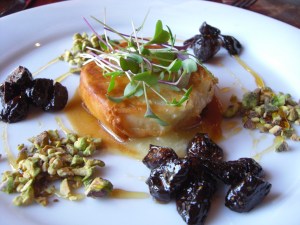
Same with the Cana de Oveja ($14). Spanish cheese in phyllo dough, garnished with figs (another of M’s favorites), pistachios (OK, so that was a bit confusing), sherry butter sauce, and habanero syrup. This is a dish we didn’t really know how to classify, most because the multitude of flavor options on any given bite always kept us guessing – and that is what made it good.
 And then there was the Xinxim. Take a Brazilian staple and create the hell out of it, and you get Magnus’ Xinxim. It sounds simple enough on the menu: chorizo verde, blackened chicken, blackened beef all in a bowl, sitting in a special cream sauce of habanero and coconut milk and cashews. But this seemingly simple dish was, unquestionably, my favorite meal of all time. The coconut milk worked to take down the habanero’s heat enough to let its fruity tropical flavor beam through, and combined with the cashews, the effect was deliriously perfect. The chorizo was always spiced to perfection, and the chicken, beef, and shrimp provided a wide set of texture and flavor options that always worked in tandem with what I am sure will remain the best cream sauce I have ever eaten.
There were others, of course: cheese plates, small desserts, etc. too numerous to name here. But the bottom line is that they are all now gone. Replaced with cod, venison and the other staples of Norwegian cuisine that, to us, make obvious the reasons why no Scandinavian restaurant has ever really succeeded in this most Scandinavian of states. We understand the reason for the change, at least on a cultural level. The restaurant’s sous chef – of Norwegian descent – was promoted to the head spot (and there is a now a triumphant photo of him planting the Norwegian flag on the restaurant’s redesigned website). All the owners are Norwegian. The restaurant is even named for a Norwegian grandfather. But culinary, we can’t say this move makes any sense. 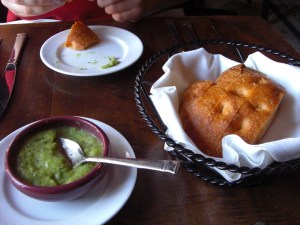 Scandinavian restaurants have had a tough time of it in this country, and Wisconsin would seem like a logical place to start one if, well, Scandinavian food had ever succeeded here before.
The chimichurri is still on the menu, though hiked in price by a dollar and paired with rye bread instead of foccacia. Will we try the new menu? Probably. We got an email coupon for a free first course. But aquavit mussels and pickled cabbage not only sound less than appealing – they will never replace that xinxim. All we can say is they had better give us the recipe.


 So we usually don’t review books around here. Probably because we’re so busy reading books for school that the concept of leisure reading falls to the wayside. In any case,
 Inka Heritage [Closed]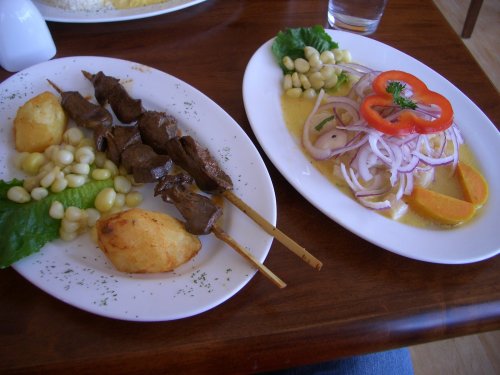
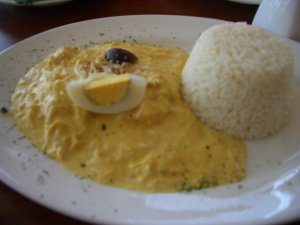 Inka Heritage does all these things, and does them well. The anticuchos are true to the original dish, using the best pieces of beef heart muscle (some other restaurants keep the anticuchos marinade but substitute white meat chicken for the beef hearts, which is not only inauthentic but culinary highway robbery) with a slightly spicy, tangy marinade that works well with the ají on the side. The ceviche too is solid, with the right citrus juice mixtures we’ve come to expect – though the very high onions to fish ratio, as well as the smaller serving size, makes us wonder why the price is higher than what we found at
 We’re not going to lie, we are drawn to nice food
  Sahara Kabob
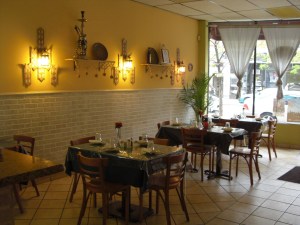 We should have realized what we were in for when the reviews on Yelp said “humongous portions.” Not heeding their advice and logically thinking two dinner portions would be just enough for two hungry people, we set about making our menu choices. It was a busy night, so we opted for carry-out. The Combo Plate seemed like a good option, with helpings of chicken and kefta (ground beef and lamb) kabob and chicken shawirma served on white rice (my choice over couscous) with small sides of grilled and pickled veggies. Turns out it also comes with a soup – I picked douckua, a thick concoction of meat and barley in yogurt sauce. L went with the vegetarian route, picking the falafel plate (it comes with eight pieces) over couscous with lentil soup on the side. We added in a small appetizer of boorek, meaty egg rolls with chili dipping sauce, and figured we had enough for dinner.
 non-American food. When our food came out, we were shocked by how much we were getting. Two completely full take-out boxes, two full bowls of soup, plus the bowl of couscous, the boorek, and a small assortment of complimentary dipping sauces. All for $20. As she wrapped up our order, the server asked if we liked baklava. We gave a hesitant yes, thinking she would push us to buy some, but were surprised when she plopped a free serving right into our bag. At this point, we knew we had ordered way too much food. But was it way too much good food?
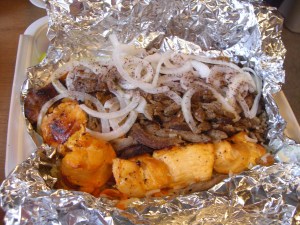 tle disappointing, tinged with almost a Ms. Grass-like flavor, but the rest of the meal was a home run. My combo plate was solid all the way around from shawirma to the kabobs, with solid cuts of beef, lamb, and chicken all grilled to perfection. L’s falafel was solid as well, easily compared to other excellent falafels we have had in the past.
 The
The
 Yes, we are aware that French Indochina does not exist. However, Le Colonial does its best to channel a romantic fin-de-siècle Vietnamese atmosphere with elegant decor and potted palms. We enjoyed a very continental 9 o’clock dinner, which was too dark for a good ambiance shot – so here’s a photo from the restaurant’s website. The menu itself is a fusion of Vietnamese dishes with some French flavors and techniques.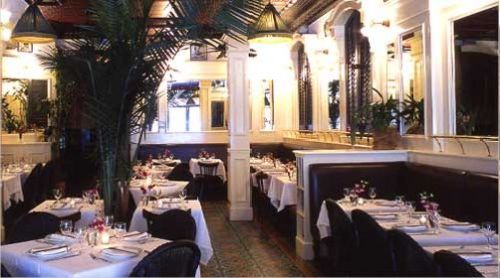



 Bangkok Cafe


 Wow – here’s something that’s fun and pretty useful: Evil Mad Scientist’s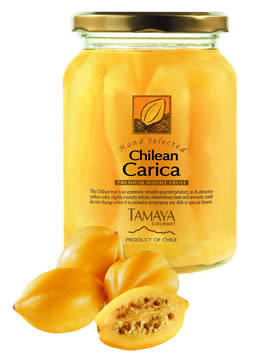
 I’m always intrigued by new dishes, but it’s not often I encounter an entirely new fruit. So when I saw something called a


 Eating The World