
Unsurprisingly, our favorite thing about traveling is the FOOD, and we try to learn a bit about the local cuisine before we visit a place. You may be surprised that up until now we have never taken a food tour. When we learned about the first food tour in Cairo, given by Bellies en Route, it sounded like the perfect food tour for us. Bellies en Route is curated and run by Egyptians Mariam “Mia” Nezar and Laila Hassaballa. They are experts in the Cairo food scene and picked out the perfect eats for first time visitors, exposing you to the vast variety of classic Egyptian foods. And as you may have guessed since we are not Arabic-speakers, the tour is given in English.

We met Mia in Tahrir Square in the heart of downtown Cairo at 4 PM to start off our walking tour of downtown Cairo foods. Mia and Laila have throughly vetted all of the stops on the tour both for tastiness and consistency so you know you will be in for a treat, taking out all of the guesswork in a new city. Our host Mia, a born and bred Cairene, was also extremely knowledgable about the history of Cairo and its cuisine. We really appreciated the extra historical context and insight she provided throughout the tour.

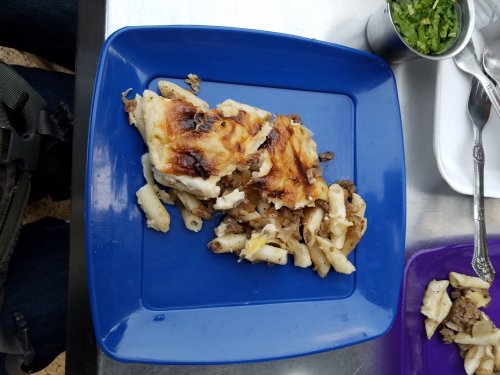
Our first stop was for some classic Egyptian home cooking. Our amuse-bouche was salad water (Muyyet Salata) a vinegary drink in a shotglass proportion with garlic, lemon and dill meant to whet the appetite. Our next sample was macarona bechamel, a tasty baked pasta dish with meat and a cream sauce (with extra tomato sauce on the side) that is popular at home but rarely seen out in restaurants. Without the tour I am sure we would never have gotten to try it. Think of it as kind of a cousin of tomatoless Greek pastizio.
Another new-to-us specialty the Bellies unearthed at a historic coffee roaster was Arabic-style coffee which is light in color, and nothing like the thick, potent Turkish coffee you may be expecting. This conconction is served unsweetened with cardamom, and tastes akin to a green tea. You definitely have to try it for yourself!

Next we were off to a juice bar to sample some fresh Egyptian juices, something the country is particularly known for. We sampled karkade, a popular drink made from a flower similar to hibiscus (and the Mexican agua fresca Jamaica), sugarcane juice, and Sobia, a rice and coconut water similar to Mexican drink horchata without the cinnamon. I find it interesting how there are so many analogues between Mexican and Egyptian drinks. It was particularly fun to watch the raw sugarcane stalks pressed through the machine to make the juice, and surprisingly it was not too sweet. Of course, in Egypt, the king of all juices is Mango. Egypt grows dozens of varieties of mangos and their in-season time is hotly anticipated. Sometimes it is impossible to know which juice bar is good (or clean enough) so we felt grateful for the Bellies’ guidance.
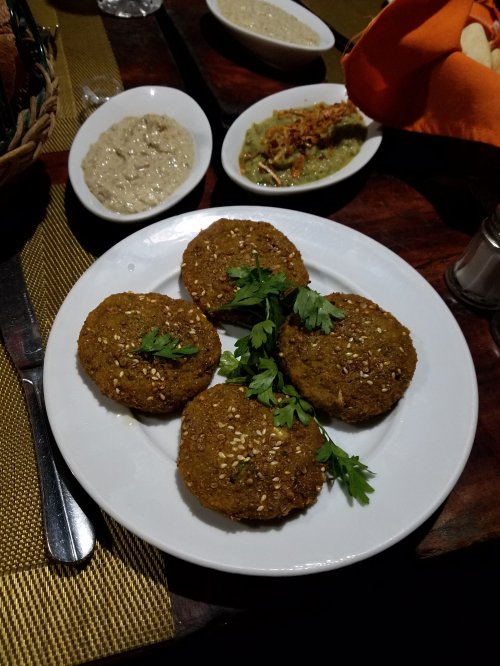
We also visited a well-known classic restaurant for Egyptian comfort foods, Felfela, which is actually built into an alleyway and is particularly atmospheric (seen above). After that we visited a hole-in-the-wall homestyle Egyptian restaurant tucked into a nondescript storefront in downtown Cairo that we can assure you could never find on your own. At these two restaurants we sampled heartier Egyptian fare including Egyptian falafel (made of fava beans instead of chickpeas as it is in many other places), a parade of mezze, and the polarizing Egyptian soup molokiah (dark green soup seen below).
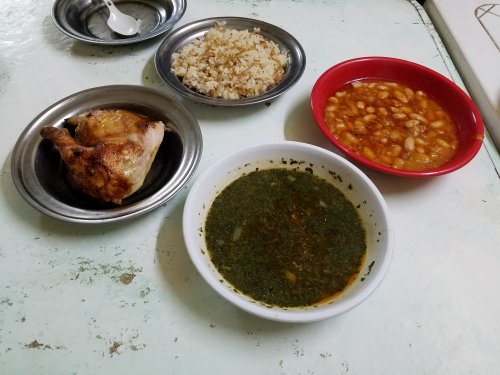
Molokiah is made of jute leaves cooked in a chicken (or other type of) stock, and has a very unusual texture. The plant leaves, which are somewhat akin to kale or collard greens, have a viscous okra-like texture when cooked. The dish is a love-it or hate-it thing and we personally fall into the pro-molokiah camp. Mia also showed us how to sop up the molokiah with pieces of the baladi bread made into the shape of a “cats ear” (same deal as an Italian scarpetta).

By this point we were getting pretty full, even though most of what we had been tasting was the sample portion size, but we pressed on, eager to sample more! As our last savory item, we visited a place for koshary that came recommended over the more famous Abu Tarek. You have to attend the tour to find out where! We have written about koshary (and our affinity for it) a few times before and it is a must-try for any visitor to Egypt. Koshary is a satifying mix of lentils, chickpeas, various shapes of pasta, fried onions and tomato sauce, which you can customize with spicy or garlic sauces.

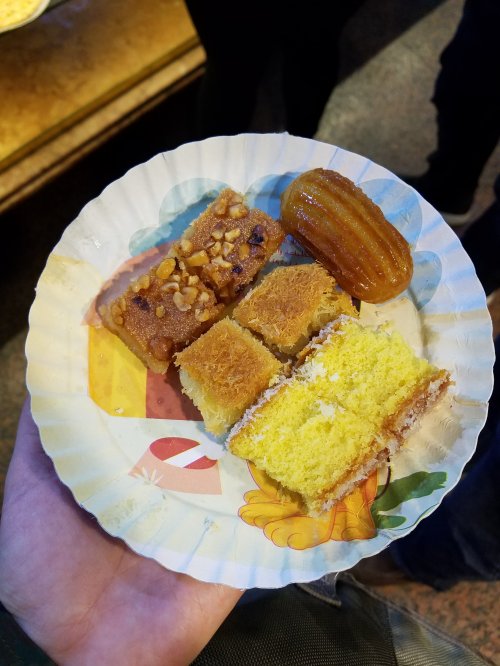
And there were even more surprises in store, but you have to attend the tour yourself to find out. We are grateful to the Bellies for showing us a different, more local side to the Cairo food scene. If you are new to Cairo and want an on-the-ground food tour featuring food that the local Cairenes actually eat themselves, we couldn’t recommend Bellies en Route more. Our only major advice is: come to the tour hungry!


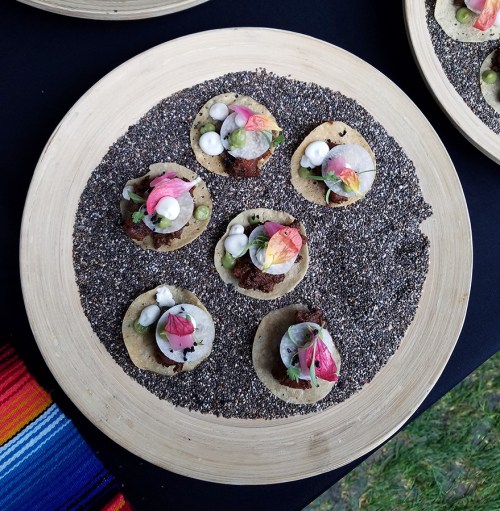






 In 2018, the Mid-Autumn festival in China falls from September 24-26. One of the most traditional treats for
 When we heard that there was a new African restaurant in NYC with a chef from Mauritania, our ears perked up. The restaurant is the brainchild of chef Diana Tandia, who is originally from Mauritania, but has worked in upscale restaurants around NYC for decades. She decided that it was time to
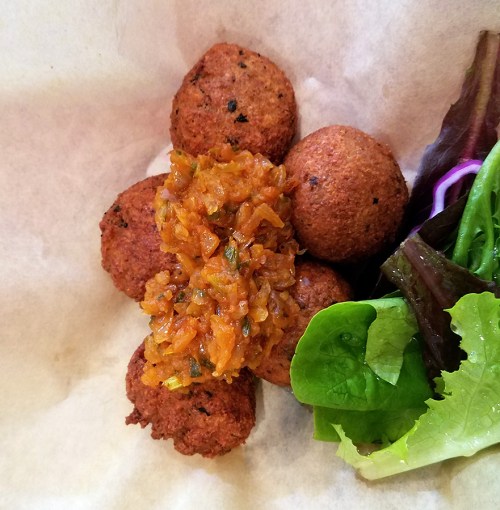
 The mains were a little more pricey, and covered the greats hits of the region, including Djolof Fried Rice (which is
 There has always been controversy over the meaning of the word “barbecue” – some people use it interchangeably with “cookout” – grilling burgers or other meats in the backyard, while purists would argue that “barbecue” only actually applies to meats cooked low and slow in a smoker. Barbecue gets even more complicated when you factor in usage in other countries. In South Africa, barbecue – in all senses of the word – is called


 One of our favorite places in Brazil was the 24-hour bakery, ubiquitous in São Paulo. This tends to be somewhat more of a rarity in the US since I guess Americans do not have urgent sweet-tooth cravings, instead opting for

 We love hearing about treats that are a result of cross-national food pollination. One of the most fascinating examples of this is the
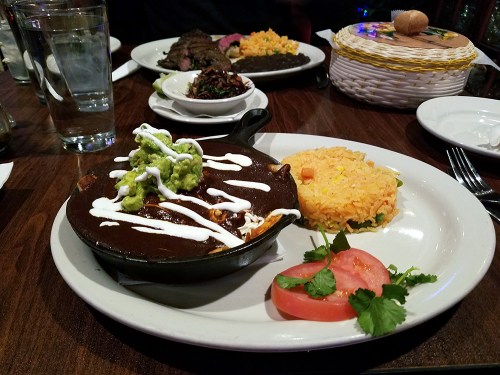

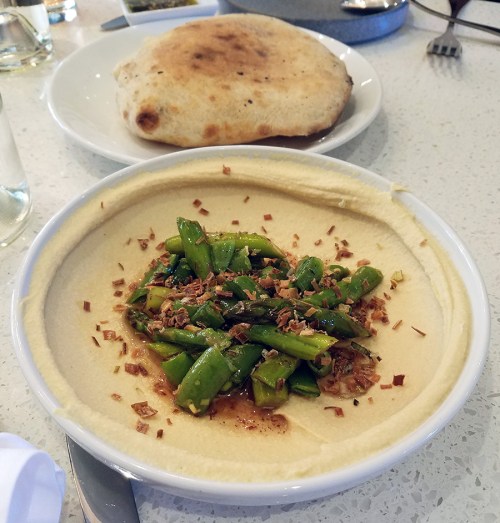




 Why are things so quiet around here? We moved! We are back in Chicago for a year, which means more foodie adventures, and hopefully more regular updates to this page…. In lieu of a major update, I wanted to share an interesting site that readers of this site may enjoy: a Taste of South Sudan.
  Sorry for the long absence… I meant to post this at the beginning of Ramadan, which was May 15. So, clearly this post is a bit late, but fortunately I managed to write this post before the end of Ramadan, this upcoming Thursday, June 14. One of the most important parts of Ramadan is the nightly Iftar, or breaking of the day’s fast after sunset. We of course have an eye to the sweet, so we decided to share one of our favorite Ramadan desserts, which is enjoyed throughout the former territories of the Ottoman Empire,


 We recently attended the end-of-the-year gala for the local college’s African Student Association, which was a delightful banquet full of delicious dishes from all around Africa: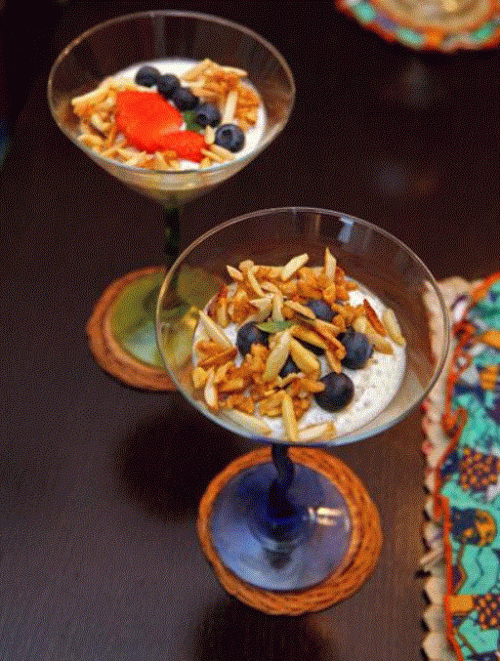
 LJ Shanghai is located in AsiaTown, in a small, unassuming storefront. The inside is modern and bright, and you will know you are in the right place when you are greeted by the little dumpling mascots on the front window. The menu is at LJ Shanghai is relatively small, and we appreciate the curation because we are easily overwhelmed by long menus. Each menu item also has an included photo, which proved to be super helpful. You can start out with lighter bites like the the steamed pork buns ($5) or the garlic and cucumber. There are also hearty entrees like steamed chicken ($15) Braised duck with soy sauce ($10) and sweet and sour ribs ($10).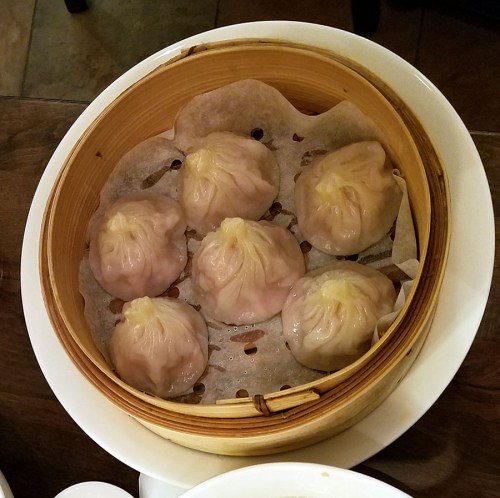





 Dyngus Day, celebrated every year on Easter Monday, is something of a


 Eating The World