Tag Archives: cassava

Discover Kalinago Culture Through Dominica’s Traditional Foods

Our most intriguing food finds was in Kalinago Territory on the east coast of the Caribbean island nation of Dominica. We visited Dominica due to a bit of luck and happenstance over New Year’s 2026, and we are excited to report that Dominica is in fact the last country we had to eat in the Americas. Before traveling there, we knew little about the understated island nation of just 70,000. But we can truthfully say that we absolutely loved Dominica and hope to publish a few posts on its unique food culture in the near future. Dominica is unique among Caribbean islands due to the persistence of its native inhabitants, the Kalinago. The Kalinago have their own reserved territory, where they continue to retain and share their cultural traditions. This group was historically known by the derogatory name Caribs (from which the Caribbean gets its name), but they prefer to be called Kalinago. Currently, about 3,000 people live in Kalinago Territory in Dominica.
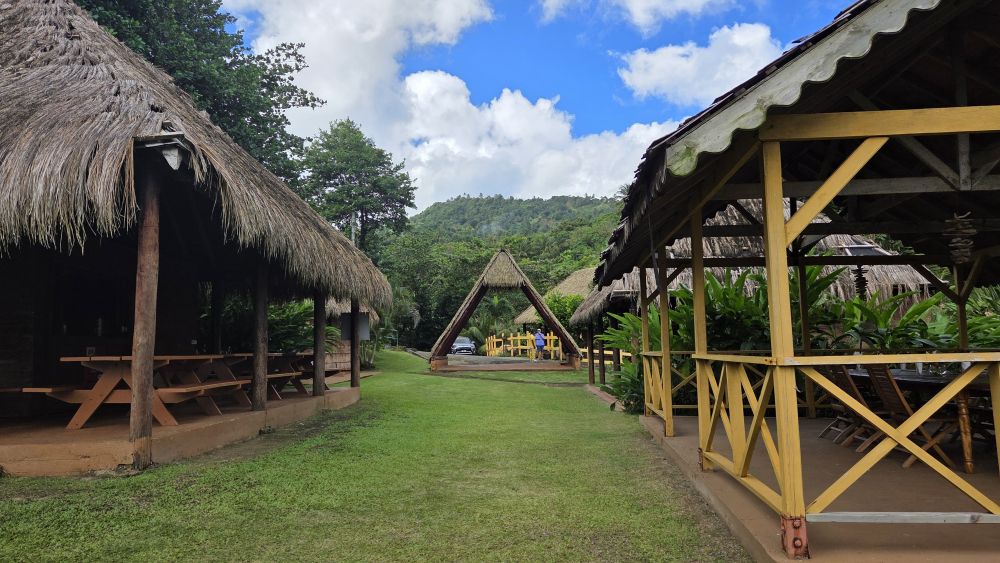
We also learned that there were some indigenous foods and dishes local to Dominica, including cassava bread, that could primarily be found in Kalinago Territory. We had found a few bakeries in the area that claimed to have cassava bread, but one no longer existed and the second was at least closed for the season. We were feeling a bit worried that our quest for cassava bread might be futile. After striking out initially, we visited the cultural center, Kalinago Barana Autê. We had attempted to book a full day or food tour, but it being the holiday season, those were not available. Fortunately, we were able to get a short tour with Austin, a great guide who gave us information about the stunningly gorgeous land and its plants, along with an overview of Kalinago. There was a restaurant and craft shop on site, but no cassava bread to be found.

We asked our helpful guide if he knew of anywhere to get cassava bread, and he pointed us to someone who was passing through and selling just that bread right on the spot, Master Lin. Master Lin had a baking business and happened to be delivering some orders to various people at the cultural center. He was not necessarily always there, so we felt very lucky for this coincidence. Fortunately, he had some extras so we were able to purchase both freshly made cassava bread and ducana. Master Lin says he was known for making ducana for decades, but later branched out into cassava bread. Both of the dishes make use of one of the staple ingredients of the Kalinago, and all Dominicans, cassava (also known as manioc). Root vegetables such as cassava are often known as “provision” in Dominica.
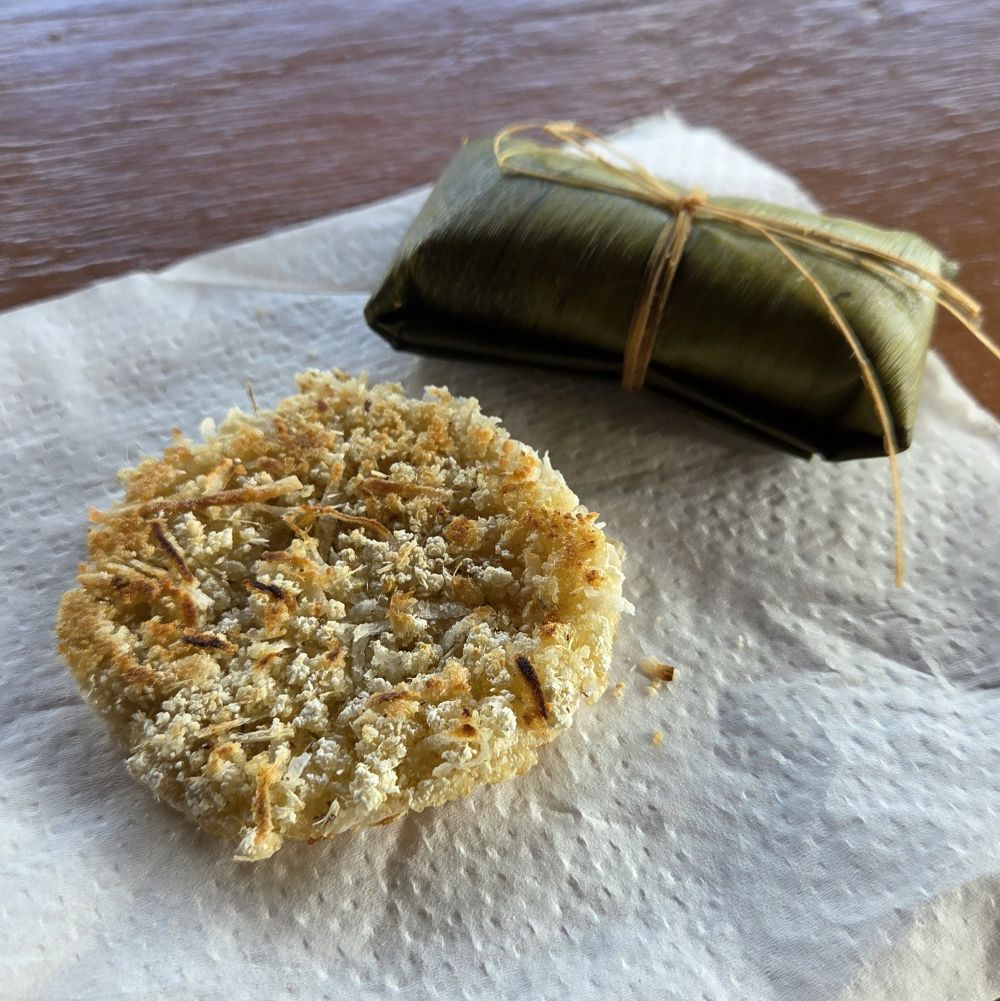
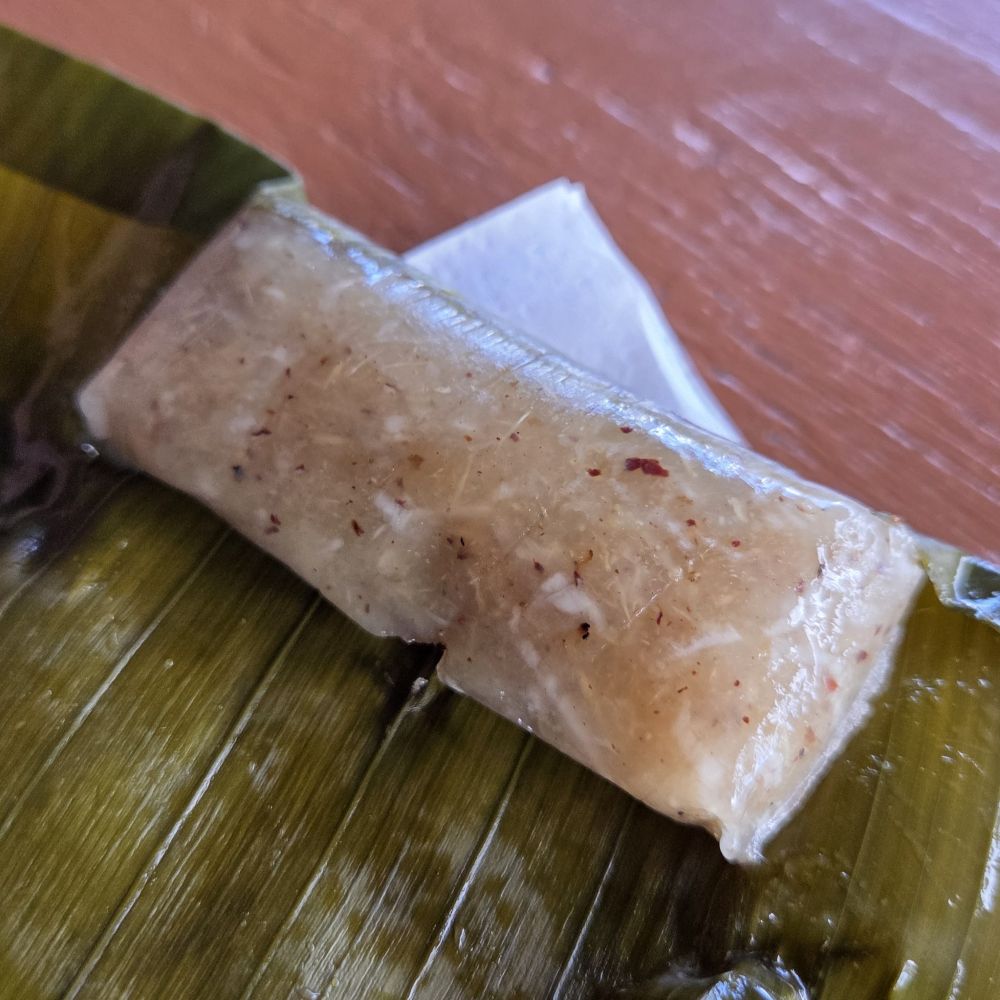
The Ducana/Kenkey consisted of pounded cassava mixed with ginger and honey, wrapped in banana leaves, and then steamed, much like Mexican tamales. This dish resembled other closely-related dishes known throughout the Caribbean by the name of ducana/kenkey, which may also be made with sweet potato. In Dominica it seems that ducana is generally a sweet dessert-like dish, however on other islands I have seen it served as an accompaniment to saltfish. The cassava bread was made with coconut, giving it a slightly sweet flavor with a satisfying, chewy texture. We heartily enjoyed our cassava treats and thanked Master Lin for his food. We were excited to finally sample the authentic flavors of Dominica, marking our 154th country eaten, completing all of the Americas (and it only took 17+ years)!
Leave a comment

Filed under World Eats

Explore Congolese Cuisine at Furahi in Cleveland

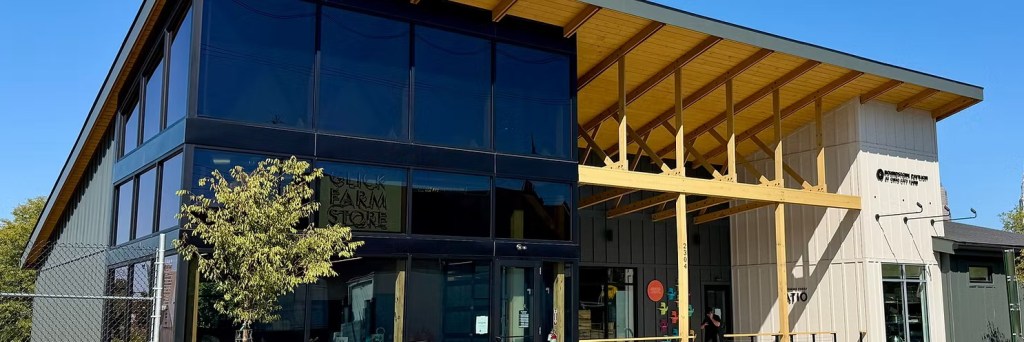
We’re going to end the year on a high note: by acheiving a foodie goal that long eluded us. We first encountered Furahi: A Taste of Home, a Congolese food pop-up in Cleveland, when they were having an event at Mason’s Creamery, a local ice cream store (and sometimes ramen shop), several years ago. However, when we got to that Furahi pop-up, they were sold out! We were so disappointed. Furahi periodically had pop-ups throughout the years since then, but it never worked out for us to attend. So, we were delighted to hear that Furahi now has a semi-permanent home in the Ohio City Farm Stand in Cleveland, near the West Side Market (2304 Bridge Ave, Cleveland, OH 44113).

Photo of the Farm Store from the Ohio City Farm site

Furahi is the brainchild of Esther Ngemba, a chef and entrepreneur who was born in the Democratic Republic of the Congo, and later moved to Cleveland with her family (she is a John Carroll University graduate). Her specialties at Furahi are foods and handicrafts from the DRC. After hosting a series of pop-up around towns, she now offers dinners at the recently-reconstructed Ohio City Farm store and kitchen (official grand opening in 2026). The brand-new farm building is attached to Ohio City Farm, one of the largest urban farms in the country, which is worth a visit in itself. Furahi’s pre-packed juice and food are also available in the farm store if you are visiting outside of dinner hours. However, if you choose to stop by for her pop-up dinners you can either sit and enjoy a plated meal in the airy farmhouse or take your meal to go. We opted to pre-order our meal and eat in, and made a reservation to stop by anytime from 4-9 PM on a Saturday. When we were arrived we were greeted warmly by Esther and took our seats in the dining area.

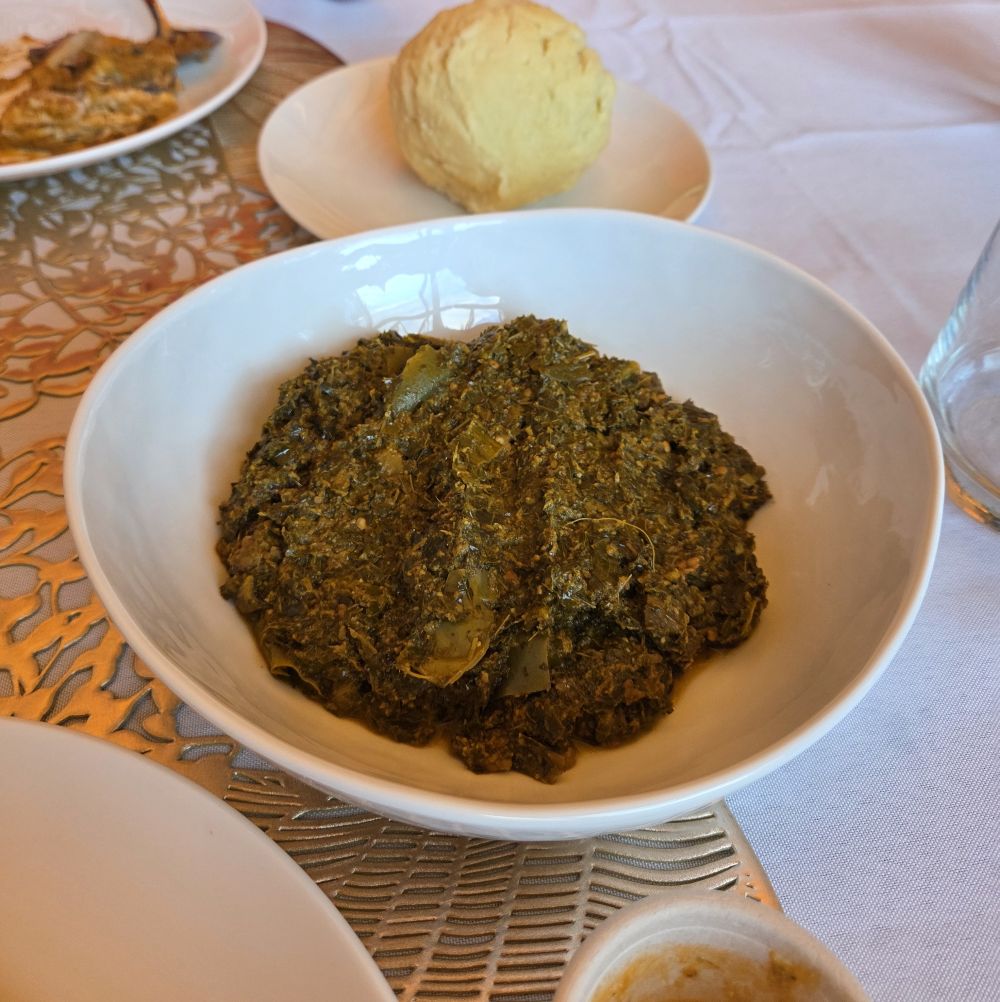
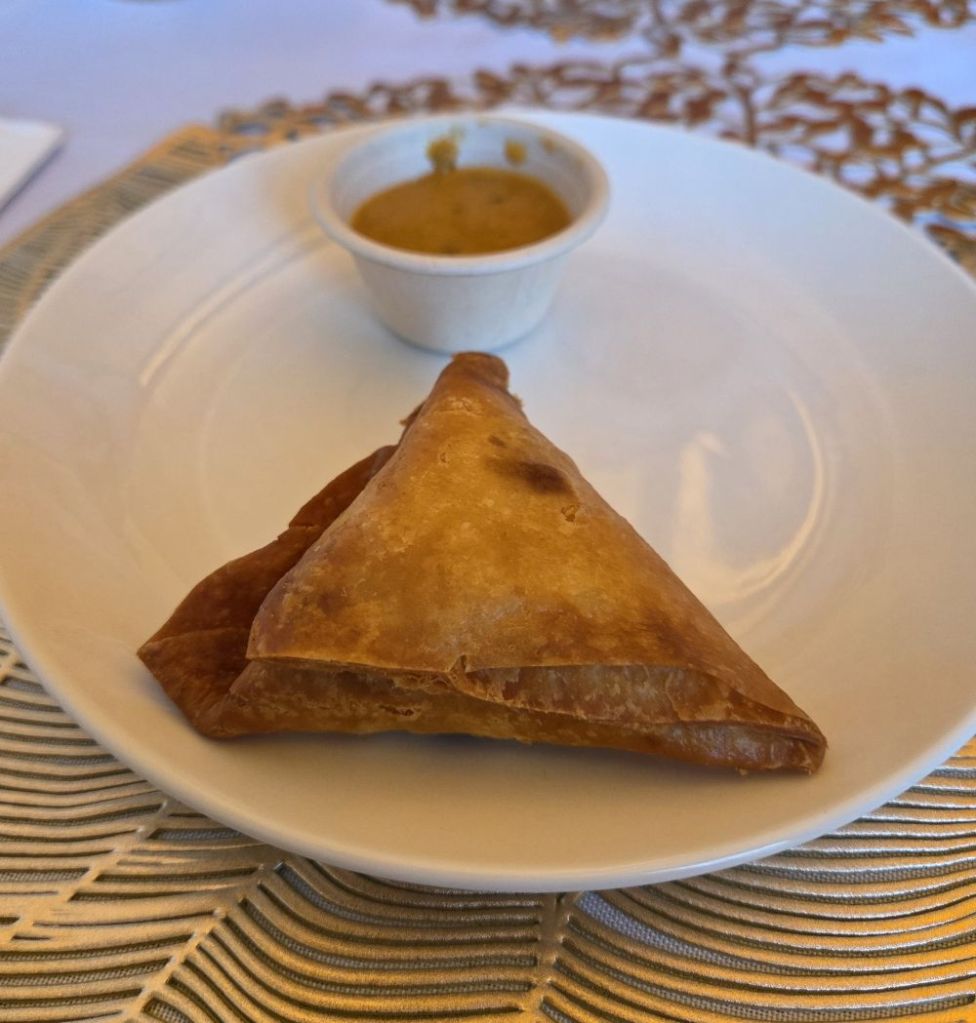
We started off with the sambusas, African cousins of samosas, fried triangular dough wrappers with savory fillings. We got vegetarian, but there is also a meat version. They were delightful and crispy and came with both mild and hot dipping sauces. Other appetizers included fried plaintains and fried cassava. For mains, we got Sombe stew and Goat stew. Sombe is one of the classic dishes of Congolese cuisine, made with pounded cassava leaves, peanuts and palm oil. The goat stew was silky and savory and M particularly liked the addition of the homemade hot sauce. The dish was served alongside a healthy heaping of fufu – pounded cassava – a common accompaniment in Congolese cuisine and other West African cuisines. It serves the same purpose as rice/bread and is perfect for sopping up any sauces and stews. We were absolutely stuffed, but next time we will have to try some of the beignets for dessert.

Other delicious accompaniments to the dinner were the fresh pressed juices. We got the spicy mix of ginger and pineapple, other options included ginger and ginger/lemon. We may pick up a few more bottles of juice from the shop the next time we are in Ohio City. Keep an eye on Furahi’s social media and website for updates on the dinner popups, cooking classes, and other events. She also offers catering and private dining. The pop-up dinner experience was very pleasant and we enjoyed chatting with Esther and hearing about her and her culinary inspiration. We recommend everyone check it out!

Leave a comment

Filed under Reviews

An epic quest for the national dish of Vanuatu: Laplap

Dear ETW readers, we just hit a milestone: country 150! Our 150th country is Vanuatu, which we recently visited with two friends, Aaron and Philip. Little known as a tourist destination for Americans, we all found the South Pacific island nation of Vanuatu to be an unexpected delight. According to our research, the food of Vanuatu is near-impossible to find outside of the country itself, so we suspect the only way to eat its cuisine is to befriend some cooks from Vanuatu or to visit the country itself! Vanuatuan cuisine is a mixture of Melanesian, French, and British influences, reflecting the diverse inhabitants and colonial history of this island nation. Thanks to French influence, today you can even get a great croissant in Port Vila!

However, the holy grail we were seeking was the national dish of Vanuatu: Laplap. Laplap is a mixture of mashed cassava, taro, and yam cooked in banana leaves with coconut milk. Laplap is traditionally cooked in an underground earthen oven (called an umu), and takes hours to prepare and bake. As such, it is mostly now served on only on Sundays, holidays, and special occasions. We scoured restaurants around the capitol city of Port Vila, but none were serving Laplap. Normally, you can find Laplap at the Central Market, however, that had been closed since the recent December 2024 earthquake that hit the Central Business District hard. Fortunately, when we visited in January, the country was well on the road to recovery, and we were urged by our tour company, Vanuatu Ecotours to still come visit, as the country’s economy heavily relies on tourism.

While traveling with Vanuatu Ecotours, we let our tour guide Roy know that we were seeking Laplap, which we had previously contacted the company about. However, logistical issues were making it seem that the Laplap might not actually be possible to acquire. At the 11th hour, our traveling buddy Aaron took special pains to make sure our Laplap dreams were realized through an alternative plan. Thanks to Aaron’s efforts, Roy made absolutely sure that our group got our desired Laplap before our time in Vanuatu ended. He contacted a local cook Eillen in Port Vila, who prepared it for us from scratch (and was paid for her efforts). She was so kind and lovely, she made 2 giant servings of Laplap, one for Roy and one for the 4 of us. She couldn’t have been nicer, and we are forever grateful for her efforts.

The Laplap was wrapped carefully in banana leaves and aluminum foil, and delivered to us in a neat package. We ran into a bit of a conundrum, as we had no where to eat, and had some time to kill before our flight out of Port Vila. So, as a result, we actually ate the Laplap in the international airport terminal! We bought some drinks with the last of our local currency at the coffee shop and the kind staff allowed us to eat at their tables. So, with an assortment of coffees and teas, we carefully unwrapped our Laplap and dug in. We were impressed by all of the layered flavors and the significant amount of work that surely went into preparing this dish. The Laplap was cooked with bone-in chicken, which was tender and flavorsome. The mashed root vegetables were formed into cakes, and were covered with island cabbage leaves (apparently an Efate island touch) and coconut milk, interspersed with the chicken. All of the flavors melded together beautifully, and the dish was more than the sum of its parts. So, our final memory of Vanuatu was enjoying its fabulous national dish with friends. It doesn’t get much better than that in the ETW universe!

Leave a comment

Filed under Reviews