Tag Archives: travel

Unboxing Japan’s Spooky Treats: TokyoTreat Halloween Box

One of the best parts of the arrival of fall is the seasonal treats, particularly when it comes to Halloween. What is your favorite Halloween candy? We always loved picking out the chocolate pieces when going trick-or-treating, and we think our all-time favorite is probably Reese’s Peanut Butter Cups. Though there is nothing like an old classic, we always love to try new-to-us sweet treats, especially from around the world. So, we were like kids in a candy store when we were gifted the October TokyoTreat subscription snack box, packed to the brim with Japanese sweet and savory treats with a spooky Halloween theme. TokyoTreat is like the younger funkier cousin to SakuraCo (which we reviewed in July), providing an assortment of expertly curated Japanese snacks each month for subscribers. Each month also has a theme, and if you missed one you like, you can also purchase a one-off previously-released box. The Halloween box we received can be ordered until 10/15.

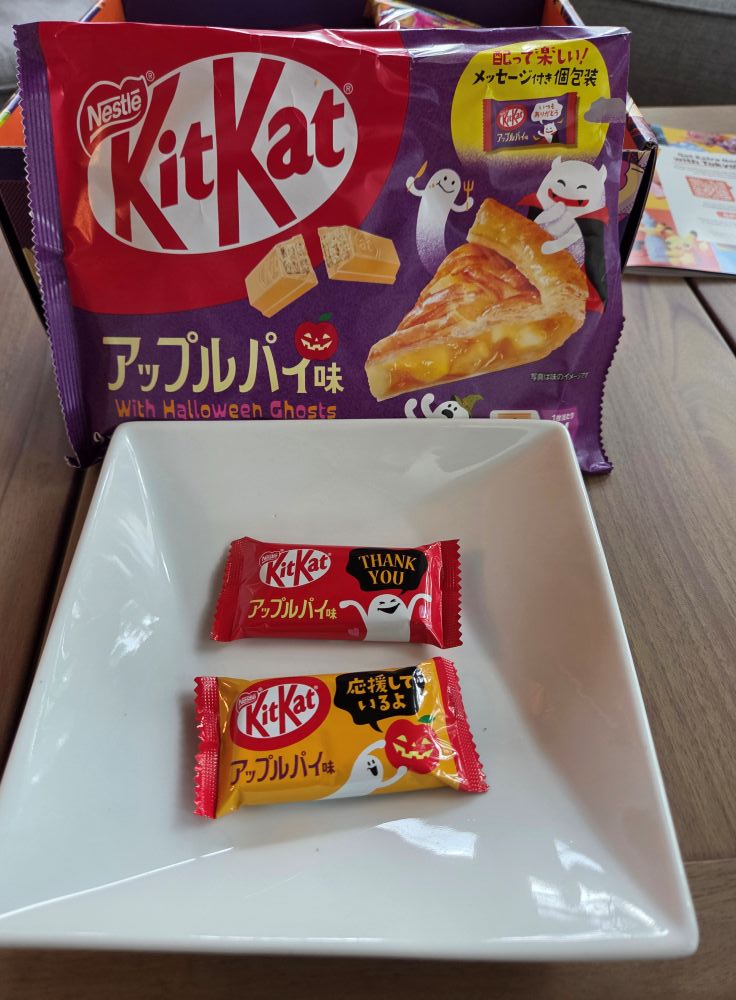
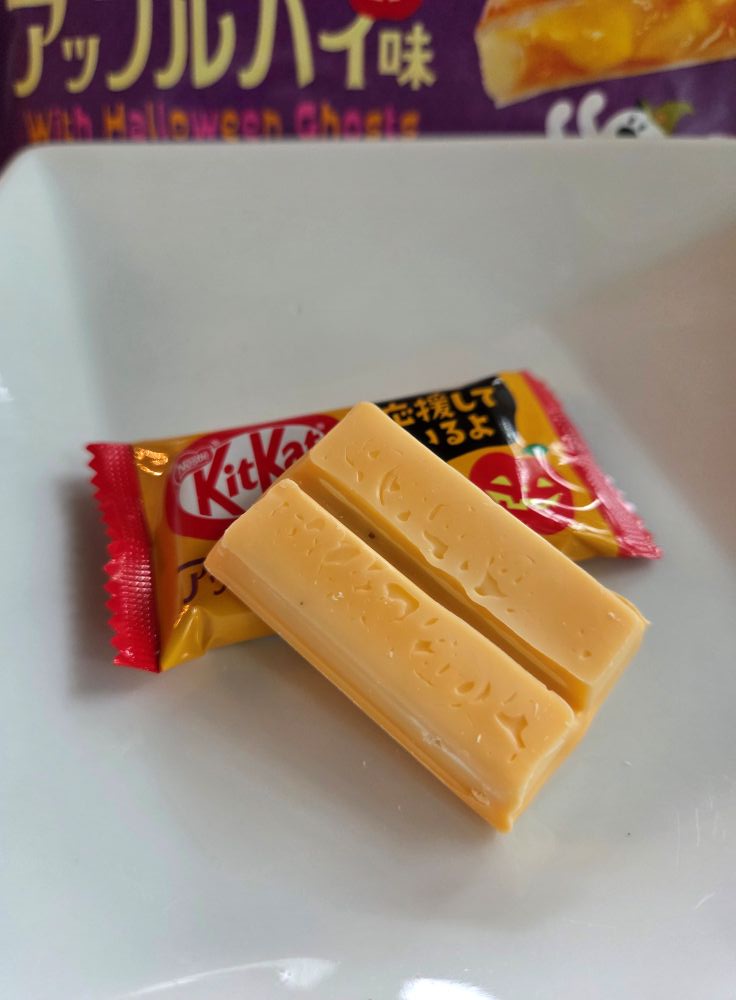
The box included a helpful pamphlet describing Halloween (a foreign import) and other spooky traditions in Japan including the homegrown historical Japanese supernatural spirits known as yokai. Since the packaging for the treats is mostly in Japanese, the booklet also helps you identify all of the treats inside (including listing any common allergens). One of the highlights of this month’s TokyoTreat box was the package of the seasonal apple pie KitKats. When we visited Japan in 2024, we enjoyed trying all of the delicious unique KitKat flavors that are unavailable in the US. Some standouts included red bean, matcha, and raspberry chocolate chip. We had never tried the apple pie flavor, and it tasted uncannily like the real thing! Each TokyoTreat box features a new KitKat flavor, and we look forward to seeing what we get in the future. Past KitKat flavors have included Mont Blanc and strawberry chocolate.

The treats are sourced from throughout Japan, and some were specifically Halloween themed. Of note, we had tried none of the Japanese snacks and candies before! Some of our favorite sweet treats from this month’s assortment included a tiny custard-filled sponge cake and a “chocolate baton” wafer with a meringue-like texture. Though not particularly spooky, we were also fans of the blueberry cheesecake bites, which were airy, flaky and not too sweet. Though there were only small samples of some of the treats, others were large enough to share (which definitely made M happy).

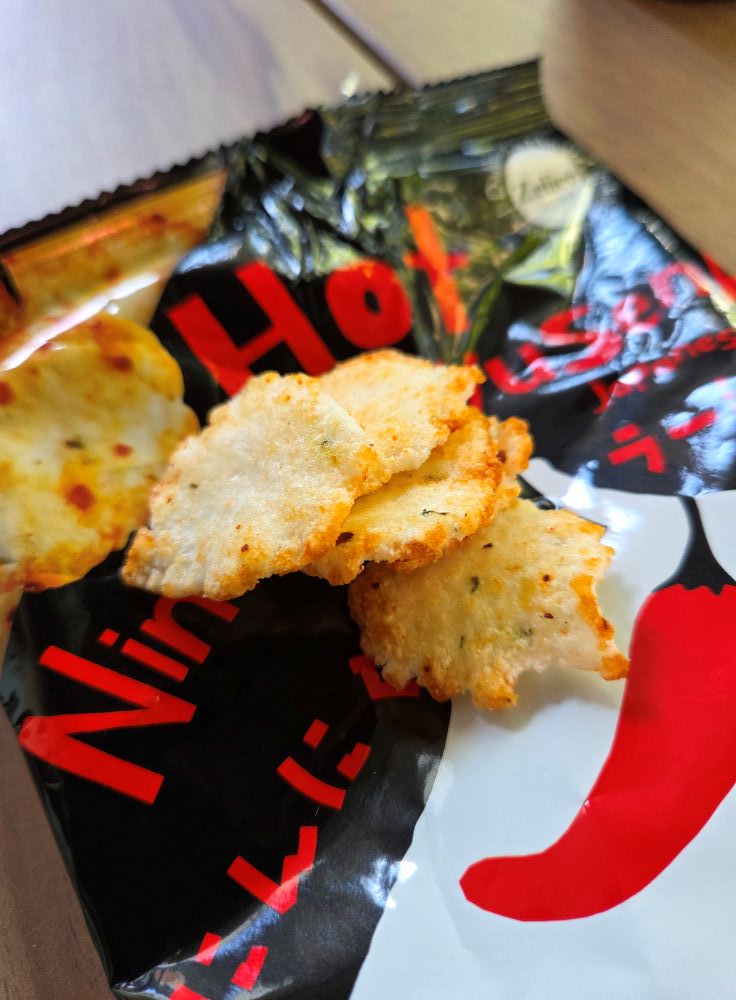
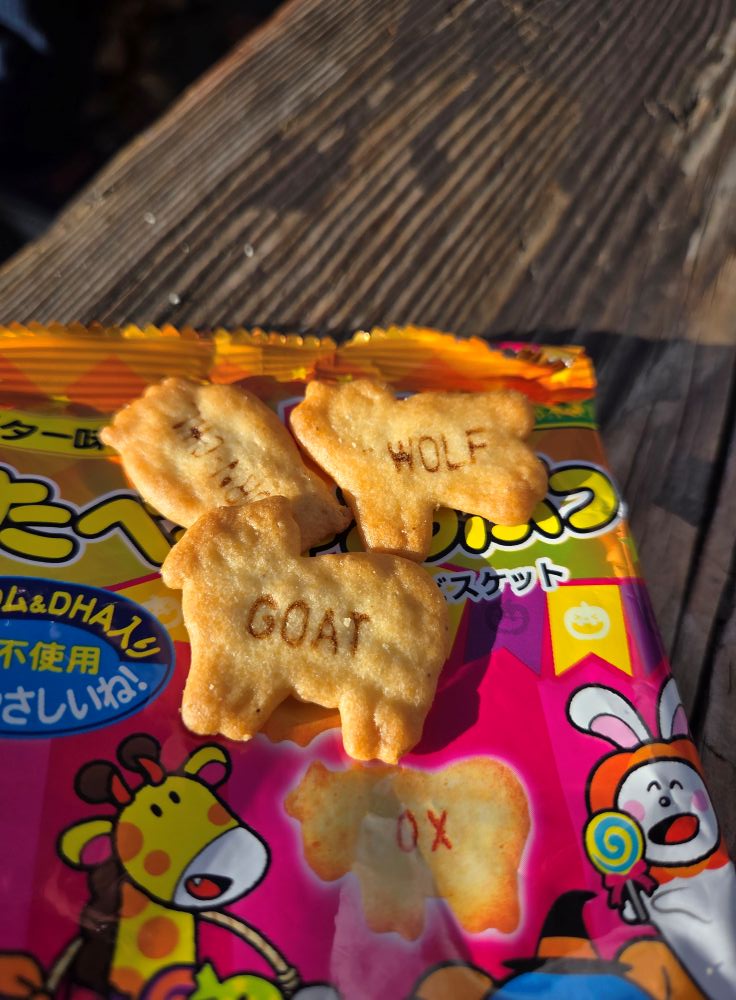
We do appreciate the inclusion of both savory and sweet treats in each TokyoTreat subscription box, since especially with the candy-forward Halloween theme, savory could have easily been overlooked. Of the savory treats, one of our favorites was the garlic and chili senbei rice crackers, which had a delightful crispy texture and satisfying amount of heat. Buttery animal crackers toed the line between savory and sweet, and we got a kick out of how each abstract animal was helpfully labeled. The box even included a spicy ramen pack that we are going to squirrel away for later. These were only a few of the snacks and treats in the box, but we don’t want to give every surprise away.

The Halloween TokyoTreat box is a great way to get into the spirit for Spooky Season. We really enjoyed the assortment of treats provided, and the diversity of unique flavors. If you are trying to decide between a TokyoTreat box and a SakuraCo box, you can’t really go wrong, though they are quite different. SakuraCo is more focused on featuring specific artisanal makers, and the TokyoTreat box is geared toward more fun, pop culture packaging, and off-the-wall flavors. So why not try both? You can try a single month, or a longer subscription (3, 6, or 12 months), or can give either option as a gift. Especially with the winter holidays around the corner, we look forward to seeing what treats are in store for next season!

Leave a comment

Filed under Reviews

SakuraCo Subscription Box Review: Authentic Japanese Snacks

It’s no secret that we are huge fans of Japanese food, an obsession stoked even further by our trip to Japan in summer 2024. Due to our love of Japanese food, I was particularly delighted that SakuraCo gifted me their August subscription box of Japanese foodie treats. SakuraCo is a monthly subscription service that sends you a curated box of Japanese snacks, based on a different theme each month. You can also buy one-off boxes or products if you don’t want to commit to an ongoing subscription. They also have a sister brand TokyoTreat which offers more pop culture and kawaii based food subscription boxes. I have previously purchased SakuraCo subscription boxes as presents for my foodie friends, and they have always been well-received.

This month’s SakuraCo box theme was Okinawa, the southernmost major island in Japan. I was thrilled to see this theme since Okinawa is one of the top places we would like to visit in the near future. We have a friend who lives there part of the year and we hope to visit him someday. It didn’t work to visit Okinawa on our 2024 trip, but he was previously generous enough to bring us some treats from Okinawa. Okinawa is known for its unique cuisine, its indigenous Ryukyuan culture, and its laid-back beachy atmosphere that sets it apart from other regions in Japan. On the blog we have previously covered Okinawan brown sugar, a special ingredient that found its way into several treats in the SakuraCo August box including in chocolate cookies, an almond mix, and deep-fried wheat snacks.

The SakuraCo box includes at least 20 sweet and savory treats from small-scale artisanal producers all over Japan, but with a focus on Okinawan producers or ingredients this month. SakuraCo boxes also include a piece of pottery, glass or tableware each month, serving as a lasting reminder long after the food has been consumed. This month’s box included a special piece of pottery from Bloom Ceramics in Gifu Prefecture. We received a small Mino Ware bowl in elegant, muted browns and blues, which we think would be perfect for dipping sauces.

One of our favorite parts of the SakuraCo box is the helpful booklet that describes each item and its producer, along with some information about the region’s culture and top sites. Not only does this guide help you identify the products, but it provides additional context on the included foods and their unique origin stories, which I love. One of the featured producers in this month’s box was a heritage dried pickled plum maker from Okinawa, Uema Kashiten. The included honey plum, known as Suppaiman, was truly one of the most intriguing bites in the box: sweet, salty, savory, acidic and juicy all in one.

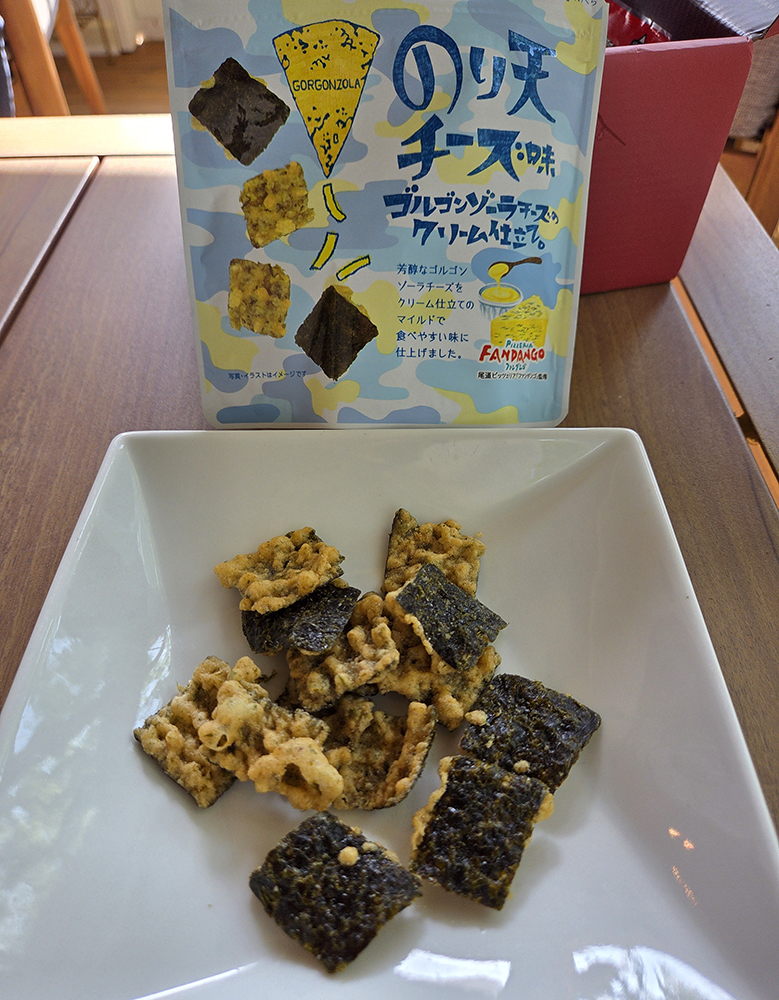
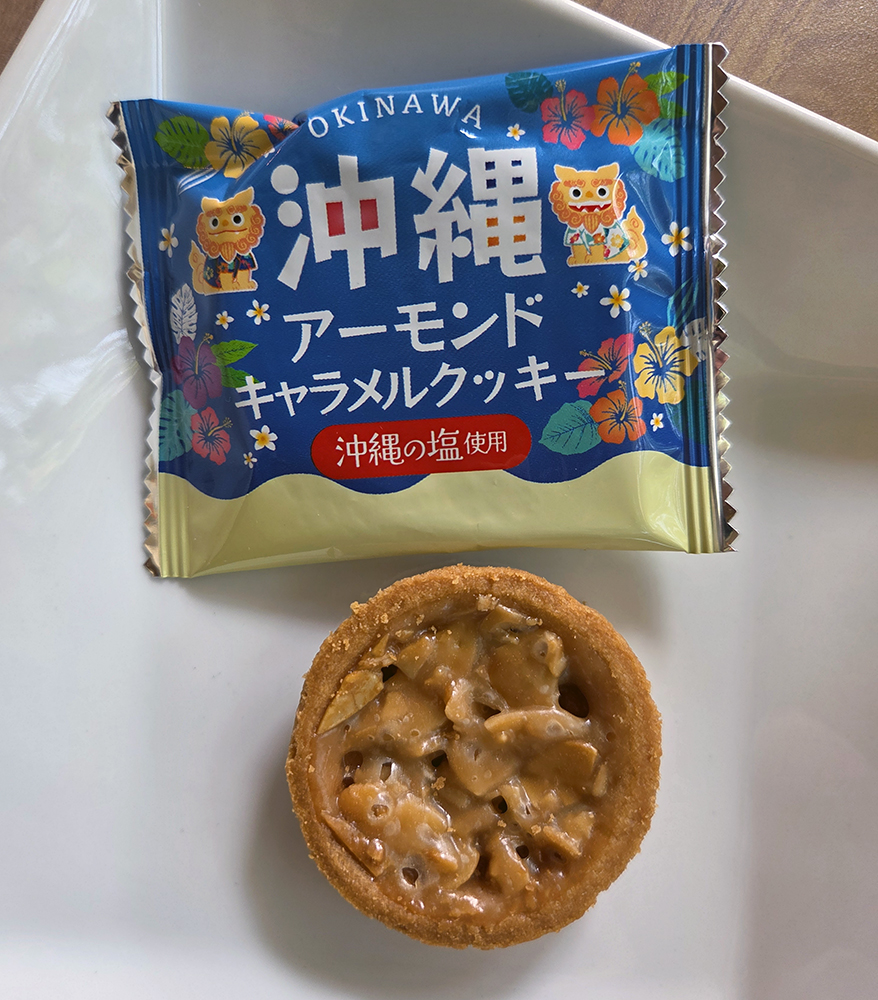
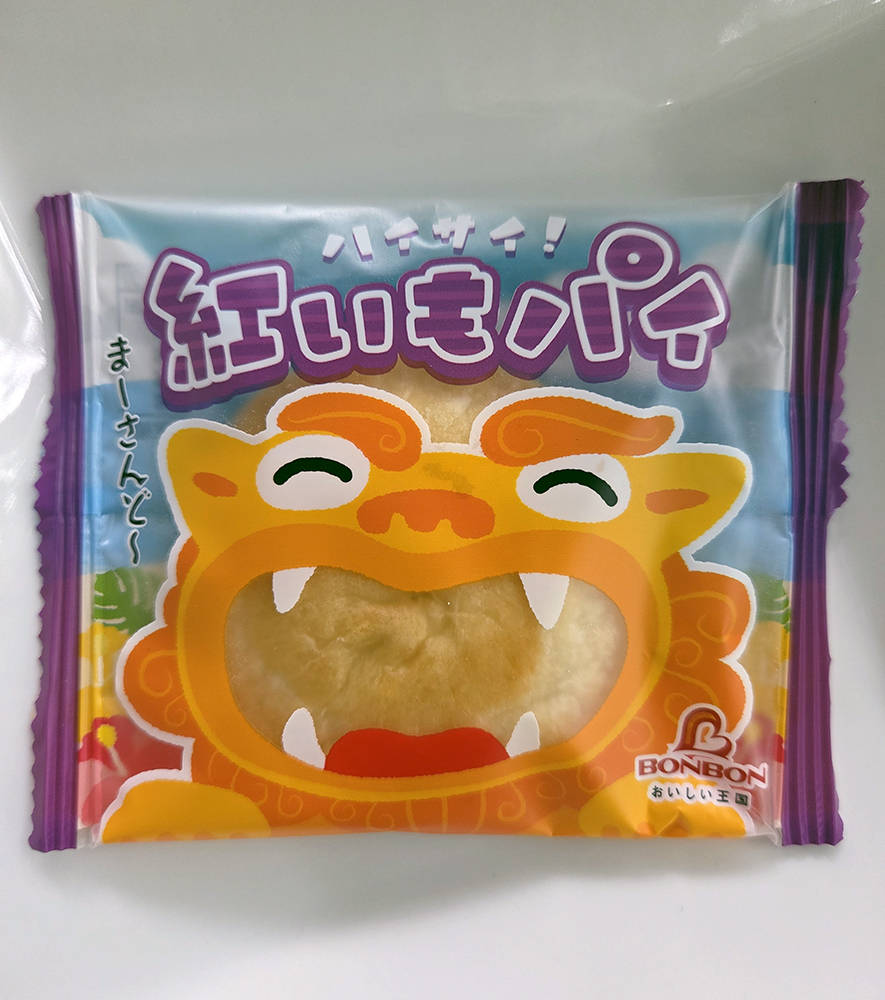
The box was a treasure trove of unique Japanese snacks, none of which we had ever had before. Many of the snacks come in twos, which makes them really fun to share with a friend or partner (or to just have more for yourself). One of of the favorite items in this month’s box was the delicate Sanpin jasmine green tea from Higa Seicha in Okinawa (2 servings) which made the perfect accompaniment for our Japanese treats. On the sweet side, we really enjoyed the Beni Imo pie with Okinawan purple sweet potatoes from Bonbon Confectionery in Hokkaido and the Okinawa Almond Caramel Cookie from Nagatoya in Shizuoka. Though these manufactures were not from Okinawa, they featured key ingredients from the region: Okinawan salt, brown sugar, and sweet potato. On the savory side, we really enjoyed the Gorgonzola Nori Ten bites from Maruka Foods in Hiroshima, which were bursting with umami flavor.

We heartily enjoyed sampling the sweet and savory treats in this month’s box, and can’t wait to see what next month brings. As a result, our desire to go to Okinawa is stronger than ever! These Japanese snack boxes would make the perfect gift for the foodie in your life (or yourself). You can order the SakuraCo Okinawa box until August 20, 2025. Thanks again for the treats, SakuraCo!

1 Comment

Filed under Reviews

Reviving Japan’s Tachibana Citrus: A Nara Cafe Experience

Nara, Japan is a particularly picturesque city, full of both historical and modern cafes. On our trip we stumbled upon Ocasi (5 Ganriincho, Nara, 630-8221, Japan), a small but atmospheric cafe that sold treats with rare citrus jams native to Japan, made in house. When we stepped into Ocasi we got the biggest surprise of all, a rare tachibana citrus tree growing in their tiny courtyard. We enjoyed the tachibana jam at Ocasi in a dorayaki (think mini pancake with a sweet filling) imprinted with the iconic deer of Nara. The intense and complex flavor reminded us of some of the bitter, sour oranges we have tasted in Italy. The unique citrus filling was completely delicious, and worked well paired with a sweeter treat. You could also buy tachibana jam to bring home, which we thought made a great souvenir for ourselves and foodie friends.

Tachibana is something of a sour citrus, and is small, with the appearance of a kumquat. It is one of only 2 citrus species purely native to Japan, and is considered to be threatened. Prior to our trip to Japan, we had never encountered it elsewhere. Nara is the center of the tachibana revival, and the citrus fruit has a long and storied history in the region, garnering mentions in historical poetry, and appearing on the 500 Yen coin. Though tachibana is mainly considered ornamental nowadays, revivalists like Kenji Jō of the Nara Tachibana Project are trying to raise interest and awareness in this now-rare species. Food companies in Japan are making inroads at commercialization, including tachibana in items ranging from chocolate to gin.

Do you want to help in the tachibana revival? It looks like you can even buy one of these heirloom plants online. Though little known outside of Japan, more esoteric Japanese citrus varieties like the tachibana and sudachi have recently gained attention from international media outlets like the New York Times. Yuzu for example, once considered rare and exotic outside of East Asia, is now much more commonly found in culinary dishes around the world. Today yuzu, tomorrow tachibana?

Citrus tachibana (ca. 1823 – 1829) via Wikimedia Commons.

Leave a comment

Filed under Reviews

A Norwegian Culinary Roadtrip: Norsk Nook in Wisconsin

Though Swedish cuisine was amply represented in Chicago, we had been on the look out for Norwegian food for a while. Fortunately, we were driving to “Up North” Minnesota for a dear friend’s wedding, so we were able to drive near the Norwegian food stalwart, the Norsk Nook in Wisconsin (2900 Pioneer Avenue, Rice Lake, WI). With Syttende Mai, Norway’s Constitution Day approaching on May 17, we thought it would be an appropriate time to recap our delicious visit. It is perhaps unsurprising that we had to drive to the heart of central Wisconsin to find Norwegian food, as this area, along with Minnesota in the Upper Midwest was the heart of Norwegian immigration to the US.

The original branch of Norsk Nook in Osseo, WI was founded by Helen Myhre in 1973, and the Norsk Nook empire has grown to 3 locations today. At Norsk Nook one of the signature treats on offer is pie, which is not necessarily a Norwegian classic, but certainly is a Midwestern one. The pies were available in a staggering variety of flavors, by the slice or a whole pie, both of which were enticingly displayed in a retro-looking pie case. We got apple/lingonberry and blueberry with a crumble topping, both of which we highly recommend. The crust was buttery and flaky, and the delicious filling was impeccably fresh. Though we did not try them, the sky-high meringue pies also looked particularly scrumptious, and these were only a few of the dozens of varieties available. The pies are also available to pre-order online and Norsk Nook has its own pie cookbook.

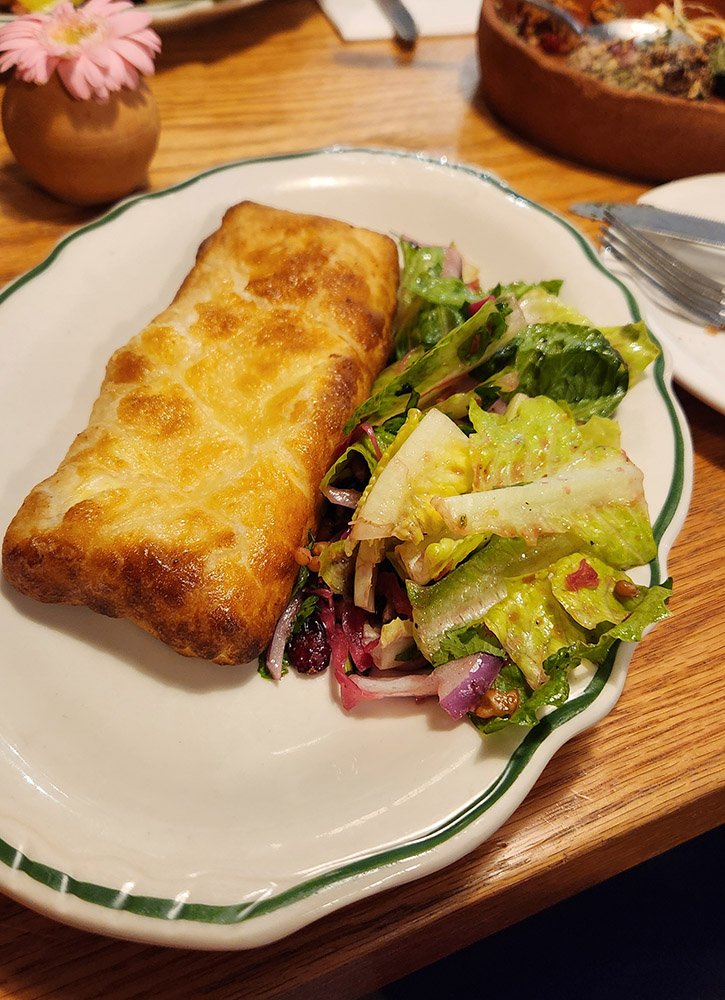
Alongside a super-full bakery case, Norsk Nook also boasts a dine-in section with a menu full of American classics alongside a few Norwegian specialties. In terms of Norwegian options, you can get Norwegian pancakes topped with blueberry, lingonberry, or strawberry, or try an order of potato pancakes. Also on offer are Norwegian lefse, thin crepes made from potatoes. You can pre-order lefse in store or online, or try them as wraps in the restaurant. If you want to go all out with the Norwegian flavor, you can get a lefse full of fried smelts, though chicken and roast beef are also available, among other options. We took both our lefse wraps and our pieces of pie on the road, but everything was still delicious

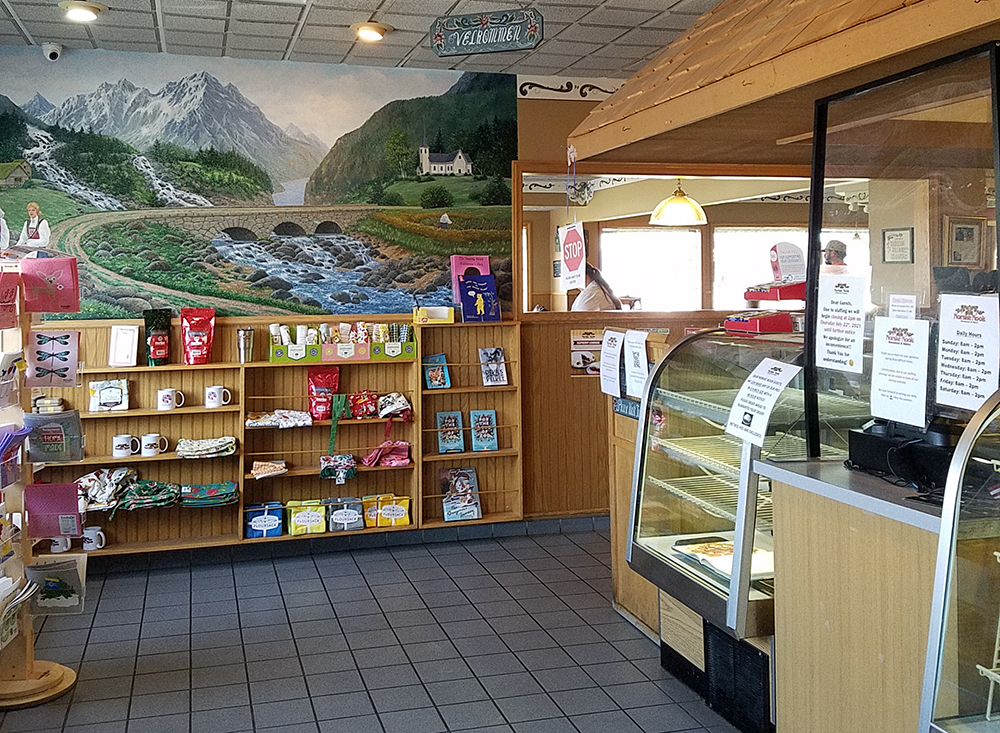
Attached to the bakery is a small store stocked with assorted Scandinavian specialties, and plenty of Norsk Nook branded swag (much of it with a pie theme). A unique option to bring home is the wild rice and cranberry bread, which also gives a culinary nod to the Indigenous heritage in the region. Definitely make a detour to stop at Norsk Nook on your next Midwest roadtrip, especially if you are a pie lover!

1 Comment

Filed under Pastry Post-Poc, Reviews

Discover Authentic Georgian Cuisine in NYC at Chama Mama

When we lived in Chicago, we were lucky to have easy access to an authentic Georgian bakery with a huge oven in the center (RIP Argo Bakery). When we moved, of course, we lost access to those lovely Georgian breads. So, we were delighted when several friends independently suggested we try out a Georgian restaurant while we were visiting NYC, Chama Mama. There are a few locations of Chama Mama, and we visited the one on the Upper West Side (373 Amsterdam Ave). The restaurant had a modern, buzzy vibe and boasted the Georgian alphabet on the wall in neon. Bread is the heart of Georgian cuisine, so we were so glad to see the restaurant anchored by an amazing oven, called a Tone, analogous to a Tandoor oven.

Unsurprisingly, the menu highlighted bread at every turn. Our group started out with the “Taste of Georgia” platter, which included a series of walnut and chopped vegetable based dips called Pkhali: carrot, spinach, eggplant, red kidney bean, and Georgian leafy greens (ekala). Accompanying the pkhali were small rolls that were hot out of the oven, and smoked Georgian cheese. The pkhali were simply delightful, with complex flavors and a richness from the walnuts, which somewhat reminded us of Muhammara (Roasted Red Pepper Dip).

The mains were also bread-focused, including one of the most symbolic dishes of Georgian cuisine, the boat-like Khachapuri, topped with an egg. However, we learned that this style with the egg on top is typical of the Adjara region, and is only one of many regional variations. Chama Mama had other regional Khachapuri versions on offer, including the closed Calzone-like version from the Imereti region. Another classic main course was a tray of Khinkali dumplings (beef/pork, lamb, or mushroom), available either steamed or pan-fried. As part of the lunch special, we sampled small versions of the puri gulani (beef/pork, beans, or cheese) filled puff pastry, along with a small side salad. The bread was light and flaky, and not oily at all, despite the somewhat heavy filling, a real feat.

Chama Mama also offered an extensive list of Georgian wines, and chacha, a grape-based spirit. For other tastes, the restaurant concocted a series of nice mocktails, which our group appreciated, particularly the Figgin Fresh, composed of fig syrup, Earl Grey tea, and lemon juice. Chama Mama was a perfect place to visit after an afternoon at the American Museum of Natural History. Also, importantly for our group that day, Chama Mama is a great place to bring vegetarians, with many creative options. There is also a nice outdoor seating area for nicer weather (certainly not true in February). We can’t wait to go back and try more fresh-from-the-oven bread!

Leave a comment

Filed under Reviews

The Ultimate Tonkatsu Experience in Osaka

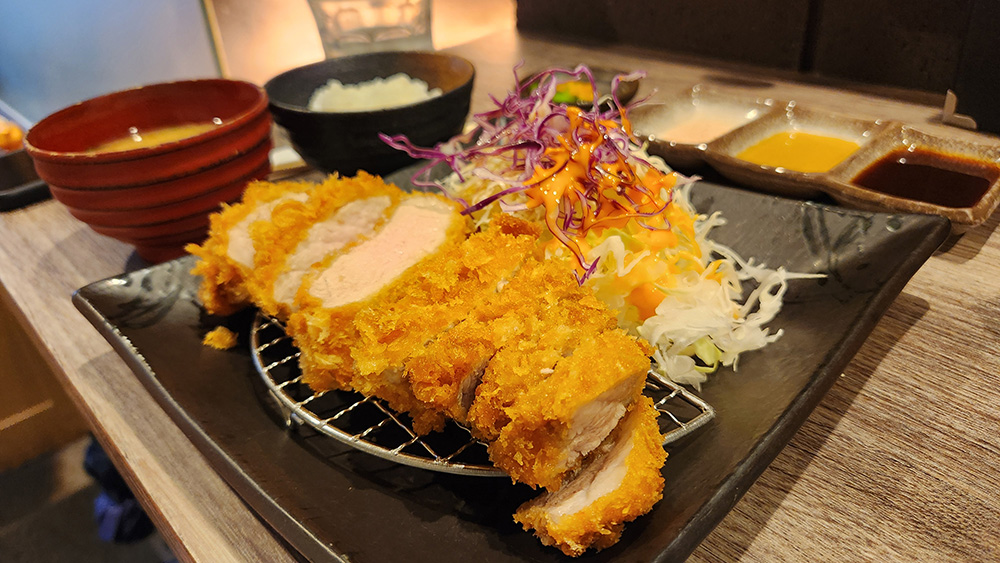
When we arrived in Osaka after a long Shinkansen ride, we were famished! Our hotel was a bit off the beaten path, we had to do a little searching for a possible places for a quick bite. One of the foods we were craving at the moment was tonkatsu – crispy fried pork cutlets – so we did a quick Google Maps search for any nearby haunts. It turns out that we were within a short walk of an amazing, Michelin Bib Gourmand-recognized tonkatsu restaurant: Tonkatsu Daiki (1-6-2 Higashishinsaibashi, Chuo-ku, Osaka, 542-0083, Japan).

We showed up at a somewhat early time for dinner – about 5:45 PM – and were seated at the counter right away. As soon as we sat down, a line began to form outside, which grew ever-larger as we continued to wait for and enjoy our meal. The restaurant itself was extremely tiny with a counter that seated 4, and only a few additional tables (note there are no kids allowed). The main options on the menu were several varieties of tonkatsu with different cuts of pork (though fried shrimp also appeared to be a popular option). M got the classic and L got the leaner pork tenderloin. If you wanted something a bit richer, there were tonkatsu plates with melted cheese, Japanese curry, and even an omelette. The restaurant is cash only, and lunch portions are a bit cheaper than dinner, though you will likely not pay more than 3,000 yen at any time.

Sitting at the counter, we peered intently into the kitchen as the chef prepared everyone’s meals right in front of us, taking extreme care with each step. There was a bit of a wait, but the end result was worth it. The pork was tender and juicy, and you could tell it was of the highest quality. There was absolutely no grease coming from the fried coating – this was the lightest-feeling fried food we had ever had. Alongside the tonkatsu were a few dipping sauces, including spicy mustard and classic tonkatsu BBQ-style sauce, and some shredded cabbage. This was absolutely the best tonkatsu we have ever had, and definitely some of the best pork of any kind.

We chatted a bit with the chef, who knew some English, and he was very friendly, and humbly accepted our heapings of praise. Somehow, we lucked out with our timing, so we would recommend that you also go towards the beginning of either the lunch or dinner service (they are open 11am-2:30pm and 5:30pm-9:30pm, Closed Sunday). However, we would have definitely waited in line to experience this Tonkatsu again!

1 Comment

Filed under Reviews

A Taste of Cuba at Finca Agroecologica El Paraiso

We were recently on a 2 week tour of Western Cuba, specifically focusing on Afro-Cuban music and culture. Unlike most of our trips, we did not specifically plan this trip for foodie purposes. However, there was one unexpected foodie stop on our trip that blew us away: Finca Agroecologica El Paraiso. Finca Agroecologica El Paraiso is an all-organic farm in the hills of Western Cuba outside of Viñales. Everything is grown on site in beautiful terraces, and the picturesque setting alone is worth the trip. The restaurant itself is open-air in a series of wooden structures with open sides, looking over the mountainside. There, we met the charismatic owner, Rachel who runs the farm with her sister Rosalba and their father Wilfredo García Correa.

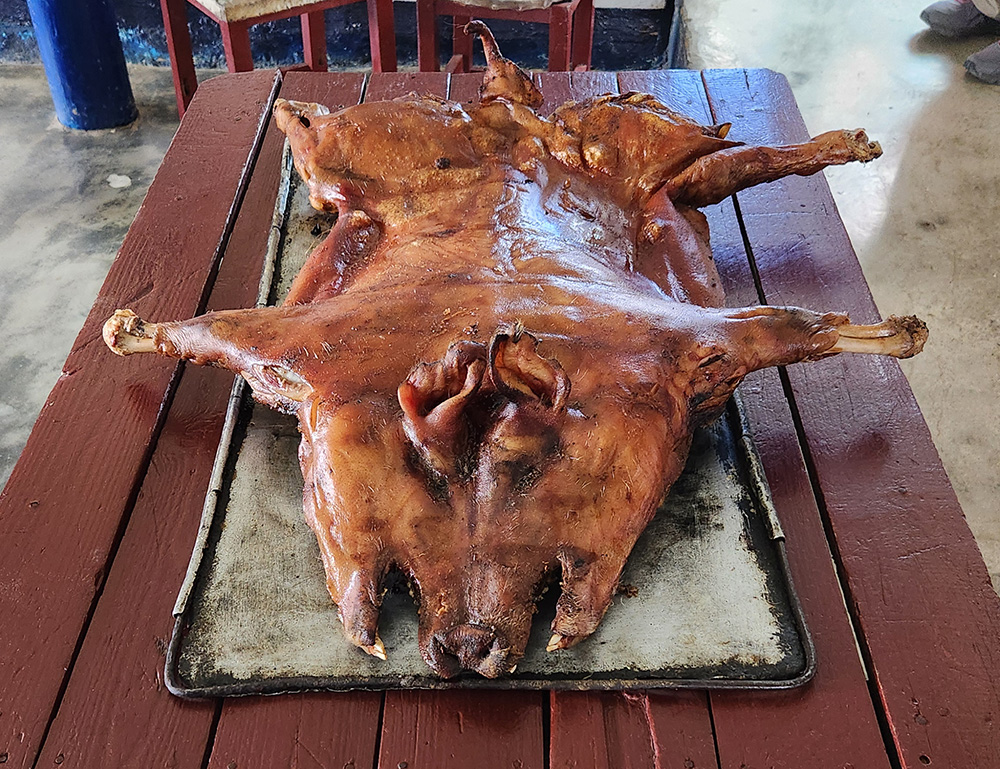
We started off with their so-called “anti-stress” drink (recipe at link and also in the book, A Taste of Cuba), their signature concoction, made with several different types sweet herbs (including mint, lemongrass, and anise), pineapple juice, cinnamon, and coconut milk. Of course, as was the case in many places in Cuba, you could add rum to the drink in any quantity you wanted (or omit it completely). In terms of our lunch, we were heartened to see a whole roast suckling pig being carried into the dining room when we entered (lechon is one of M’s favorite foods). We were eating lunch with a large group, so we all partook in a fixed menu, shared family-style.

We started with a basket of yuca / cassava crackers, and a huge assortment of plates of fresh vegetables: lettuce, tomatoes, squash, yuca, green beans, pickled cucumbers, and more. There was a paucity of fresh vegetables on the rest of trip, so this abundant assortment was particularly welcome. Then onto the mains: lobster in garlic sauce and roast chicken. Of course, the key main was the suckling pig, which was absolutely delectable. Every dish was simple, but highlighted the freshness of the ingredients. There was more food than we could consume, even as a group, and all of that was capped off with a scoop of ice cream for each person. Of course, the meal ended with a cafecito (or tea). We enjoyed our mint tea while overlooking the terraces.

After our hearty lunch, we roamed the grounds of the farm, enjoying some time to swing in a hammock and traipse up and down the terraces. We felt completely rejuvenated by experiencing the natural beauty of the surroundings, which have also been named as a UNESCO World Heritage site. The food at Finca Paraiso was wholesome, delicious and fresh, and the surroundings were even more stunning. We are not sure if we will ever be in this part of Western Cuba again, but Finca Paraiso may just draw us back.

1 Comment

Filed under Reviews

Australian Food Adventures

AustraliaThings have been a bit quiet here, because we have recently moved, and we are going to Australia in a few days! We are excited to experience several different cities in Australia, from the cosmopolitan restaurant scene in Sydney to the night markets of Darwin. Leading up to our trip, we have been trying to learn more about Australian food (we do know that they love savory pies)! While in Sydney, we are excited to try Din Tai Fung, and all the laksa (Malaysian noodle curry, pictured below) we can eat. We are also reading up on the latest directions in Australian food, and what makes Australian food Australian. See you in August!

Laksa.jpg

Chicken Laksa at MaMa Laksa House in The Grace Hotel, Sydney by Stilgherrian

2 Comments

Filed under News, Recipes

Help us with Peru food and dining suggestions!

peruWe are about to embark on a 10-day-long trip to Peru in July, and we are so excited to see the sights, but we are even more excited about the food, which has long been one of our favorites (particularly for M). However, we are feeling a little overwhelmed by all of the choices for food options, especially in Lima, where we are looking forward to an abundance of ceviche. So we are asking you, dear readers, what are your favorite places to eat in Peru (in Lima, Cusco and the Sacred Valley)? Where (or what) should we avoid? We are thinking of one fancy meal – do you have any favorites? Thanks in advance for your help!

Tanta

Ceviche at Gaston Acurio’s Tanta in Chicago

1 Comment

Filed under Note

Drawn the Road Again: A Visual Travel Blog

chandler_oleary_franklin_fountain1-720x231

Drawn the Road Again is an amazing blog of Chandler O’Leary’s travel sketchbooks created while criss-crossing the USA. But perhaps sketchbook is a misleading term, since each one of these Moleskine and Watercolor creations looks like a little work of art. Though this is not mainly a food blog, naturally there are many posts that touch on food, such as a visit to Franklin Fountain in Philadelphia, our favorite! (above and below images), the peach orchards of the Columbia River Gorge in Washington State, and the culinary delights of Dogpatch, San Francisco. We’re looking forward to the next trip.chandler_oleary_franklin_fountain3-720x543

Leave a comment

Filed under Design and Photography, Links