Guide to Old-School beverages at Lisbon’s Quiosques de Refresco

portugalWe previously wrote a post about Quiosques, small cafe kiosks located in city squares, and their awesome prevalence throughout Lisbon. Today, we are going to give you a guide to a special breed of quiosque – the Quiosque de Refresco (refreshment kiosk). The quiosque de refrecos is the brainchild of Catarina Portas, proprietor of the store A Vida Portuguesa, who wanted the revive the quiosques in Lisbon, and their old school drinks. The project was extremely successful, and the Quiosque de Refresco is something of a chain now with five locations throughout Lisbon. We were shocked to learn that there was no quiosque (in the recent past) in the bustling Praça Luís de Camões (below) until the Quiosque de Refresco appeared in 2009. Doesn’t it seem like it had been there forever?

Praça Luís de Camões

Praça Luís de Camões

What makes these quiosques so unique, despite being cool places to while away the time, is that they sell old-school drinks that originated in the mid-20th century or earlier. So what kinds of drinks can you get at a refreshment quiosque? The drink options are written on a little hanging chalkboard, pictured below, and include both alcoholic and nonalcoholic beverages. Seem confusing? Never fear, I will walk you through all of the options on the menu pictured below.

QuiosqueMenu

Leite Perfumado – I ordered what I thought was a Spanish horchata, turns out it was actually a leite perfumado. This drink, which translates to “perfumed milk,” is milk steeped with sugar, cinnamon, and lemon, which gave it a chai-like flavor. Even though it is made with UHT (boxed) milk, which I normally do not like – I thought it was great! This drink is served cold.

Leite Perfumado

Leite Perfumado

Mazargan – This is a classic drink made from coffee, sugar and lemon. The Portuguese are big coffee experts, and this storied coffee drink has quite an interesting history, and bears the name of a town in Algeria. Served cold, this drink is sweet and refreshing and good for a midday caffeine boost.

Limonada/oranjada– Perhaps the most familiar option, these are fizzy lemon or orange drinks, much like a San Pellegrino fizzy beverage. These crisp drinks are definitely great for a warm day, or for kids.

Capilé

Capilé, pre-mixing

Xarope (Syrup) drinks – These drinks came in a variety flavors, and are served with a small amount of sugar syrup in a cup, and you then mix in a small bottle of still water. Two of the most iconic and unique syrups are the groselha and the capilé. These drinks were somewhere between a juice and Kool-Aid in taste, but not super sweet. The flavor Groselha is within my realm of knowledge – red currant. However, capilé was something else entirely – not that it doesn’t even have a translation on the menu – fern! We really enjoyed the Capilé, which had a sweet grassy flavor similar to green tea. Other syrups available included: chá verde/green tea, erva principe/lemongrass, tonilho-limão/thyme-lemon and the simple limão/lemon.

Groselha

A mixed Groselha syrup drink

Alcoholic:

Vino quente– We were there during the winter, this drink was basically flying out of the quiosque. Vino quente is literally translated as”hot wine,” and is basically a mulled wine (usually Madeira or Port) with spices. Perfect for a cold night.

Grogue – For some reason we had this drink mixed up in our head with the Swedish drink glögg, which is actually more akin to the vino quente above. However, we did find a description of what makes us a grogue from the Quiosque site:

O nosso Grogue mistura aguardente velha, água, sumo de limão e mel, é servido bem quente e deve ser bebido de um trago. Sem medos! Which translates to: Our Grog mixes old brandy, water, lemon juice and honey, is served hot and should be drunk in one gulp. No fear!

Praça do Príncipe Real

Quiosque in Praça do Príncipe Real

So there you have it! Now you know exactly how to decipher the menu, and find your new favorite Portuguese drink. We also suspect these drinks may change with the season…mulled wine may not be suitable for a hot summer day. If you are in Lisbon, the quiosque de refresco is a great slice of history, and it fun to seek out all of the different quiosques across town. If you go, let us know what you order!

Leave a comment

Filed under Reviews

Origami: Starbucks’ single-use Japanese pourover kit

JapanPourover coffee is having a moment, but now Starbucks in Japan is taking it one further with their “origami” single use pourover kit. Seems like a pretty cool way to brew coffee, and we certainly prefer it over the more common single-serve coffee method of K-Cups or freeze dried coffee powder. What do you think – would you use origami?

Leave a comment

Filed under Coffee, Links

Cheap NYC Chinatown eats at Vanessa’s Dumpling House

China flagWe were in NYC right before Chinese New Year and found ourselves hankering for some good, cheap Chinese food. Vanessa’s Dumpling House (118A Eldridge Street, New York, NY 10002) came highly recommended by my cousin, who is always in the know. When we arrived on a bone-chillingly cold day, there was already a very large line, and huge trays of Beijing-style dumplings basically flying out the door. We knew we were in the right place.

Vanessa's Dumpling House

Dumpling prep at Vanessa’s Dumpling House

The specialties of Vanessa’s are dumplings – obviously – but also an intriguing Northern-Chinese style dish – the sesame pancake. The sesame pancake was a must-have according to my cousin, and it was a completely intriguing dish to us, cooked in a giant round pan, and cut into manageable triangles. Despite the name “pancake,” this was basically a Chinese riff on focaccia bread. It had a light bread-y texture, coated with oil and topped with sesame seeds – a little greasy maybe, but totally delicious. And a slice is only $1! Yes, this place is crazy cheap. Vanessa’s takes the sesame pancake concept one further by even making sandwiches out of the sesame pancakes with fillings like beef and Peking duck ($2-3).

Vanessa's Dumpling House

Fried dumplings

Onto the dumplings – we ordered a mix of fried and boiled. We got the four fried pork and chive dumplings for only $1.25, eight boiled veggie dumplings, and eight boiled chicken and basil ($4 for 8). The dumplings were perfectly formed and cooked to perfection, though we slightly preferred the slightly crispy skin of the pan-fried dumplings. We also appreciated the soy and chili dipping sauces that came with each order. It was a real treat to watch the production at Vanessa’s – talk about a well oiled machine. You can also pick up some 50-packs of frozen dumplings to enjoy in the comfort of your own home ($7-14). We took our goodies to go and heartily enjoyed our little taste of Chinatown. We can’t think of a better place to get a cheap dumpling fix – and you absolutely have to try the sesame pancake.

Vanessa's Dumpling House

Batch of dumplings being cooked at Vanessa’s Dumpling House

Leave a comment

Filed under Reviews

Try a new type of cake for Chinese New Year: Nian Gao

Nian Gao

Nian Gao in Chinatown, Singapore by Choo Yut Shing

chinaThis lunar new year, the pastry post-doc is celebrating with an entirely new cake preparation format – steamed. Yep, the cake in question, Nian Gao, is actually a sweet steamed Chinese cake made from glutinous rice flour and brown sugar. Nian Gao (or nin gou) is popular across China, and varies widely by region, as well as in the Chinese diaspora. It is considered a lucky food to have around the New Year, partly because of its name. According to Wikipedia:

It is considered good luck to eat nian gao during this time, because “nian gao” is a homonym for “higher year.” The Chinese word 粘 (nián), meaning “sticky”, is identical in sound to 年, meaning “year”, and the word 糕 (gāo), meaning “cake” is identical in sound to 高, meaning “high or tall.”

Nian Gao is traditionally steamed, and therefore has a more gelatinous texture, as in this recipe, though Chow.com also has a baked recipe. Honestly, though the baked cake may be more familiar, I really appreciate the steaming technique, which is definitely not utilized in many Western sweets. Here’s to a sweet new year!

Leave a comment

Filed under Holidays, Pastry Post-Poc

Where to go for beignets in Chicago

NOLAFlag[updated 2/2016] Happy Mardi Gras! In Chicago, the classic Mardi Gras treat of choice is the Paczki, however we are also big fans of a fried doughy treat right out of New Orleans, the beignet! While we are not going to be near Cafe Du Monde, we are hoping to get some of that NOLA spirit, so where to go in Chicago? It turns out there are quite a few places.  You can get beignets in Chicago at Jimmy’s which specialized in NOLA-style beignets, Big Jones and our new favorite beignet: Butcher & Burger, which also serves Cafe Du Monde coffee. Of course, you can always make your own. Laissez les bon temps rouler!

Beignet

Beignet from Cafe du Monde in New Orleans.

Leave a comment

Filed under Holidays

Semla for Mardi Gras in NYC

sweden_flagIt’s almost Mardi Gras, and we are in NYC, so we decided to indulge in a semla (plural: semlor) from the Swedish coffee shop Fika (41 W. 58th St.), which we had visited on a previous trip. So while many may think of king cake for Mardi Gras, we were in a Scandinavian mood. A semla is traditional Swedish brioche roll flavored with cardamom and filled with whipped cream, usually eaten before Lent. Understated, yet indulgent, this is definitely a Mardi Gras tradition we can get behind. Learn how to make your own semla at Saveur.
image

Leave a comment

Filed under Holidays

All about Ensaimadas – Spain to Puerto Rico to the Philippines

philippinesFlag of Puerto RicospainWe first ate an ensaimada, a sweet eggy, yeast roll on a warm day in Puerto Rico, not knowing anything of its history, other than that it looked pretty tasty (it is actually called a Mallorca there). However, we did not put two and two together until we stumbled upon the same sweet yeast roll, with the same spiral top, on a cold winter day in Madrid, except this time it was called an ensaimada. When we got home, we did a little research and sure enough these two rolls, encountered an ocean apart, were actually the same pastry.

La Mallorquina in Madrid

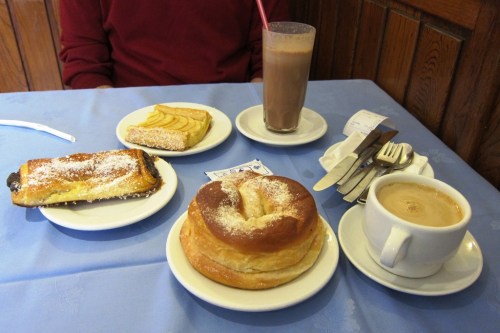
Enaismada (center) from La Mallorquina in Madrid

Ensaimadas originated on the Spanish island of Mallorca, and gained their name from the pork fat used to make them, saïm. The pastry traveled with the Spanish around the world, and throughout the centuries have found their way throughout the Spanish speaking world to Puerto Rico, and to the Philippines, where they are particularly popular. Ensaimadas, due to their richness, are popular to eat around Mardi Gras time, before all the sweets and butter are given up for Lent, so why not whip some up now? Check out this Spanish-style recipe from Delicious Days, or a traditional Cabell d’àngel pumpkin jam-filled version from the Gusty Gourmet. Jun-blog has a recipe for Filippino ensaimadas, which are miniature-sized and made with butter.

Leave a comment

Filed under Holidays, Pastry Post-Poc

Chocolataria Equador: Portuguese chocolates with style

Equador

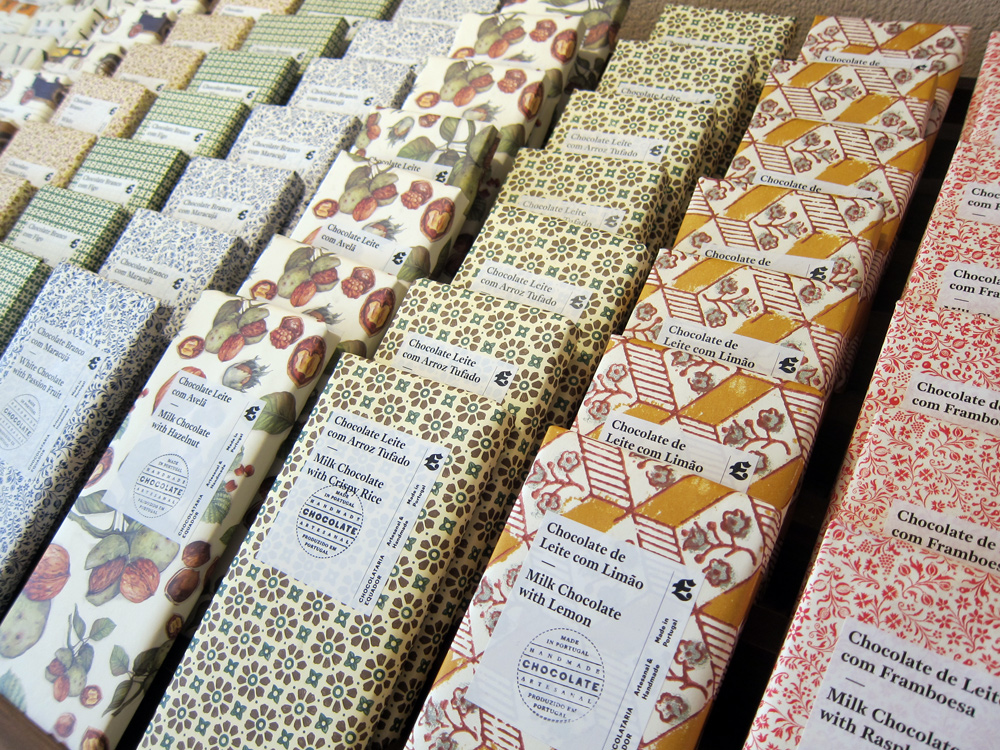
We are going to NYC this weekend, home of one of our favorite chocolate purveyors, Mast Brothers (shop located at 111 N 3rd St, Brooklyn, NY, though you can get the bars elsewhere). Along with having superlative chocolate, we appreciate Mast Brothers’ attention to detail with the clean, simple packaging with interesting papers. While in Lisbon, we came across a store that reminded us a lot of the Mast Brothers’ aesthetic, Chocolataria Equador (Rua da Misericórdia 72, Lisboa). Located in the Chiado district in central Lisbon (with another location in Porto), this elegant and minimalist Portuguese store sells dark, milk and white chocolate bars with flavors including sea salt, port wine, crispy rice and hazelnut, as well as pure bars without any add-ins. The the chocolate is from around the world, but the bars are handmade in Portugal, with beautiful packaging. Though a little pricey, the chocolate bars came in a variety of sizes for appetites big and small. We sampled an 80% single origin bar – which was phenomenal – perfect for those who like their chocolate to be intense. Inside the shop, there is also a counter with beautifully-decorated truffles and other tidbits for a sweet tooth, including a riff on the iconic-in-Portugal chocolate umbrella. Chocolataria Equador is definitely a must-visit for any chocolate (or design) lover in Lisbon.

1 Comment

Filed under Finer Things Club, Reviews

Preparing for Paczki Day in Chicago

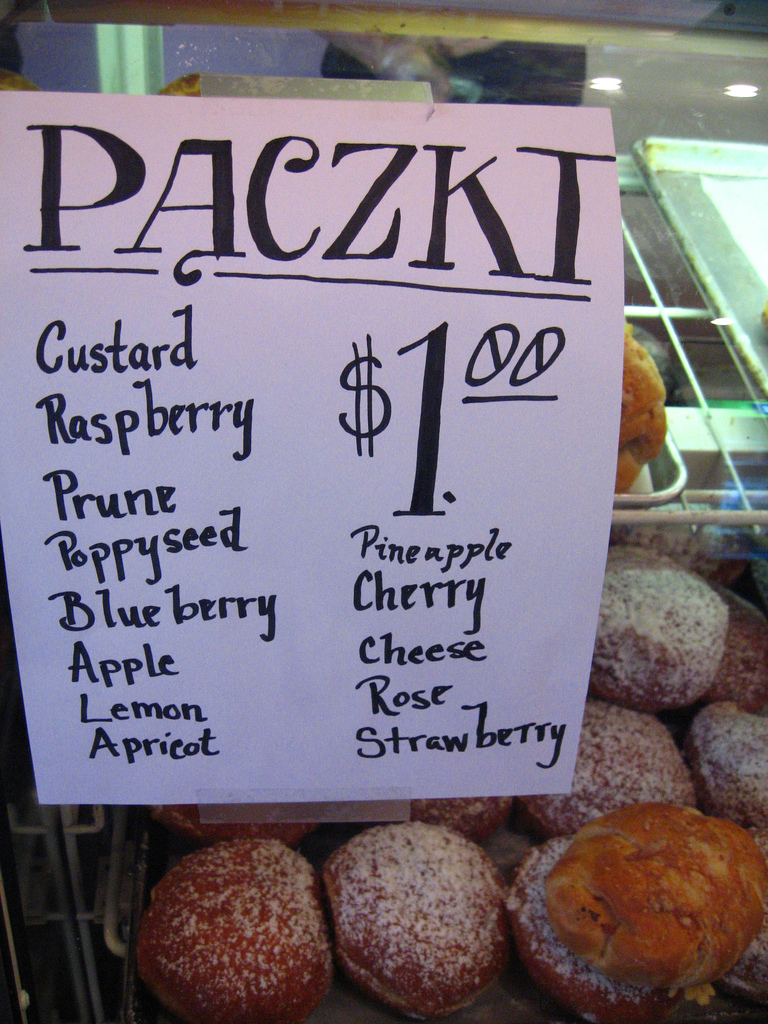
Tomorrow is the Thursday before Mardi Gras – fat Thursday – which means it is paczki day in Chicago – an unofficial holiday which is an opportunity to gorge oneself on Polish filled doughnuts called paczkis. We have done a little bit of paczki coverage over the years, and there are ton of places in the Chicagoland area that serve up great paczkis around this time of year, both traditional and inventively-flavored. Time Out Chicago has a shortlist of paczki bakeries, and DNA info has paczki locations mapped out. Evanston bakery Bennison’s even has a paczki-eating competition on Feb 14 for diehards.
Paczki

2 Comments

Filed under Holidays

Warm Weather Memories of Key Lime Pie

We just returned from Miami, where we enjoyed the warmth, good coffee and the key lime pie, a staple of the region. Key lime pie is a custard pie made from tiny key limes (or often the more common Persian limes that most of us deal with) condensed milk, eggs and with a graham cracker crust. The use of condensed milk was born out of the lack of refrigeration in the area until the 1930s!  Apparently, actually using real key limes is somewhat rare, since many of them were actually destroyed in the 1926 hurricane which devastated Southern Florida. Who knew? Despite key lime pies being available throughout the country (even in Brooklyn), when we visit South Florida we have to sample some of the classics.

wpid-0124151708a.jpg

Why did we leave Southern Florida?

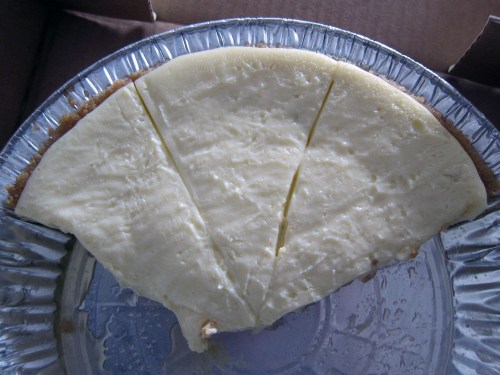
The first pie in the area we sampled was in Key West, at the aptly named Key West Key Lime Pie Company (511 Greene Street, Key West, FL). There are a ton of companies touting Key Lime pie in Key West, but we heard this was the best around (YMMV). The store was shockingly key lime green, which, to be honest, made us want to go inside even more. The only thing for sale were key lime pies and variants of pies, like chocolate-covered pie slices on a stick, and key lime paraphernalia and postcards. We brought back a whole pie and shared it with our friends K and M in Miami, and the pie was great! It was tart and creamy filling (not gel-like as versions some can be) and with a cookie crust. Back in Miami, we also tasted key lime pie from Keys Fisheries (3502 Gulfview Avenue, Marathon, FL). Though made in the keys, these pies are also available from Whole Foods stores in the Miami area. This was an excellent key lime pie, with a pale, creamy filling and a sweet graham cracker crust. We really loved both of these Keys-made pies, and it has inspired us to make one of our own, hopefully soon, to re-capture some of the warm weather. Do you have any favorite key lime pie bakeries or recipes?

KeyLimePie

Keys Fisheries Key Lime Pie – yum!

1 Comment

Filed under Pastry Post-Poc

Pastry Post-doc in Portugal: Escangalhado

CrazyPastryportugalThe name of this pastry says it all. In Portuguese, escangalhado means “messed up” and this pastry is basically a chaotic creation, made up of puff pastry and egg yolk cream. The bottom layer is merely a square layer of puff pastry, on top there is a huge dollop of cream onto which tons of puff pastry shards are stuck, all topped with a flurry of powdered sugar. There is no elegant way to eat this treat. We basically used the puff pastry as chips to scoop up the cream. We saw this special treat at only one location in Lisbon, one of our favorite bakeries, Pastelaria 1800 (Largo do Rato 7, Lisbon, Portugal). Have you ever seen it anywhere else?

Leave a comment

Filed under Pastry Post-Poc

Cake tour of Lisbon

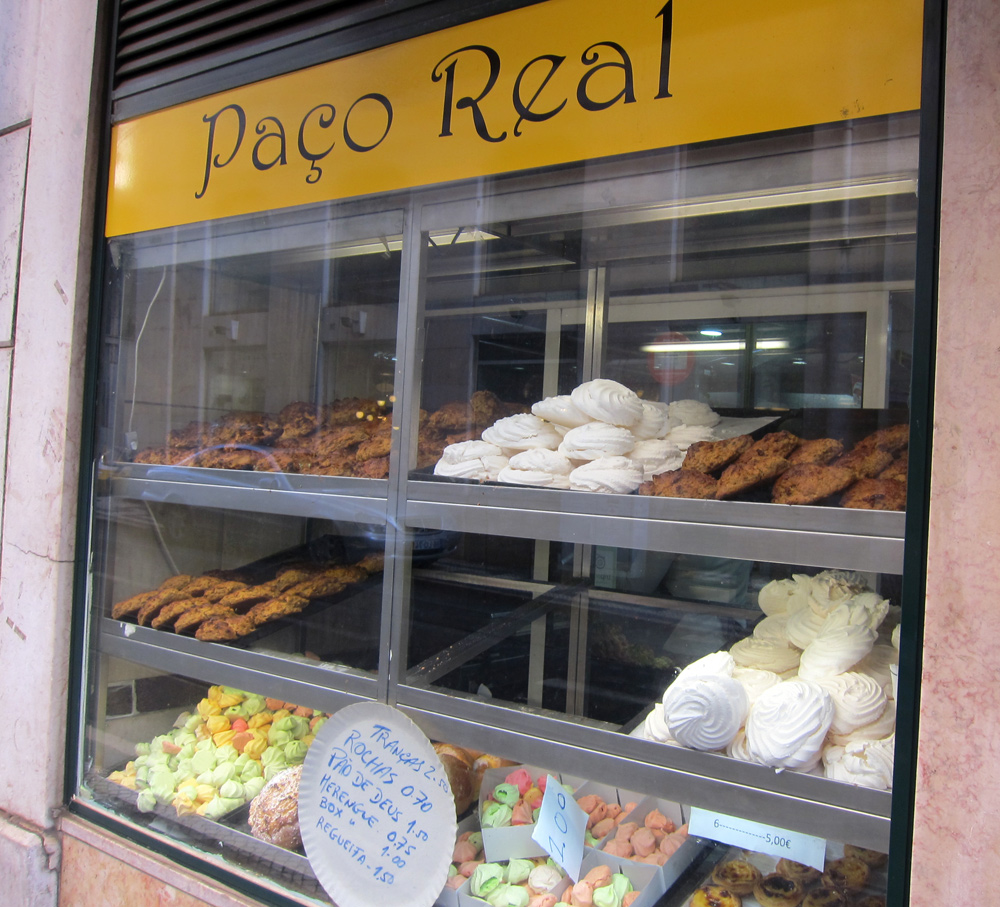
portugalBeing the Portuguese pastry fans we are, we were excited to meet up with one of the masterminds behind the indispensable Portuguese patry guidebook, Fabrico Próprio, Frederico Duarte, for a cake tour. Frederico was generous enough to show us around the city to some hidden bakery gems of Lisbon. While we had previously visited the big names like Versailles and Confeitaria Nacional, Frederico helped us uncover yet another layer of sugary, pastry goodness in Lisbon.PacoRealWe first visited Cafe Paço Real (Rua da Conceição 55) an understated cafe with a full savory menu in addition to the bakery counter, in the heart of Baixa. When you walk in, you will notice one feature immediately: there is an azulejo mural of the ubiquitous Portuguese statesman Marques de Pombal on the wall. However, we were most drawn by the wide variety of pastries on display in the street-facing windows, which Frederico told us was more traditional in bakeries of the north, something we had not noticed to this point. We tried the specialty of the house – a unique treat for us – the rocha (“rock” in Portuguese). These little cakes do indeed have a somewhat craggy appearance, but the texture was almost like a banana bread, unlike a sponge cake or puff pastry. It was cakey, not too sweet, and contained bits of citrus peel and more than a hint of cinnamon. This was a different type of pastry and was a nice change from sugar and egg yolks.
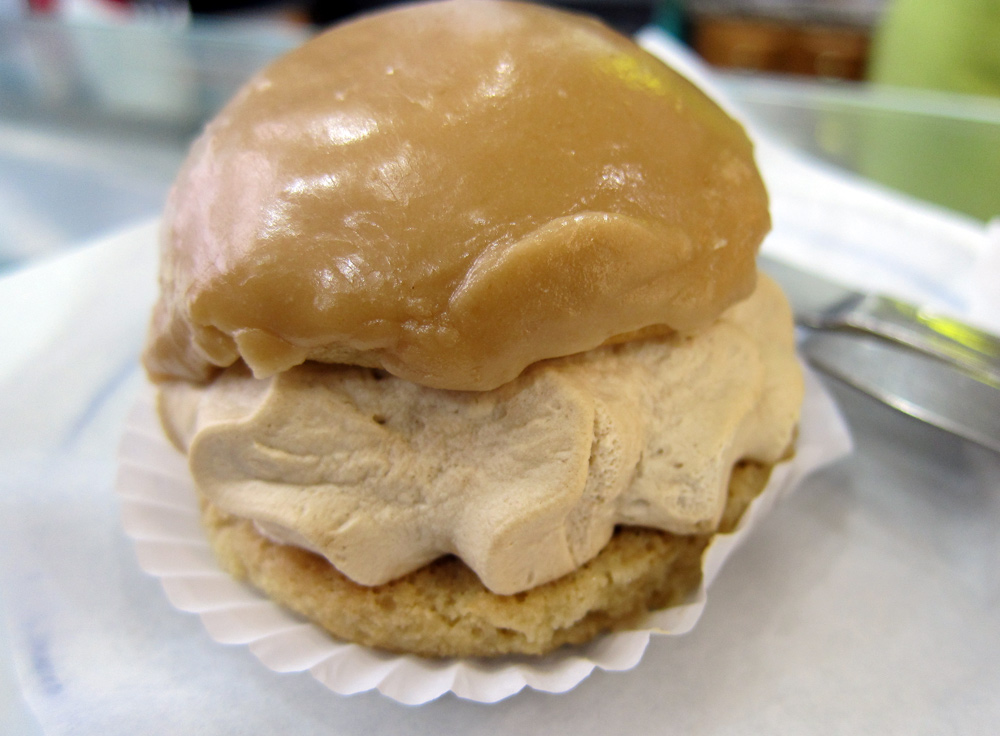
RochaThe next stop on the cake tour was another old school cafe in Baixa that Frederico was familiar with: Cafouro (Rua do Ouro 177), usually spotted by its triangular “Tofa” brand coffee signs. There, Frederico recommended that we try a geladinho, a coffee-flavored version of the Indiano pastry in Fabrico Próprio. This pastry was composed of two layers of cake, split in the middle and filled with a coffee pastry cream and a shiny coffee glaze. The pastry was moist and delicious, and we appreciated the unique coffee flavor, not especially common in traditional Portuguese pastries. Like Paço Real, we definitely appreciated the down-to-earth vibe of Cafouro.
GeladinhaNext, we took the iconic #28 yellow tram up to the School of Hospitality and Tourism of Lisbon, located in Campo de Ourique, in the historic Palácio dos Condes de Paraty. Here, we got a glimpse of future pastry chefs hard at work in the teaching kitchen. Frederico also told us about the techniques manual that you can now buy along with Fabrico Próprio, which makes sense since so many people were intrigued to try the recipes behind the desserts in the book. However, due to the semi-industrial nature of most Portuguese baking, these pastries are not generally meant for a home cook (rats!). Still, we hope to try our hand at making them someday.
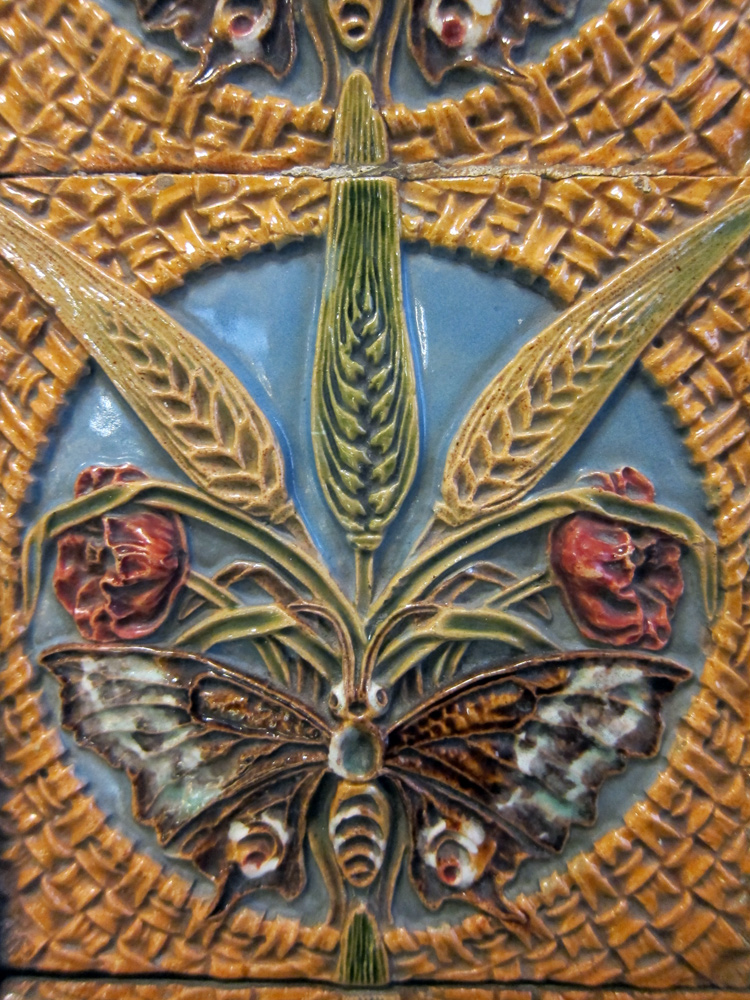
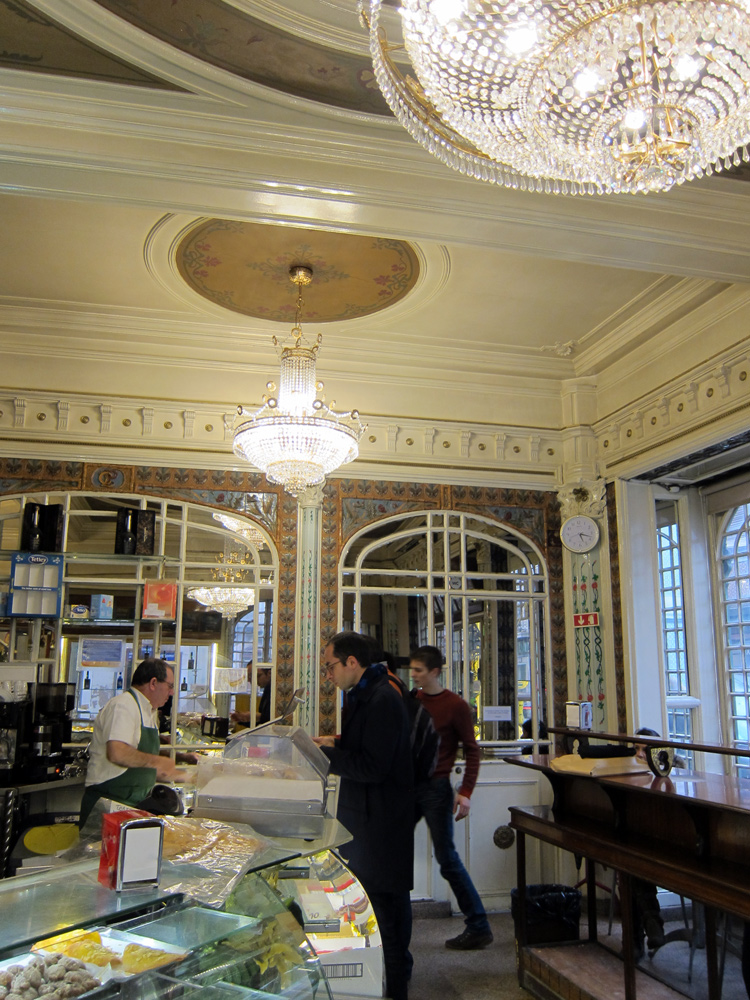
WheatTileAround a nondescript corner we came upon a truly old school cafe, Panificaçao Mecânica (Rua Silva Carvalho 209), our final stop on the cake tour. This was by far the most unusual stop on the tour, a pastry shop crossed with a breadmaker. The opulent setting was the highlight of the cafe, with two large crystal chandeliers and two types of Bordallo Pinheiro azulejos with wheat motifs (seen above and below). We not-so-secretly covet these azulejos for a future kitchen.

Chandalier

The inside was straight art nouveau, with some anachronistic 1950s plastic-y touches. They had a variety of traditional pastries as well as a wall of breads and an unusual streusel from the Alentejo region. We ordered a new-to-us type of cookie, called a Húngaro (yes, after the country Hungary), and a passable Pastel de Nata. The Húngaros were two sugar cookies joined with cherry jelly and coated in chocolate. Another showpiece of the cafe were the bolinhos de Algarve, little marzipan cakes in the shape of fruit, which reminded us of some of the marzipan candies we had seen in Sicily and Naples.

Hungaros

We finished up at one of our favorite Pastelarias for a superlative Pastel de Nata, Pasteleria 1800 (Largo do Rato 7), brightly decorated with yellow, blue and white azulejos. Though not officially on the cake tour, we were excited to return to one of our favorites before parting ways with Frederico. The cake tour was certainly one of our Lisbon trip highlights. We visited bakeries we would have never noticed, thanks to Frederico’s guidance, and gained an even greater appreciation for the world of Portuguese pastries. Thanks so much for showing us around town, Frederico!WheatTile2

1 Comment

Filed under Pastry Post-Poc

A Nutella Round-Up for Nutella Day

NutellaCookie

Happy World Nutella Day! We have written about several Nutella-concept shops throughout the world, and in honor of Nutella Day we wanted to do a little update on a few of these locations. We are sad to report that the Nutellerias  in Germany and Bologna may have closed, while there is a new Nutelleria location in Leiria, Portugal. Additionally, the Nutella concept store in NYC, which we first reported on in Fall 2014, now named Nuteria, has opened one location, and will soon open another [update: they are also being sued by Nutella’s parent company…]. If you are in the mood for some Nutella closer to home, there are certainly a lot of great recipes to tempt you, including these salted dark chocolate Nutella sandwich cookies from Faux Martha (pictured above). Nutella in both the cookie and the filling – seems pretty appropriate for Nutella Day. Or how about a Nutella babka?

1 Comment

Filed under Note, Recipes

Portuguese Pastry Post-doc: Bola de Berlim

BerlimportugalIch bin ein bola de Berlim. Yep, this is an offshoot of the Berliner, the classic German jelly donut. The Bola de Berlim is popular throughout Lisbon, and is a basically a fried donut split and filled with yellow egg yolk-based cream found in many Portuguese pastries, creme pasteleiro. However, we have also seen them filled with chocolate cream, occasionally. The regular and mini-sized classic BdB above are from the Padaria Portuguesa bakery chain, though you can get them pretty much anywhere pastries are sold in Lisbon. M liked these as a Portuguese replacement fix for his beloved American donut (though we saw some bizarre prepackaged versions of “American donuts” in the supermarket as well). You can even make Bola de Berlim of your own at home.

Leave a comment

Filed under Reviews

We’re on Instagram!

MiradouroAlcantaraWe figure we take plenty of pictures of our adventures – so we should put them to even better use. Follow ETW on Instagram here. Let’s be friends!

Leave a comment

Filed under Note

Exotic Portuguese Produce: Anona

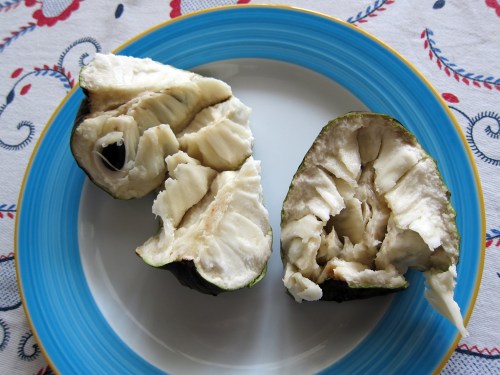
Anona2portugalWhen we were in Brazil we felt like we were in a paradise of exotic fruit, and we certainly tasted a few unique varieties. When we arrived in Portugal, we put our hunt for exotic fruits aside. However, we were stopped in our tracks by an exotic Portuguese fruit that bore a striking resemblance to the Brazilian sugar apple, the anona. When we saw the distinctive green nubby shell in the grocery store we did a double take. It looked like a sugar apple, but with less nubs. The greengrocer informed us it was from the island of Madeira, and was ripe when soft. After two days, we broke the anona open, and like the sugar apple, it had white fleshy nodes surrounding large black seeds. The flavor, while similar, tasted a bit more like banana. We were happy to find the anona though it gave us saudades for the sugar apple.Anona

Leave a comment

Filed under World Eats

Comida de Santo: A taste of Bahia in Lisbon

brazilWe often complain that we can’t find a good moqueca outside the Brazilian state of Bahia. This Northeastern Brazilian coconut milk and palm oil stew is one of our all-time favorite dishes. So when we learned there was a restaurant in Lisbon specializing in Bahian specialties, Comida de Santo (Calçada Engenheiro Miguel Pais 39, 1200 Lisboa, Portugal) we thought we would give a foreign moqueca one last try. Thanks this visit, we were also introduced to the elegant Principe Real neighborhood, where we really enjoyed meandering around the architecturally-interesting streets full of boutiques and antique shops. The restaurant’s name means “food of the saints,” and had an extensive menu featuring food from Bahia and other parts of the Brazilian Northeast, a region of the county whose culture and cuisine has a heavy African influence, and is hard to get outside of Brazil.

Mural

The decor of the cozy restaurant is very cute, we immediately liked the colorful green mural with the armadillo (above), and the classic “namoradeira” woman statue in the window (below). Anyone who has been to Brazil will recognize this statue immediately, since she pops up everywhere. We stared with the standard couvert of bread and olives (€2 – bread and butter is not free with a meal in Portugal), as we perused the menu. We noticed that there were also a smattering dishes from the Minas Gerais region of Brazil, including Mineiran couve (collard greens), we were a little disappointed that there was no pão de queijo available, an essential Minas staple. We waffled among a few of the entrees, including pichanha steak (€18), Carne do Sol (€18) and the requisite bean and meat stew, feijoada (€16.50). However, we knew we had to try at least one moqueca, which came in fish, shrimp and vegetarian varieties. As is our tradition, we went with the shrimp (€20). M was also pleased to find one of his favorite dishes, Xin Xim da galinha (€16), a stew made with shredded chicken. The service, meanwhile, was friendly and efficient

Statue

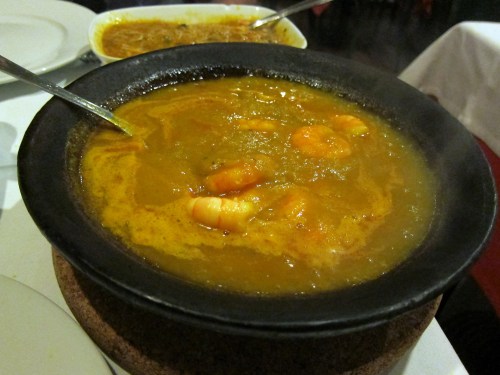
We were pleased that the moqueca came out in a traditional stone dish and was bubbling: a very good sign. Moquecas typically come out with fixings; this one came with the classic farofa, rice, and malagueta sauce. We might have a likes a few more accompaniments like beans and vatapá. The moqueca itself was good, and had a generous amount of palm oil, but maybe needed a little more coconut milk. The xin xim was a hearty portion of shredded chicken with a smoky spiced flavor, and was a welcome and familiar dish we had not found much outside Brazil. The portions were extremely generous, which left us thinking that perhaps one portion was meant for two. Were we not so stuffed we might have made room for the quindim, a egg yolk pudding (€5). While our moqueca experience was perhaps not as transcendent as Axego in Salvador, Comida de Santo gave us heart that there can be hope for an international moqueca. Though we still need to find somewhere to get acaraje abroad!MoquecaLisbon

Leave a comment

Filed under Reviews

The best roast chicken in Lisbon: Frangasqueira Nacional

portugalOur noses led us to the Frangasqueira Nacional (Rua da Imprensa Nacional 117, Lisbon, Portugal). We were on our way to another restaurant in the area when we smelled the delicious roast chicken and spotted the tiny shop down the travessa. We knew we absolutely had to return, so we stopped in a few days later. Though the name is a tongue twister, don’t be intimidated – it just means “national chicken shop.” True to form, all they sell are ribs, sausage and the piece de resistance: roast chickens! Though everything looks great, obviously you are here for the chicken.

Frangasqueira Nacional

Frangasqueira Nacional

This is a take-out-only shop and 2/3rds of the store is given over to a giant charcoal grill with an expert griller manning it. When we popped in on a rainy night, the entire grill was full of spatchcocked chickens with various stages of char, and a small line of hungry Lisboetas. Everything in the shop is sold by weight (chicken is €16 a kilo), along with a small selection of extras including fries, rice, tomato salad, chocolate cake, and a refrigerator of cold drinks and beer. You can get your chicken plain, or with spicy piri piri sauce, which was billed to us as only a little hot (don’t worry it isn’t too hot at all). They are crazy about piri piri in Portugal, a sauce made from malagueta peppers, citrus, lemon and garlic. The non piri piri chicken baste was also flavorful, with a hearty helping of salt and garlic.

Frangasqueira Nacional

Grillmaster at Frangasqueira Nacional

A blackboard informed us that a chicken was usually about 3/4th of a kilo, so over 1.5 pounds, which we figured was more than plenty for the two of us. As you can see, unlike in the US, these chickens appeared to be of a normal size. With a side of rice, our whole meal clocked in at less than €12. Don’t worry about having to cart home an unwieldy bird: the grillmaster had a huge pair of scissors with which he cut the chicken into about 8 pieces expertly and efficiently. This seemed like the perfect size for us, but if you would prefer a sampler, there are a variety of deals where you can get a combination of meats for well less than €10.

Frangasqueira Nacional

Chicken’s ready!

There is no place to sit inside the shop, but if the weather is nice, a perfect place in would be in the elegant Príncipe Real garden, which is only a few block away and has an awesome quiosque. We opted to take ours home, where it fed us for 2 meals! Even after a half hour subway ride home: the chicken was delicious, juicy with a crispy skin. It was amazing and certainly one of the best roast chickens we have ever had! We are so happy we found the Franguesqueira, it has become one of our go-to Lisbon places. If you are in the mood for a good, cheap and comforting meal, we can’t think of a better deal in the city.

2 Comments

Filed under Reviews

LIS > MIA > ORD

image

Palm Beach at dusk

We are finally back from our sojourn to Lisbon, and managed to fit in a weekend in Miami with friends and family along the way back to Chicago. While it’s nice to be back home, the sunny Florida scene pictured above makes us wonder if we really should have come back to brave another Chicago winter. Recaps of our Lisbon and Miami adventures coming soon!

Leave a comment

Filed under Note

Mozambique in Lisbon: Cantinho do Aziz

Restaurante Cantinho do Aziz
Rua das Fontaínhas de São Lourenço 5
Lisbon, Portugal

Mozambique

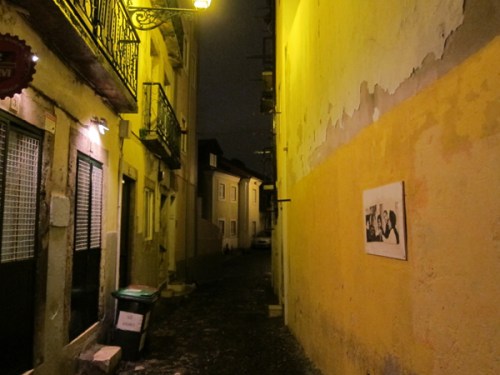
If you’re looking for fantastic Portuguese food, Lisbon is the place. But Lisbon is also an excellent one-stop option if you are looking from food from other Portuguese-speaking countries. In previous visits to Lisbon we have sampled Cape Verdean, Angolan, and Goan (Indian) cuisine, but Cantinho do Aziz was our first experience with Mozambican food. We had heard nothing but good things about Cantinho do Aziz, so were excited to check it out. Be forewarned: the place is a little hard to find, located on a narrow street in the old, labyrinthine Mouraria district of Lisbon, up flights of stairs from the Martim Moniz Largo, a hotbed of Indian and African shops and culture. You have found your destination
IMG_9108

In the middle of winter, Cantinho do Aziz, seems to be a small restaurant. Tucked away in the building shown above, Aziz, the amiable and gregarious owner, would later assure us that during the warmer months hundreds of people dine here each evening, in the huge outdoor seating area that was currently closed, listening to Mozambican and Cape Verdean music while they enjoyed their meals. Indeed, if we ever come back we will surely eat outside; but even so, the Aziz’s menu had a ton of delicious-sounding options, many of which were totally new to us. Aziz was more than happy to guide us through the menu and tell us about the restaurant, which had been on the same site for decades. Aziz recommened the charmussas (€1) to start, a word related to the Indian samosa – a cognate that should already clue in diners to the fascinating history of cultural exchange in the Indian Ocean that infuses Mozambican cuisine. Indeed, we ordered two charmussas, one vegetarian and one beef, and in biting into his, M stated that it “tastes like the Indian Ocean.” Being a fire-breather, he was also a huge fan of the potent and flavorful habanero pepper sauce that accompanied the charmussas.

IMG_9102

For entrees, we went with the Zambezi chicken (named for the river that flows to the Indian Ocean through central Mozambique) and the makoufe. The Zambezi chicken (€5) was similar to the roast chicken we had at the Angolan restaurant Moamba and featured a charred, flavorful skin. The makoufe (€9), voted the best dish in Lisbon by Time Out magazine in 2013, was the more complex option and definitely lived up to its billing. Reminding us of a Brazilian moqueca, makoufe stews generous portions of crab, shrimp and greens together with palm oil and coconut milk. Both dishes were delicious and heavily spiced (but not spicy). We were also impressed by the number of vegetarian dishes and appetizers on offer. The Cantinho drew a diverse crowd, and Aziz noted that it was even a popular lunch spot for workers from the American embassy. We can easily see why – we ate like kings for less than €20!

IMG_9104

Though we were pretty full, we could not resist getting some dessert – cashew fruit mousse. We first encountered the cashew fruit (yep, where the nut comes from) in Brazil, and were perplexed by its sweet cross of citrus, papaya and nut flavors. It stood up pretty well in mousse, too!

IMG_9106

Mozambican cuisine was definitely a unique combination of global influences we had never tasted before, and Cantinho do Aziz was the perfect place to try it. We were blown away by the tastiness, quality and low prices at Cantinho do Aziz. It is the perfect, friendly local option for fans of any cuisine. We hope to go back someday in nice weather to eat outside!
Cantinho do Aziz

Leave a comment

Filed under Reviews