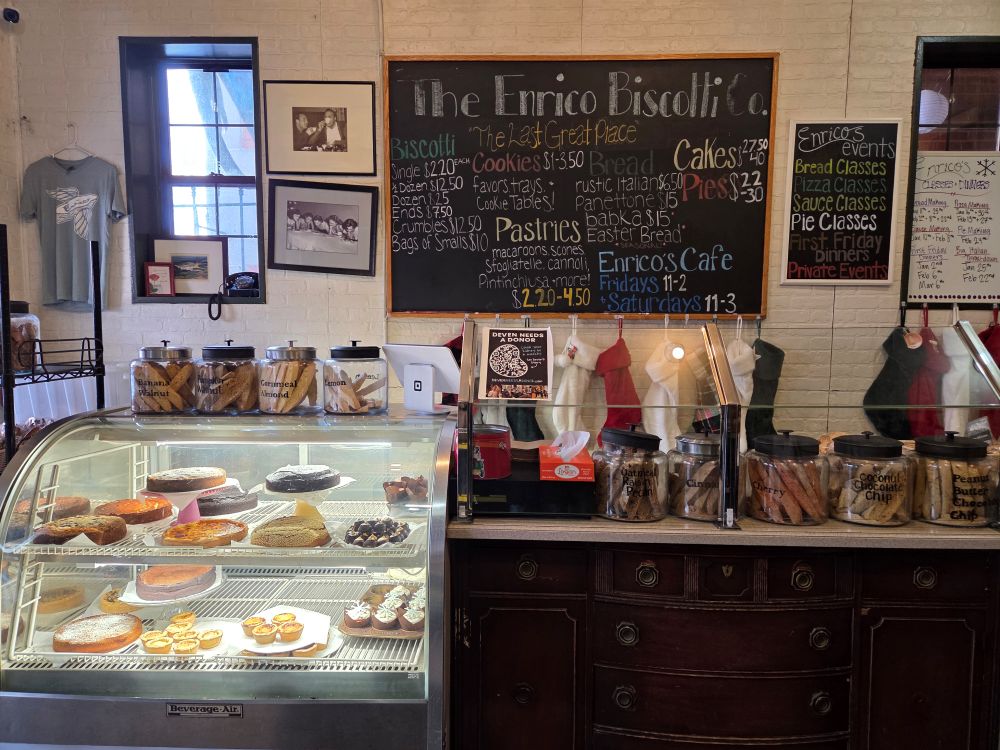
One of the last places we thought we would encounter a regional Calabrian pastry was Pittsburgh, but here we are! I consider myself to be very conversant in Italian Dolci Tipici, but I am always delighted to learn of some new sweet. This past weekend when we were in Pittsburgh for a brief work trip, we encountered a Calabrian pastry, pintinchiusa, at the Enrico Biscotti Company (2022 Penn Ave, Pittsburgh, PA 15222). We have never been to Calabria, nor have we even seen this particular pastry available at all in the United States before. When doing a little digging we were interested to see that Pittsburgh and Western Pennsylvania had a significant contingent of Italians from Calabria who came over to work in mines and other heavy industry. M’s Calabrian side has roots in far Eastern Ohio, near Pittsburgh, and were probably part of this same wave of migration.
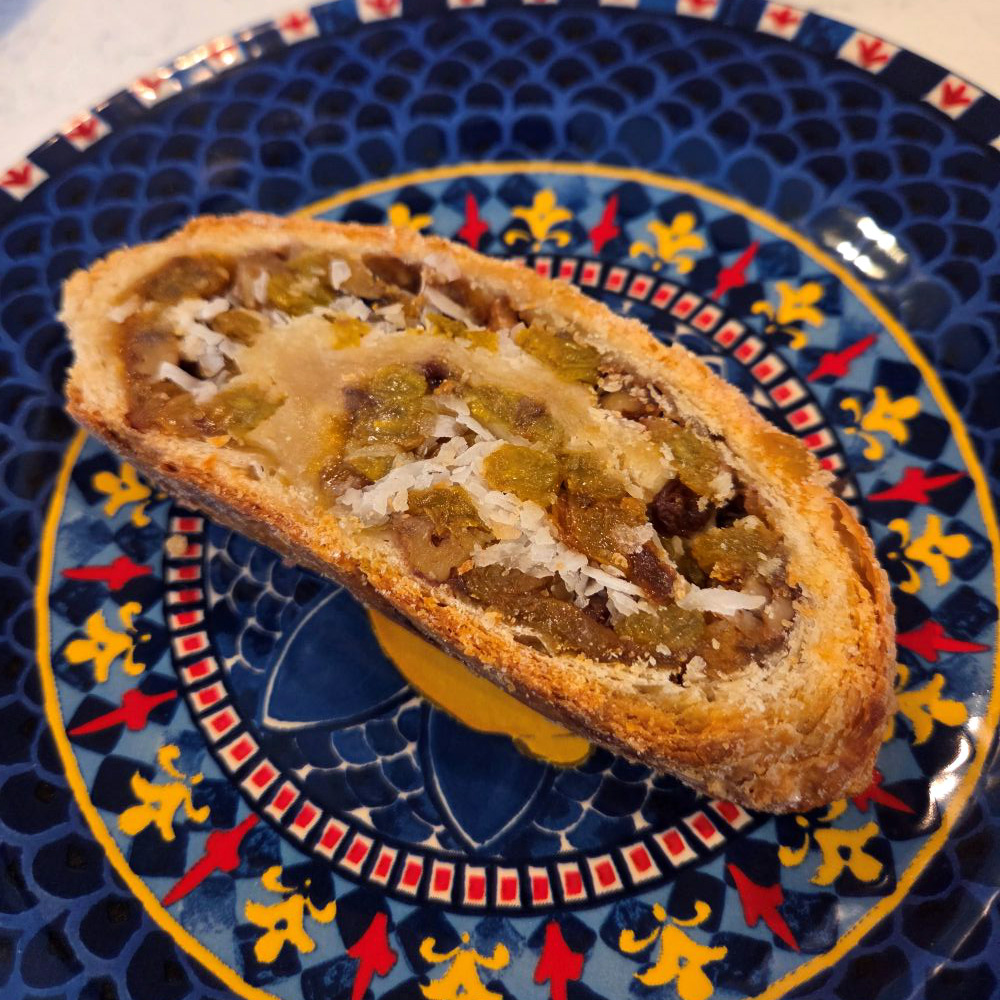
The name of this sweet treat appears to be spelled a myriad of ways between standard Italian and Calabrian (and even then, not terribly standard). We saw it spelled as Pitta ‘Mpigliata, Pitta ‘nchiusa, Pintinchuisa, among others. Pintinchuisa, as it is spelled at Enrico’s, is a flaky rolled rosette-shaped pastry filled with raisins, nuts, and warming spices like cinnamon. Enrico’s version also had coconut, which seems to be a special touch. Though different in appearance, in some ways Pintinchuisa reminds me of the traditional Sicilian Christmas cookie, cuccidati, also filled with nuts, citrus peel, and spices. Much like cuccidati, pintinchiusa are commonly eaten at Christmastime. This Christmas we might even consider adding it to our repertoire! You can find recipes for Pintinchuisa at Italian Food Forever, Great Italian Chefs, and Sonia Peronaci (in Italian).
One of the most exciting recent food developments in the Cleveland area is the plethora of new Yemeni cafes popping up in the city and suburbs. Apparently the growth of Yemeni cafes is a trend throughout the US, and not just in Northeast Ohio. Yemen is considered to be the home of the coffee trade, so it is perhaps unsurprising that the country boasts a vibrant cafe culture, which has also come to the US in recent years. Two new Yemeni cafes in the Cleveland Area include Shibam Coffee (26745 Brookpark Ext, North Olmsted, OH 44070) and Qawah House (25102 Brookpark Rd #146, North Olmsted, OH 44070). Both of these locations appear to be part of mini-chains with locations throughout the US.
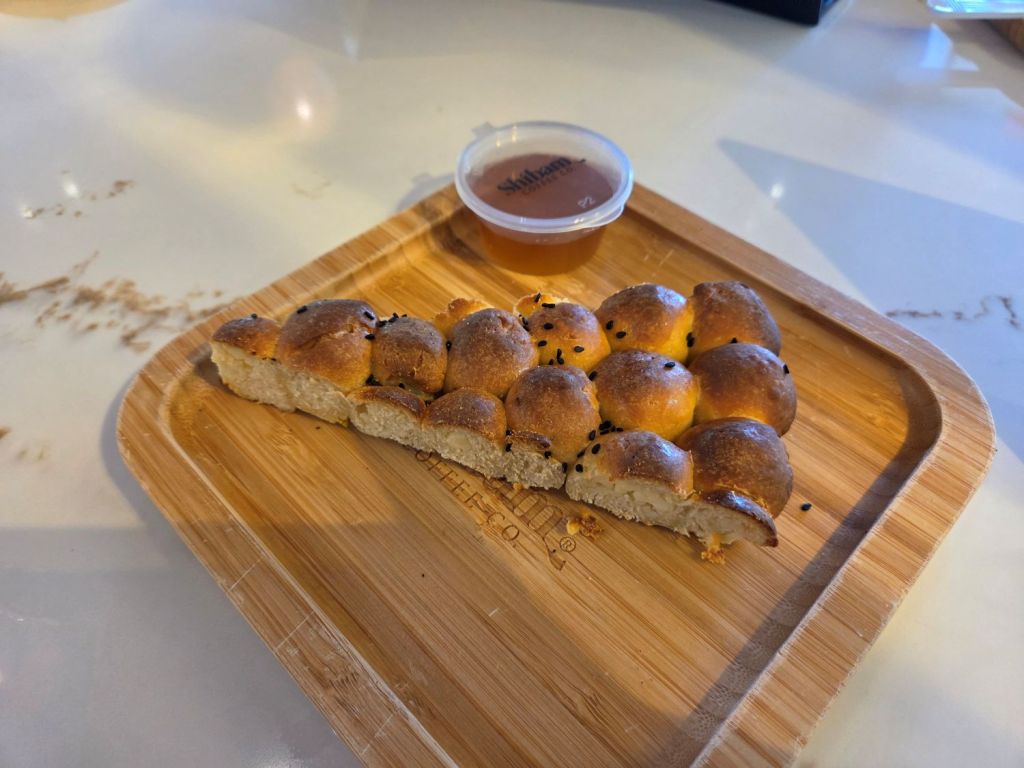
The Honeycomb Bread from Shibam Coffee in North Olmsted, OH
The delicious and strong coffee and tea, elegant surroundings, and late operating hours are the main draws to these Yemeni cafes. However, another major attraction is a new-to-us dessert: “honeycomb” cake/bread, more properly known as Khaliat Nahal / Nahl. Khaliat Nahal (which literally means “bee’s hive/beehive” in Arabic) is a classic Yemeni dessert that seems to be on offer at all of these cafes, often alongside crepes, cookies, or milk cakes (another Middle Eastern specialty based on the Latin American tres leches cake). Khaliat Nahal is a leavened bread with a cream cheese filling, topped with honey and sesame and/or nigella seeds. It is formed from pull-apart pieces of dough shaped in a round honeycomb-like pattern (which reminds us of a more-organized monkey bread). There is something extremely visually satisfying about this geometric bread, and we like that you can sometimes customize how sweet you want it to by adding your own honey topping. If you are feeling ambitious you can even make your own honeycomb bread at home! Check out these recipes from Strawberry in the Desert and Every Little Crumb. For now, I think we will look forward to getting this sweet bread at our local Yemeni cafes as a special treat.
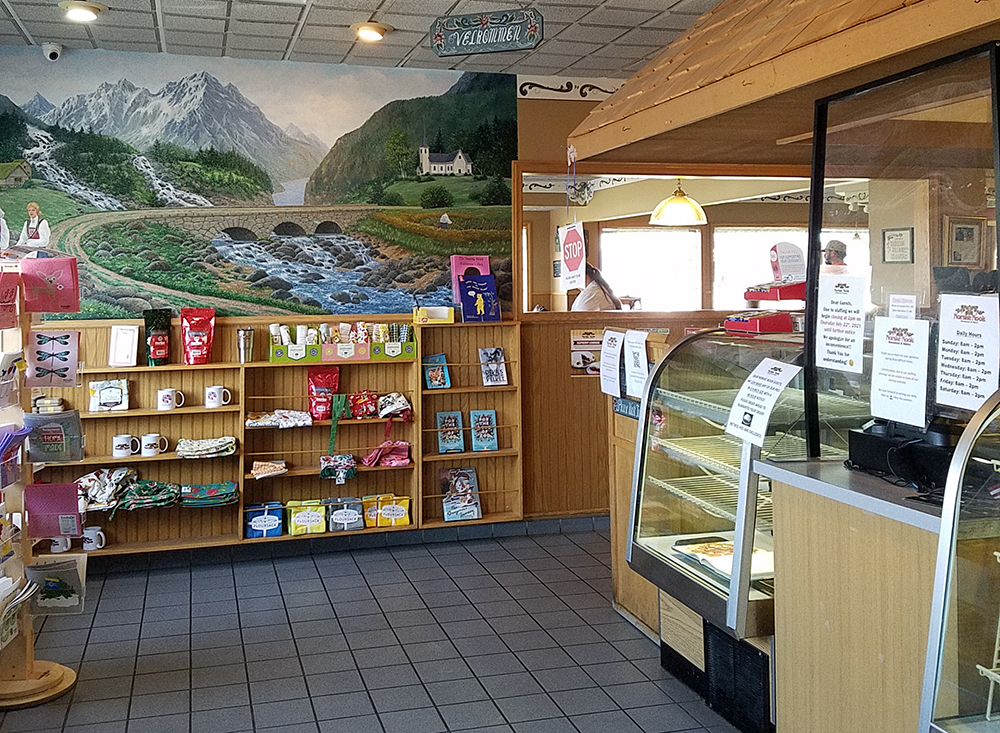
Though Swedish cuisine was amply represented in Chicago, we had been on the look out for Norwegian food for a while. Fortunately, we were driving to “Up North” Minnesota for a dear friend’s wedding, so we were able to drive near the Norwegian food stalwart, the Norsk Nook in Wisconsin (2900 Pioneer Avenue, Rice Lake, WI). With Syttende Mai, Norway’s Constitution Day approaching on May 17, we thought it would be an appropriate time to recap our delicious visit. It is perhaps unsurprising that we had to drive to the heart of central Wisconsin to find Norwegian food, as this area, along with Minnesota in the Upper Midwest was the heart of Norwegian immigration to the US.
The original branch of Norsk Nook in Osseo, WI was founded by Helen Myhre in 1973, and the Norsk Nook empire has grown to 3 locations today. At Norsk Nook one of the signature treats on offer is pie, which is not necessarily a Norwegian classic, but certainly is a Midwestern one. The pies were available in a staggering variety of flavors, by the slice or a whole pie, both of which were enticingly displayed in a retro-looking pie case. We got apple/lingonberry and blueberry with a crumble topping, both of which we highly recommend. The crust was buttery and flaky, and the delicious filling was impeccably fresh. Though we did not try them, the sky-high meringue pies also looked particularly scrumptious, and these were only a few of the dozens of varieties available. The pies are also available to pre-order online and Norsk Nook has its own pie cookbook.
Alongside a super-full bakery case, Norsk Nook also boasts a dine-in section with a menu full of American classics alongside a few Norwegian specialties. In terms of Norwegian options, you can get Norwegian pancakes topped with blueberry, lingonberry, or strawberry, or try an order of potato pancakes. Also on offer are Norwegian lefse, thin crepes made from potatoes. You can pre-order lefse in store or online, or try them as wraps in the restaurant. If you want to go all out with the Norwegian flavor, you can get a lefse full of fried smelts, though chicken and roast beef are also available, among other options. We took both our lefse wraps and our pieces of pie on the road, but everything was still delicious
Attached to the bakery is a small store stocked with assorted Scandinavian specialties, and plenty of Norsk Nook branded swag (much of it with a pie theme). A unique option to bring home is the wild rice and cranberry bread, which also gives a culinary nod to the Indigenous heritage in the region. Definitely make a detour to stop at Norsk Nook on your next Midwest roadtrip, especially if you are a pie lover!
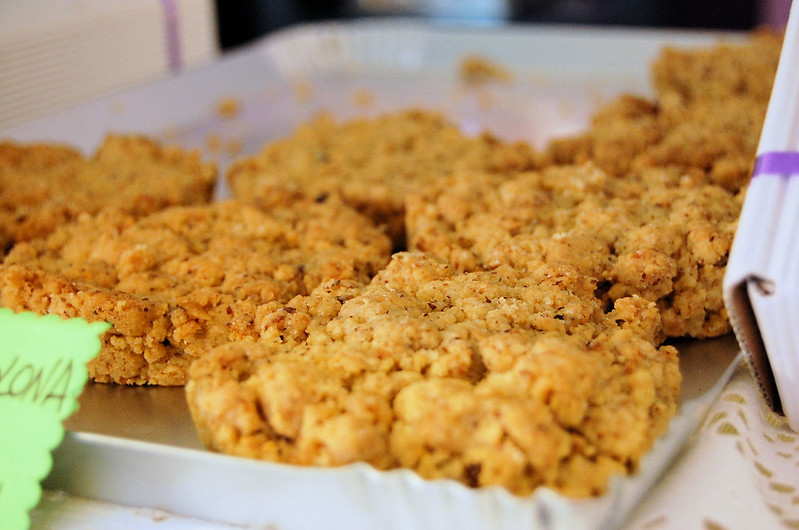
One of our essential tasks whenever we are visiting a new location is to sample some of their typical local sweets, known in Italy as dolci tipici. When we visited Lombardy, the Northern Italian region including Milan and Lake Como, we were exposed to an Italian cake that was very different than any other we had tried: Sbrisolona. The crumbly cake was make with almonds (not unusual for Italy) and cornmeal (a bit more unusual). Polenta – cooked ground cornmeal – is popular in the north of Italy, so I guess we shouldn’t be surprised that it found its way into some Northern Italian sweets as well. The true home of the sbrisolona is the city of Mantua / Mantova, where it has become an icon, later spreading past its borders, and across the region. In Lake Como, we sampled Sbrisolona for the first time, and we were intrigued by its crumbly, slightly sandy consistency, which was really different than any cake we had tried before (somewhat more akin to a streusel topping in bar/cake format). This is the perfect cake to eat for breakfast or with a cup of tea, as it is substantial and not too sweet. There is also a recipe for sbrisolona cookies in Dorie Greenspan’s Dorie’s Cookiescookbook. David Lebovitz and La Cucina Italiana also have good recipes for this super-simple cake.
Saint Lucia, a small island nation in the eastern Caribbean with a population of less than 200,000 people, does not have a large diaspora population. But in the Dalston neighborhood of London, one finds a little but popular outpost of Saint Lucia in Rainbow Bakery. Established in 1987, Rainbow bills itself as the only Saint Lucian establishment in the United Kingdom; indeed, it’s likely one of the very few located outside of the island. And even better, it is well worth a visit for excellent baked goods and drinks.
Newcomers to the cuisines of the eastern Caribbean can sometimes miss the subtleties of the food distinctions between the islands; they can be forgiven, given the long history of exchange and connection between the islands. But Rainbow is unabashedly Saint Lucian. A large Saint Lucian flag hangs over the main ordering area, and all the drinks on offer in their fridge are imported directly from Saint Lucia.
At front, food for order is set up in a bakery case: savories on the left and sweets on the right. Upon getting to the front – there were six in front of me on this busy morning in a clearly popular spot – the man behind the counter said, “First time?” “Yes,” I said, “what should I pick?” Going past the appetizing but probably-too-filling option of an oxtail plate served with mac and cheese and greens, as well as a chicken roti – both staple dishes of Saint Lucian cuisine – I went with their Friday- and Saturday-only special: a “meat loaf,” a kind of medium-dense baked bread filled, in this case, with succulent curried lamb.
For sweets, there was a slew of options: sweet rolls with raisins; a cinnamon and nutmeg cake; baked sweet pastries; but I went with a spice bun: a dense, brown ball of baked rough flavored with seemingly every spice available in Saint Lucia (the helpful man behind the counter listed the spice ingredients, of which there were at least fifteen), plus raisins.
Both dishes were delectable. For a beverage, I grabbed a peanut-flavored seamoss drink (soursop and pure seamoss flavors were also on offer); imported directly from Saint Lucia and complete with the national flag and the island’s outline on the bottle. Excited when I brought it to the counter, the server explained to me how it was made from fermented seaweed steeped in water and then strained; he even had a pack of the leaves behind the counter to demonstrate. He described it as “Taste: 4 out of 10” but “Health: 10 out of 10.” I ended up disagreeing: it tasted to me like a slightly less sweet horchata with some added peanut; or maybe a kind of thinned-out bottled satay sauce. Could have drank another bottle easily if I weren’t so stuffed from the lunch.
Rainbow’s location exemplifies the history of its neighborhood. Rainbow is just a block from the C.L.R. James Library, named for the influential Trinidadian historian and activist who moved to London in 1933, and where he wrote a series of critical works on Caribbean history with a Marxist bent. Rainbow is also around the corner from the Overground line station. Installed in 2011 (ahead of the London Olympics), Dalston’s new public transport connection to downtown has contributed to rapid gentrification in recent years. After carrying my food out of Rainbow, I walked over to a small picnic area in front of the library where I could enjoy all my treats in peace: the freshly-warmed meat loaf; the roll; and the seamoss drink. Personally, we felt this was the best Caribbean bakery we had been to of those we had tried previously (all in New York). And there are more to try, including Grenadian options (which would be a new country for us!) in London, New York, and Toronto. We hope to hit at least one of those in future years. But we’ll be telling others to head to Rainbow in London for unique Saint Lucian offerings, hospitality, and great food.
I am shocked that I do not have a post for Angelo Brocato yet, particularly since it may be our platonic ideal of an Italian bakery in America. First of all, you are greeted by an amazing vintage neon sign. Second, the shop has operated continuously since 1905 (not at this particular location the whole time) and thirdly, it is simply delicious! Every time we visit New Orleans, we have to give their flagship store a visit (214 N Carrollton Ave, New Orleans, LA 70119, there is also a new branch with ice cream only in the MSY airport). In fact, Angelo Brocato was one of the last places we visited before COVID-19 shut everything down in February 2020. We were so happy to return in 2023!
Though we think of it primarily as a bakery, Angelo Brocato is also a coffee shop and ice cream parlor. The old school copper espresso maker is serious, and you can get any number of classic espresso drinks. However, ice cream was their original claim to fame. A native of Cefalù, Angelo Brocato himself got his start making gelato in Palermo, Sicily before emigrating to New Orleans. The original Angelo Brocato shop opened in the French Quarter in 1905, when it was a hub of New Orleans’ Sicilian immigration wave. Befittingly, there is still gelato on offer by the cup or pint, but also some of the more old-school frozen sliced ice cream treats, which you rarely find anywhere else. These vintage ice cream specialties include torroncino, vanilla and cinnamon; spumoni, pistachio, almond, and tutti frutti; and the cassata, spumoni with a cake layer.
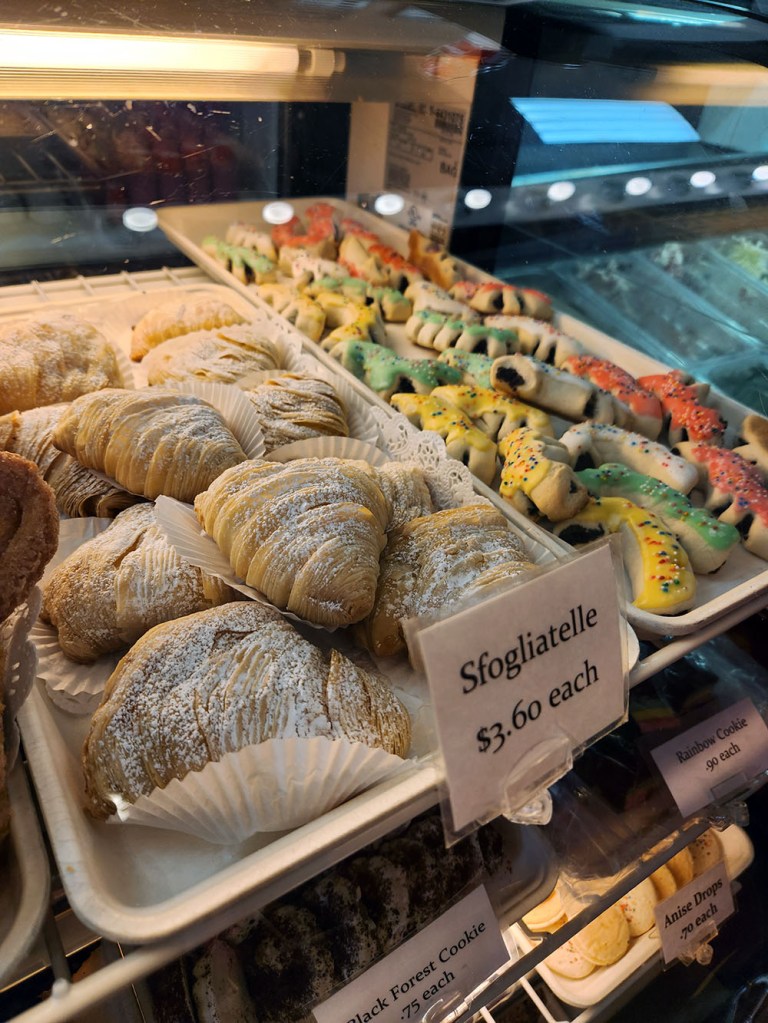
Of course, they also have many pastries, Italian and otherwise: rum baba, cream puffs, eclairs, mini cassata cakes, and holiday specials like the St. Joseph’s Day zeppole. The cannoli are filled to order with the somewhat unorthodox half chocolate and half vanilla cream by default. All of the pastries are delicious, and who can resist a fresh cannolo? This time around, we tried the eclairs for the first time, and M particularly approved, especially since it was filled with chocolate cream. The sfogliatelle are one of L’s favorites, and she also appreciates how they are one of the few places where you can get an authentic mini Sicilian cassata cake (covered in green marzipan and filled with cake and cream – similar to Swedish princesstarta).
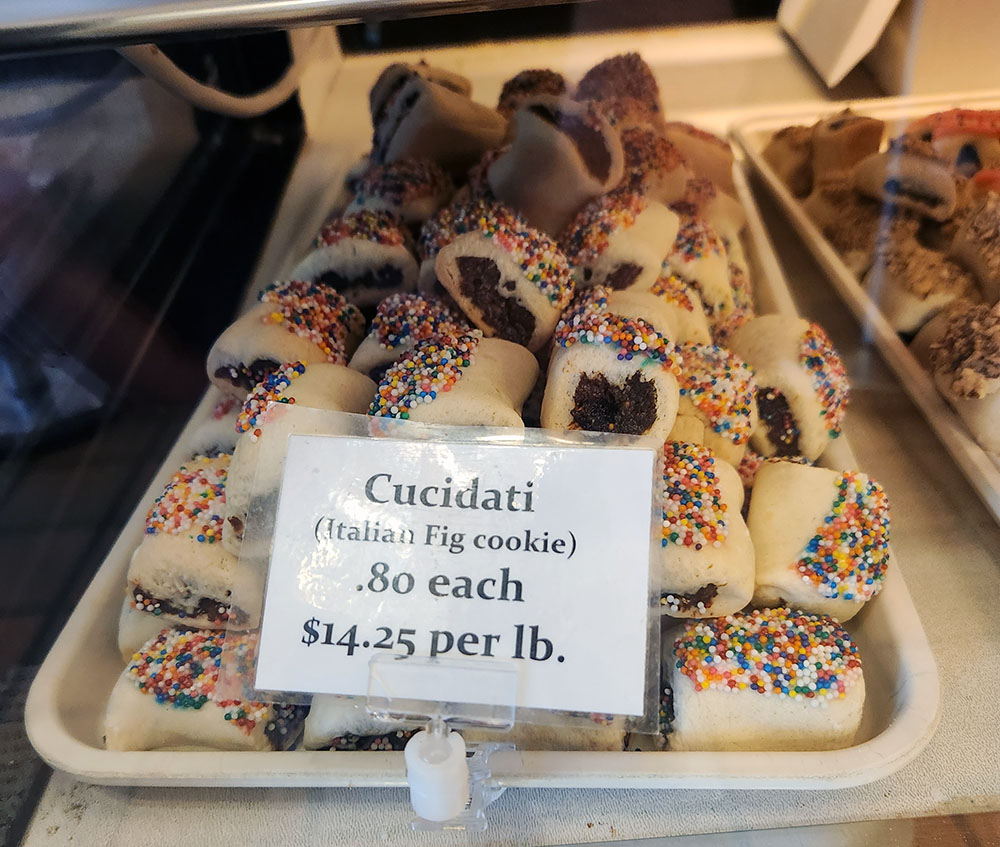
However, our favorite treats at Angelo Brocato are the full assortment of Italian cookies, of course. There are dozens of varieties on offer: cuccidati, pignoli, rainbow cookies, biscotti, ricotta cookies, chocolate drops, etc. They also have some rarer varieties like nucotoli (cinnamon spice cookies). You can buy cookies by the piece, pound, or even in sealed packages for some of the more popular varieties. The Sicilian representation in the cookie varieties is significant, and we particularly love their cuccidati and biscotti regina, both of which are staples for St. Joseph’s Day.
We were surprised to learn that Brocato’s moved to their current location only in the 1970s, due to its vintage flair. The store boasts a small amount of seating, but be prepared, because it is not unusual for there to be a sizable wait to order, and to get a table. On St. Joseph’s Day weekend, there was a line out the door both times we visited. Despite the crowd, it is also an interesting time to go, since on St. Joseph’s Day, they even have an altar in the back, showing the traditional elements: shaped breads, fava beans, cookies, etc.. Remaining a local staple for over 100 years, Angelo Brocato will always be one of our New Orleans must-dos. It is a great place to satiate your sweet tooth, and get a taste of bygone Sicilian New Orleans.
When we drove to New York last month, our route took us through Newark. Newark has a very large Portuguese community, and as a result, has some of the highest per capita availability of Pasteis de Nata (in our estimation). The Ironbound neighborhood, in particular, is a stronghold of Portuguese identity, and is home to dozens of bakeries serving these Portuguese cream tarts. While traveling in and out of Newark, we were able to sample a variety of local bakeries, from the under-the-radar, to the more well-known. As with our previous Pastel de Nata ratings we assessed the pasteis on the texture and consistency of the filling, the flakiness of the crust, the value, and of course, the overall flavor.
Among those pasteis de nata sampled in Newark, the clear winner was Canela (180 Wilson Avenue, Newark, NJ). When we sat down at Canela, they were out of pasteis, and cooked us up a fresh batch from scratch. The name of the bakery means “cinnamon” in Portuguese, and the tarts are given a customary dusting of cinnamon when fresh out of the oven. It is not advisable to eat pasteis de nata piping hot, so we let them cool down a little bit before tasting. Though perhaps a little bit deeper than those we have eaten in Lisbon, the crust was flaky and solid, the cream was smooth and flavorful, and the nata boasted a nicely broiled top. All of the elements added up to more than the sum of their parts, the true test of a successful pastel de nata. These were some superlative pasteis, and we had to struggle in order to not eat all of our pastel haul at once.
On the second time we visited Canela, we chatted with the proprietor who said that he himself once worked at Pasteis de Belem, perhaps the most famous purveyor of pasteis de nata, located just outside of Lisbon. However we found that Canela’s were much better! And the quality was no fluke, Canela’s offering were just as good the second time around. There are other pastries, coffee, and salty snacks (salgadinhos in Portuguese) available at Canela, including coixnhas, however we were so enchanted with the Pasteis de Nata that we didn’t even sample anything else. Canela is cash only so make sure you are prepared in advance, and the pasteis will only set you back $1.75 apiece. Trust us, it will be worth the trip: this was definitely one of the best pasteis de nata we have ever had in America!
Between the two of us, M has the stronger love of pumpkin spice, and every Fall he has to get his fill of this seasonal flavor. What Americans now call pumpkin spice – a variable mix of cinnamon, ginger, nutmeg and clove – is similar to many spice blends around the world, and we just learned of another international pumpkin spice cousin: Neapolitan Pisto (Italian Wikipedia). The key ingredients of the Pisto spice blend are cinnamon, nutmeg, cloves, star anise, and coriander. Pisto is a key component of the popular Roccoco and Mostaccioli (below) cookies, which are eaten around the Christmas holidays. Mostaccioli [recipe] are diamond-shaped spicy cookies coated in chocolate, and Roccoco [recipe] are ring shaped with candied fruit. Other Neapolitan holiday cookies like susamielli use Pisto as a major component. You can buy pre-blended Pisto in Naples, but we have never seen it for sale in the US. Fortunately, you can find recipes online like this one from SBS / Italian Street Food.
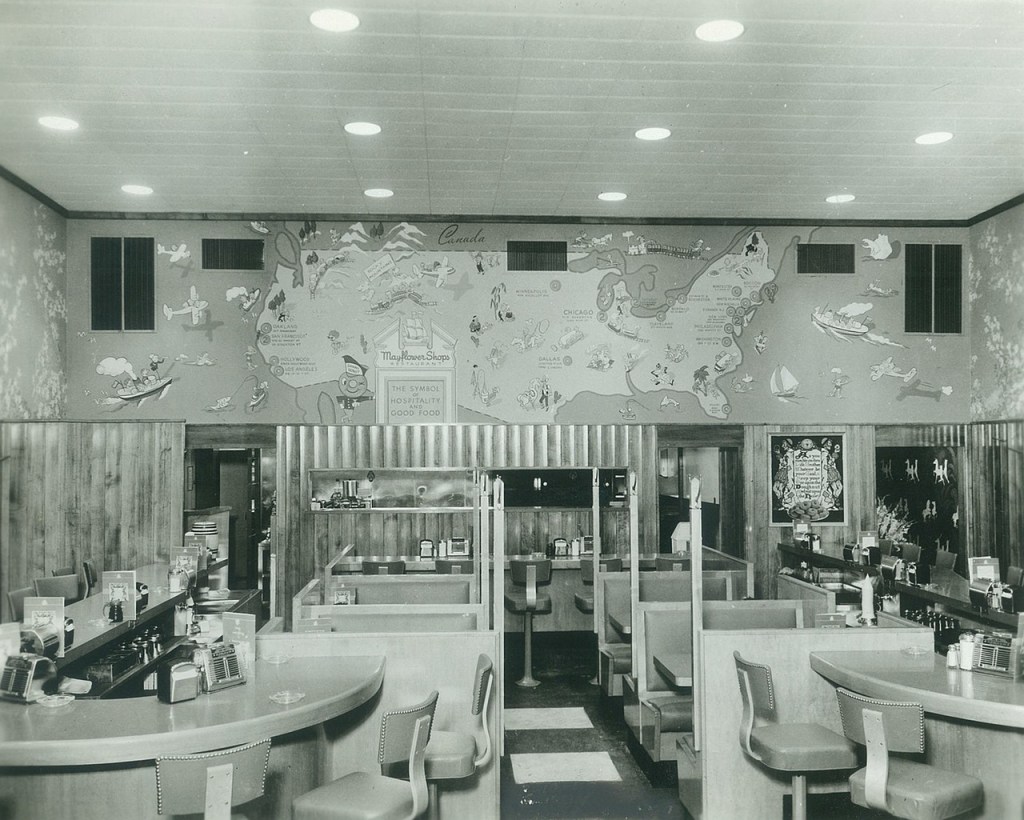
I came across this intriguing bit of ephemera in a scrapbook dating to the 1930s, and I became curious about its origin. Turns out this “Optimist’s Creed” is a longstanding advertising campaign of Mayflower Donuts. It seems equally at home in the Great Depression as it does in 2020, doesn’t it? Mayflower Donuts was founded by Doughnut impresario Adolph Levitt in New York in 1931, and eventually blossomed into a chain of Mayflower Doughnut shops across the US. Levitt had previously invented an automatic doughnut fryer, which he sold to other doughnut shops around the US, eventually opening up his own Mayflower chain. Mayflower featured prominently at World’s Fairs throughout the 1930s, including Chicago in 1933-4 and New York in 1939-40, as the company tried to drum up publicity. You can see the Optimist’s Creed hung on the wall of a Chicago Mayflower shop circa 1949, from Calumet 412. Despite its former popularity, as of this writing in 2020, the Mayflower chain seems to have disappeared. If you are a fan of the Optimists’ Creed you can buy a mug or print from Vintage Menu Art.
September 7th is an important day in Brazil: it is both Brazilian Independence Day and a festival day for Yemanjá, the goddess of the sea in the Afro-Brazilian religion of Candomblé. It is traditional to serve white foods for Yemanjá, including creams, hominy-like canjica, and rice pudding (info link in Portuguese). One popular dish for Yemanjá is Manjar Branco / Manjar de Coco (coconut pudding, not to be confused with Peru’s Manjar Blanco, which is similar to Dulce de Leche). This Brazilian flan-like cream is flavored with coconut milk, and is super simple to make. Similar starch-thickened cream dessert dishes are found in Middle Eastern and European cuisines, including French Blancmange. In Brazil, Manjar Branco is traditionally served with a plum sauce, as you can see below. Check out Manjar Branco recipes from Olivia’s Cuisine, Mani Snacks, Ricardo Cuisine and Sabor Brasil. In addition to its presence at celebrations honoring Yemanjá, Manjar Branco is a popular dish to ring in the New Year! Odoìyá Yemanjá!
In our last CSA box we unexpectedly got some late-season rhubarb, which led us to think of more unusual ways in which to use it than our first instinct, pie. Globally, rhubarb is popular in Scandinavia, especially Norway and among Norwegian-Americans. Rhubarb entered Norway in the 18th century as a decorative plant, but made its way into the kitchen by the 1800s. It was also able to flourish in the harsh Norwegian climate, which added to its popularity. An iconic Norwegian recipe is for Rabarbrakake, or rhubarb cake, a simple cake filled with rhubarb and topped with almonds. Here is a recipe for Rabarbrakake from North Wild Kitchen (pictured below), and you can find other versions from Ramshackle Pantry and Outside Oslo.
Since the start of quarantine, many in America have been far away from their families, but paradoxically, many have also returned home and are closer to their families than ever. This includes photographer Eslah Attar, who moved home during quarantine to her parents’ house in Ohio. While there, she has learned a score of family recipes from her Syrian mother, which is especially significant during the celebration of Ramadan. The end of Ramadan, Eid-al-Fitr is this weekend, and is marked with an especially large feast to mark the end of a month of fasting. This NPR article features Attar’s photographs of some of the many delicious, fast-breaking sweets her mother has taught her to prepare including Baklava, knafeh, and maamoul (as seen below).
Eslah Attar for NPR
Baklava (layered phyllo sweets with syrup and nuts), Knafeh and Maamoul (date cookies) are popular throughout the Middle East, and anywhere with a Middle Eastern diaspora, and every country and family has a slight variation. Baklava is definitely common in the US, and maamoul date cookies are not unfamiliar to the American palate, but Knafe gives and entirely different taste experience. We grew to like knafe (also spelled knafeh, kunafeh, and kanafeh) when we were in Egypt. This surprisingly hearty dessert is composed of crunchy, shredded Phyllo (semolina is also used in Egypt) with a cheesy center (typically Akawi cheese, though Mozzarella can be substituted), topped with a rosewater or orange blossom-tinged sugar syrup, and pistachios. I know this description is not doing knafe justice, but it really is delicious. Here are some Levantine knafe recipes from: Cook for Syria, Food 52,The Cooking Foodie, and Chef Tariq. Eid Mubarak!
Today is Haitian Flag Day, commemorating the official adoption of the Haitian Flag on May 18, 1803, just before the country’s declaration of independence from France on January 1, 1804. Haitian Flag Day is celebrated throughout Haiti and the Haitian Diaspora, and remains a potent symbol of unity and identity. This festive holiday is the perfect occasion to dig in and try some Haitian recipes. And while not particular to Flag Day, this is a great time to try a Haitian dessert classic, Dous Makos (aka Haitian Fudge).
Dous Makos is a spiced fudge composed of different flavored layers arranged in stripes of tan, brown and red (which is somewhat reminiscent of a flag, though that was not the original intention). The major flavors in Dous Makos are vanilla, anise, nutmeg, cinnamon and cocoa, though you may see other combinations. Fernand Macos, a Belgian entrepreneur, created Dous Makos in 1939 in the town of Petit-Goâve, and has spread in popularity since then. It is not hard to make on your own, and utilizes ingredients you may already have in your pantry including condensed milk. You can find recipes from versions from Haitian Cooking, L’Union Suite and Manje Ayisyen. Island Vibe Cooking, below, has a video on how to make mini Dous Makos in muffin tins. If you need a quick fix, you can even buy some Dous Makos pre-made from Bonbon Lacay in Brooklyn!
Yesterday at sunset marked the start of 2020’s Ramadan, which will be quite a different celebration given that large gathering are not allowed in many countries. One of the most important parts of Ramadan is usually communal, the nightly breaking of the fast with a special meal known as Iftar. Even though we are not able to gather together, we can still make some pretty tasty treats for fast-breaking celebrations. One cookie reserved for special occasions like Ramadan is the flower-shaped Moroccan chebakia (also spelled shebakia or known alternatively as mkharka) that is deep fried, and glazed with honey and sesame seeds. The preparations for chebakia start in the weeks before Ramadan because it is so labor-intensive, and large quantities are required for Iftar celebrations. In French, the name for these cookies is la rose des sable, which translates to “rose made out of cookie.” The shape of the cookie is pretty intricate, so we found it helpful to watch Cooking with Alia’s video demo. You can find recipes for Chebakia from Spruce Eats, Cooking with Alia and My Moroccan Food. Maroc Mama even has a gluten-free recipe. At Iftar, chebakia is traditionally served with harira, a tomato soup, giving a really interesting sweet/savory twist.
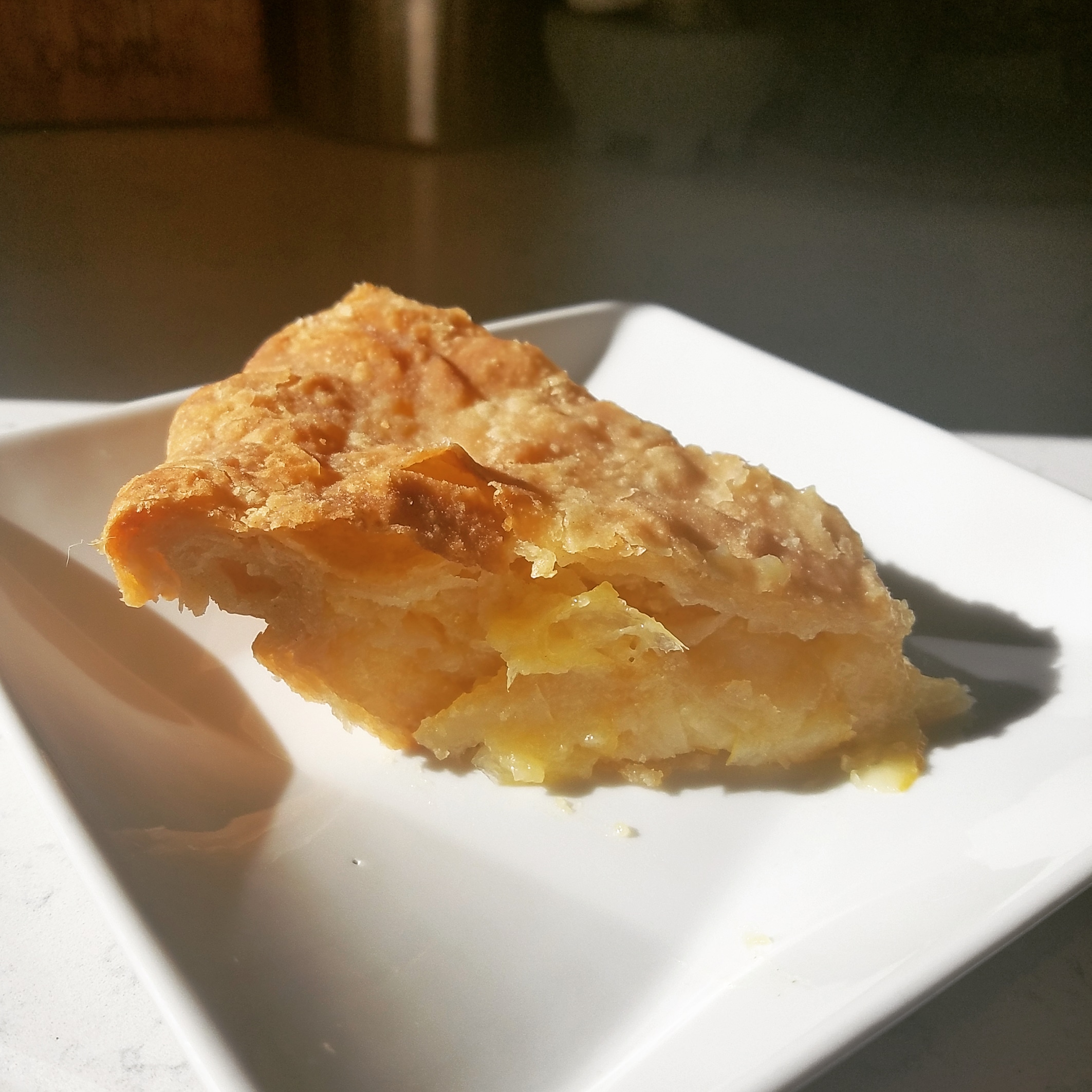
M’s request for the pie of the month was a Lemon Shaker Pie (aka Ohio Shaker Pie). We live in Ohio now and this custard pie with slices of whole lemons is something of a regional specialty. However, once we added a picture of our pie to our Instagram we got a lot of bewildered comments. Turns out, most people had never heard of this type of pie! One unusual part of this recipe is that it is attributed to the near-extinct fringe religious sect, The Shakers. Another is that it uses whole lemons – rinds and all. According to legend, the Shakers were prolific pie-makers and gardeners, and could make almost any kind of fruit grow in Ohio, except lemons, which were the first fruit they had to purchase. Being famously frugal, the Shakers then made sure to use literally the entire lemon for their pies. That still doesn’t really answer why this version, above all of the Shakers’ pies, now persists, but indeed it does. Cut to 2020, when this old-fashioned pie is now only really found in Ohio, or in home cooks’ kitchens.
We enjoyed the version we made, using the Joy of Cooking’s recipe for filling, and Smitten Kitchen’s Ultra flaky all-butter crust. We sliced organic lemons extra-thin on a mandolin for the pie and let them sit with sugar for over 24 hours to remove some of the bitterness. According to the Joy of Cooking, the longer, the better. This still produced a super-tangy pie (which we like), so if that is not your cup of tea, we imagine that this pie would also be great with Meyer lemons, as some more modern recipes call for. Or if you want to go old school, check out this vintage recipe from a former Shaker community in Kentucky.
Inadvertently, this is an appropriate post for Poisson D’Avril / April Fool’s Day, but the recipe is no joke! Cartoon-fish-shaped Taiyaki may be the cutest dessert there is. Originating in Japan, Taiyaki has a waffle-like base, and is traditionally filled with red bean paste. The hand-held snack has a centuries-long history and the fish shape, tai, symbolically conveys wealth. We first experienced Taiyaki at Japanese restaurants in the US, and in frozen packets at the Mitsuwa grocery store. Fortunately, in the past few years more restaurants in the US are taking cues from the Taiyaki’s homeland of Japan, and are making these fish waffles fresh to order (we have had them recently at Taiyaki NYC and Mini Mott). However, my sister gave us a Taiyaki iron for Christmas, so we have been able to recreate Taiyaki at home for the first time. Though the fish shape is intricate, Taiyaki are really no harder to make than waffles (albeit with a hand-held iron instead of an automatic one).
There are many Taiyaki recipes out there, and we started with one from Just One Cookbook. This recipe called for cake flour, which was easier to come by pre-pandemic. If you don’t have it, here is way to substitute All-Purpose Flour + Corn Starch. You may be able to find canned or jarred red bean / azuki paste in a local Asian supermarket. If not, you make your own red bean paste with some of your pantry reserves. Or for even more variety, you can fill these with custard or even Nutella! The only tricky part is the timing of cooking the Taiyaki, we have a gas oven, and it took us a while to find the right cook time, which may also vary for your oven. If you make extra Taiyaki, you can freeze them and then reheat in a 350 oven for a few minutes. Enjoy!
How to make your own Taiyaki (recipe adapted from Just One Cookbook).
Ingredients
Makes 5 Taiyaki
1¼ cupcake flour
1tspbaking powder
1tspbaking soda
1egg
3/4 cup milk
3Tbspsugar
5 Tbsp red bean paste (about 1 Tbsp per Taiyaki, or substitute with Nutella, Cream, etc.)
1Tbspvegetable / canola oil
Instructions
1. Sift the cake flour, baking powder and baking soda into a large bowl.
2. Whisk in sugar.
3. In a second bowl, whisk the egg, add the milk and whisk together.
4. Add the wet ingredients to the dry and whisk well. Let batter rest in refrigerator for one hour (there should be roughly 1.25 cups of batter).
5. When your batter is done resting, preheat your Taiyaki pan over a low heat (taking care to keep the plastic handle away from heat source).
6. When you are ready to make the Taiyaki, brush vegetable oil into the Taiyaki depressions
7. Raise heat to medium and fill the Taiyaki depression just over halfway with batter.
8. Spoon in one tablespoon of Azuki paste
9. Pour batter over the top to cover the paste, but do not overfill.
10. Close the two halves of the pan and turn to flip.
11. Cook each side 2-3 minutes, depending on the heat of your stove-top, until the Taiyaki is golden brown on each side.
Happy Diwali! Diwali, the Hindu festival of lights, started yesterday, October 27, 2019, but it is not too late to get in on some delicious treats to celebrate this holiday. Today, for Diwali, we will be making Soan Papdi (aka patisa, son papri, sohan papdi or shonpapdi), a North Indian confection with an amazing melt-in-the-mouth texture. Really, it is unlike anything I have had before, somewhat like cotton candy, but with flaky layers, often formed into cubes. You definitely have to experience it for yourself! This treat was first introduced to me by my friend from Delhi, who brought the treat back directly from a favorite sweet shop. Soan Papdi is popular throughout India, especially during festivals. With a base of ghee (clarified butter), gram flour and sugar, soan papdi is often flavored with cardamom, but you can now find it flavored any number of ways, including mango, pistachio or chocolate. Check out Steemit, The Times of India and Awesome Cuisine for Soan Papdi recipes.
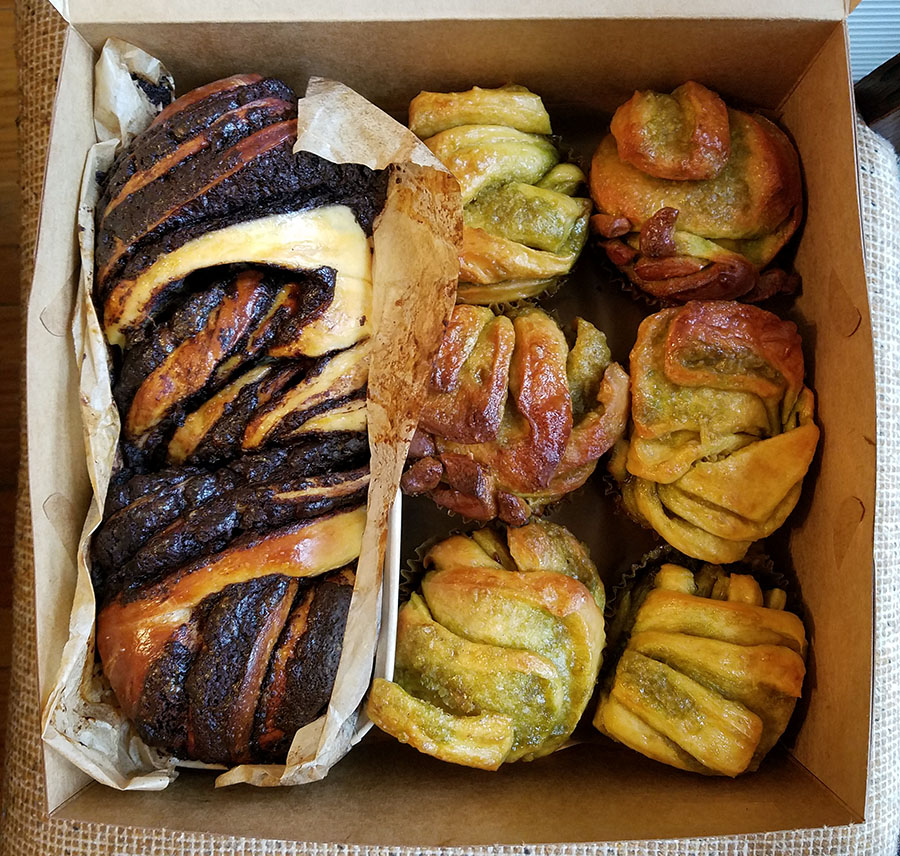
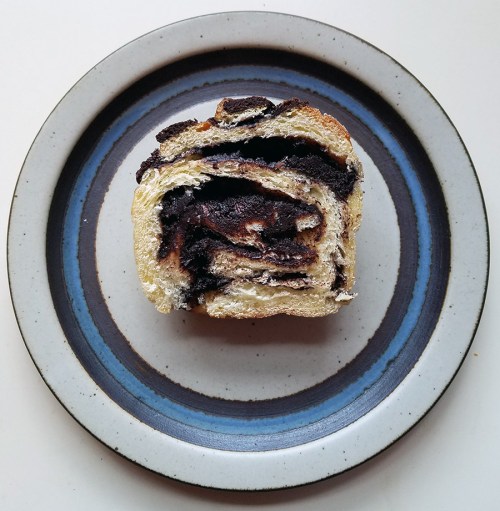
It is no secret that we love babka, the twisted brioche bread with ribbons of tasty fillings ranging from cinnamon to chocolate and beyond. We have sampled many babkas in the past few years, especially in New York, but were a little disheartened by the lack of exemplary options in Chicago. However, now Chicago has an AMAZING babka purveyor: Masa Madre. Masa Madre is a two-woman babka-making operation in Pilsen that bakes babkas ready-to-order and pick up right from their apartment. Masa Madre is run by Mexico City-born Tamar Fasja Unikel and Elena Vázquez Felgueres, and the babka is inspired by Unikel’s Mexican-Jewish heritage. Some of their special-edition babkas, like the churro or dulce de leche are a fun spin on combining these two cultures. Masa Madre offers chocolate, cinnamon and matcha green tea every week. On holidays, there are even seasonal baked goods like pan de muerto and sufganiyot for Hanukkah. You place an order through their Facebook page a few days in advance and pick up your loaves in Pilsen, which is a small price to pay for the freshest of babka. One loaf is $20, and you can get mini babka muffins for $3.50. Our favorite is definitely the ooey-gooey chocolate – check out those delicious swirls!
So we definitely are more familiar with King Cakes and paczkis, but the reach of the Mardi Gras fried doughnut also extends to Germany with Fasnacht. Fasnacht is a type of fried doughnut used to celebrate the holiday of Fasnacht, from where it gets its name. Fasnacht/Fastnacht (as it is called in Germany, Austria and Switzerland) means “Fast Night” and is the day before Ash Wednesday, where the last decadent treats (like the sugar and oil in doughnuts) are supposed to be eaten before the austerity of Lent kicks in. Fasnacht doughnuts may be square-shaped or more round like paczkis. I have never seen Fasnacht for sale, but outside of German-speaking Europe you can find them in small pockets, especially in places with Amish populations! Here are some recipes from All Recipes, Eve of Reduction, and PA Dutch Country (recipe circa 1936).
Remember those cutout paper snowflakes you used to make in grade school? Icelandic Laufabraud is kind of like that – but in bread form! These intricately patterned, paper-thin breads feature intricate geometric designs cut by hand or with special brass rollers. Once designed, the dough is then fried. This bread is said to have originated in northern Iceland in the 18th Century, and was made so thin because grain and provisions at the time were scarce. Even in lean times, the Laufabraud was a special holiday treat, and it is still enjoyed at Christmas now. Check out this lovely version and recipe from Icelandic Knitter. Bakestreet has a recipe and a step-by-step video. Gleðileg jól!
Welcome to Eating the World! We’re two Midwestern omnivores, L and M, who are trying to eat food from every country in the world (at restaurants in both the US and abroad). Eating the World is where we update our global restaurant and food adventures. We are based in Cleveland, Chicago and beyond. To contact us for questions, partnerships, or just to say hi, email us at eatingtheworld (at) gmail







 September 7th is an important day in Brazil: it is both
 In our last CSA box we unexpectedly got some late-season rhubarb, which led us to think of more unusual ways in which to use it than our first instinct, pie. Globally, rhubarb is popular in Scandinavia, especially


 Today is Haitian Flag Day, commemorating the official adoption of the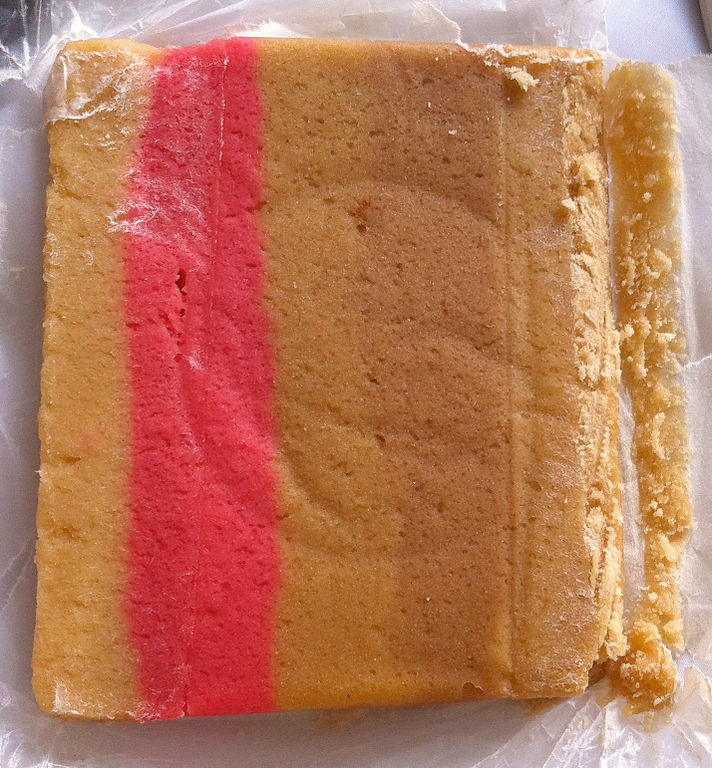
 Yesterday at sunset marked the start of 2020’s
 Inadvertently, this is an appropriate post for


 Happy
Happy 


 Remember those cutout paper snowflakes you used to make in grade school?


 Eating The World