Category Archives: World Eats

The International Origins of Nando’s Peri-Peri

Over at Africa is a Country, our favorite African news and opinion site, historian Sarah Emily Duff has a fascinating write-up on the multinational origins of Nando’s Peri-Peri, a self-described South African peri-peri chicken joint with locations throughout Africa (including Gaborone, capital of Botswana, from where she writes this piece), Europe, and a few in the USA. M visited a location in Washington, DC last year, and raved about the food. Now, we have a much greater understanding of the surprisingly complex history of the chain, with ties to Portugal, Mozambique, South Africa, and the UK during the second half of the 20th century. We’ll take all this cultural learning with us when we return to the DC Nando’s again in October!

Nando's peri-peri chicken with extra spicy sauce, rice, and cole slaw in Washington, DC.

M’s favorite: Nando’s peri-peri chicken with extra spicy sauce, rice, and cole slaw in Washington, DC.

Leave a comment

Filed under Links, World Eats

Festive foods for Iftar, Breaking the Ramadan fast

Ramadan, the 9th month of the Islamic calendar, started on July 10th. During the month, Muslims fast from dawn until dusk, and break the fast with a meal known as Iftar each night. What is eaten at an Iftar meal varies widely from country to country and from home to home, ranging from a small family meal to a huge party with an elaborate spread of dishes. Asia Society has a list of classic Iftar dishes from each country, and Time.com has a photo gallery of global Iftars, both showing the diversity of Iftars around the world. So where to begin? The possibilities are nearly endless. Time Out Abu Dhabi has recipes from reknowned chefs, About.com has a list of Traditional Moroccan Iftar recipes, and Veg Recipes of Indian has a wealth of Vegetarian Iftar options.

Iftar in the UK

Iftar in the UK by Reway2007

2 Comments

Filed under Holidays, World Eats

Enough Popsicle and Paleta Recipes to Last the Whole Summer

We recently bought new popsicle molds, and we are excited to make some recipes. We are especially fond of Mexican-style popsicles, paletas, which often combine sweet and spicy flavors. In honor of our new popsicle/paleta maker, we curated a collection of pop recipes from simple to avant-garde. The first recipe we made was yogurt and black raspberry (very similar to this recipe). We pretty much winged it and the result was great – so just let these recipes be a jumping off point for inspiration. Anything goes!

Paleteria in Texas

Paleteria in Texas, by Steve Snodgrass

Leave a comment

Filed under Finer Things Club, Links, Recipes, World Eats

A winning combination: Pie and Vinyl in Southsea, England

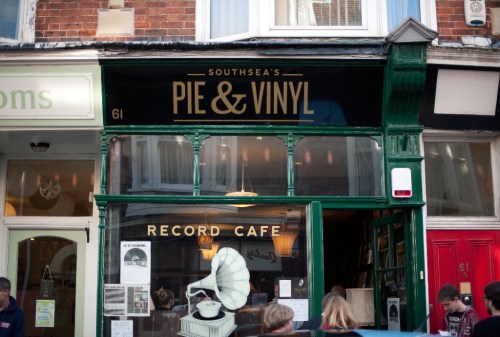
united_kingdomThanks to this Twitter post, RTed by Michael Nagrant, we learned about the Pie & Vinyl combination cafe and record shop in Southsea, England (61 Castle Rd, Southsea, Portsmouth PO5, UK). Now we love both pies and vinyl records, so this seems like one of the winning-est combinations yet. M is a little blue that there are only savory and not sweet pies, though. This is perhaps not surprising, given that the term “pie” in the UK generally would refer to a meat pie, as opposed to a sweet pie, as it would in the US. Perhaps the inclusion of sweet pies is an idea for a future menu expansion? In any case, we love the idea of such a symbiotic combination, and we hope to visit it one day. Along those lines, we are also fond of the cafe/restaurant/book/antique/vinyl shop combo we found in Rio (more on that soon).

PieVinylExterior

The Exterior of Pie & Vinyl – from http://www.pieandvinyl.co.uk/

Leave a comment

Filed under World Eats

A Visit to “Delícias do Porto” Street Food Market in Salvador da Bahia

brazil

July 2nd (Dois de Julho) is celebrated as Independence Day in Salvador da Bahia, and was considered the definitive end of Portuguese rule in 1823, so it’s the perfect day to celebrate Bahian food! Bahia has great street food, and you can find wonderful Acarajé on nearly any corner, so what could be better than an Acarajé stand surrounded by tons of other great eats? On Friday evenings during the summer (December – April in the southern hemisphere) there is a great street market put on by the Instituto Mauá in the neighborhood of Porto da Barra in Salvador called “Delícias do Porto (Delicacies of the Port)” Though the summer is now over in Brazil, it appears to be a yearly event, so check back for further updates. We highly recommended this fair for its variety, and for bringing a little culinary nightlife to the Porto da Barra area, which can feel empty during the evening hours.

???????????????????????????????You can recognize the market by its characteristic yellow booths, which seem to pop up out of nowhere on Fridays. In addition to food, there are also artisans selling traditional crafts as well as jewelry, clothes and other items. However, of course for us, the draw was the food! There was all sorts of Bahian food for sale: street favorites like BeijusAbará, Queijo coalho, Acarajé – and even some things less commonly found in street stalls – Sarapatel, Bolo de Aipim and Xinxim. In between all of the stalls is a large, open seating area, so eating your food at a leisurely pace is encouraged.

???????????????????????????????
The Xinxim (whick we had before, but in reference to a VERY different dish) was made of ground nuts, dendê (palm) oil, coconut milk, okra and shrimp. Though perhaps not the most visually appealing dish, we loved the unusual combination of savory flavors. Don’t forget to add the hot sauce and dried shrimp!
???????????????????????????????
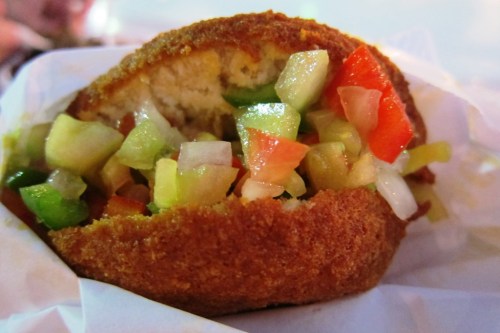
Of course no outdoor market in Bahia would be complete without Acarajé – the trusty black-eyed pea fritter that is pure “Bahia.” This one was from Dona Emilia (whose booth is there even when the whole fair is not), and was cooked fresh to order. Everything at the fair was very reasonably priced, and we couldn’t think of a better way to spend a balmy evening – watching the sunset and washing down our Acarajé with some Guaraná soda in hand.

???????????????????????????????

Leave a comment

Filed under World Eats

The Burgeoning Food Scene in Luanda, Angola

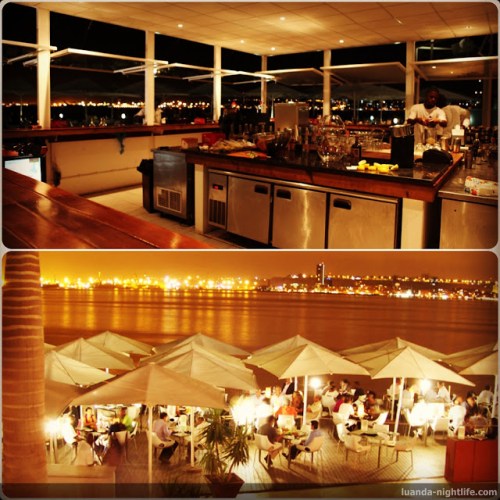
angolaEspecially in the US, Angola many be pretty far off the culinary radar. However, living in Brazil and Portugal we got to sample Angolan cuisine and it is awesome! It turns out that in Luanda, the capital of Angola, a pretty amazing homegrown food scene is emerging, drawing on both local and international food influences (including, of all things, a Scandinavian Cafe). The link from Africa is a Country also includes a recipe for Moamba de Galinha (Chicken Moamba) one of the country’s most iconic dishes. Even more diverse places to eat in Luanda are highlighted on a site started by expats, Luanda Nightlife. It seems like Luanda has nearly every type of restaurant you could want!

Leave a comment

Filed under World Eats

Real Sicilian Pizza: Sfincione in Palermo

SicilySfincione is traditional Sicilian pizza which is baked in large squares and is often served by cutting slices with scissors (our favorite part). Sfincione is akin to a thick foccacia bread topped with tomato sauce and (traditionally) anchovies and onions, and maybe some cheese, though definitely not as much as an American pizza. More exotic toppings are not an option. Sfincione originated in Sicily, and was the primary type of pizza on the island until the 1860s. While we were in Sicily, especially Palermo, we partook in many slices from street sellers known as sfinciunaros. In addition to being a street snack throughout Sicily, sfincione is also available in many restaurants and bakeries throughout Sicily and even Rome. Serious Eats has a Sfincione recipe that has been declared to be “spot on.” Looks like we’ll have to try making it this Christmas season, when it is traditionally consumed (though it is definitely a year-round food).

Sincione

Cross Section of Sfincione by Scott Wiener

1 Comment

Filed under World Eats

A quest for Belgian Frites in Brussels (and Chicago)

BelgiumThis New York Times piece about searching for the perfect frites in Brussels, Belgium is right up our alley. We are quite fond of Belgian fries, or “frites” and also of quests. Though we have never been to Belgium, some of our favorite places for Belgian fries in Chicago are Frietkoten Belgian Fries in the Chicago French Market (131 N Clinton St.) or Hopleaf (5148 N Clark St). We also learned that there is now a late night Belgian fry take-out, Backwoods (3335 N. Halsted St.), though we haven’t tried it yet. Anyone have any other frite favorites in Chicago?

Belgian Frites

Belgian Frites with Sauce Andaluse by Su-lin

Leave a comment

Filed under Links, World Eats

Pastry Post-Doc: Brazilian Brigadeiros for Chocolate Lovers

brazilAs much as cupcakes and the myriad permutations thereof are popular in the USA, brigadeiros are the primary bite-sized dessert in Brazil. Named for a Portuguese brigadier in the 1940s, a brigadeiro is essentially a chocolate caramel truffle coated in chocolate sprinkles. However, much like cupcakes, riffs off of the traditional brigadeiro are increasingly common, including exotic flavors and coatings. If you are not looking for anything fancy, the basic brigadeiro is found at most Brazilian restaurants and cafes, and pretty much every snack shop has brigadeiros in stock for less than a dollar. Perhaps the best thing about the brigadeiro is how easy it is to make, and how few ingredients it requires. For example, this America’s Test Kitchen recipe has only condensed milk, butter and cocoa. Some other recipes, like these from Honest Cooking and Cuca Brazuca also require chocolate drink powdered mix. The typical finish for a brigadeiro is being rolled in classic chocolate sprinkles, though another Brazilian favorite is a coatings of large black and white candy puffed-rice spheres known as “crocantes.” Of course you can also play with different brigadeiro flavors, including peanut butter or almond

Classic Brigadeiro

Classic Brigadeiro by Mayra ChiaChia

If you are in Brazil, we highly recommend some exploration to find your favorite brigadeiro. Nearly every corner bakery/cafe/deli/lanchonete will have brigadeiros for sale, so you can sample dozens a day, if you would like. If you are going for something unique, visit Maria Brigadeiro ( Pinheiros: Rua Capote Valente 68) in São Paulo, where there are over 20 varieties of gourmet brigadeiros available at the shop, including esoteric choices like Port Wine or Sesame. Time Out São Paulo has a feature on the some of the other best brigadeiros in Sao PauloOur favorite Brigadeiro stop in Salvador was Brigadeira Mix in Shopping Barra, which was just a small kiosk, but it boasted a large variety of flavors, including our favorite, negresco (cookies and cream). But brigadeiros are not only the purview of fancy shops. In Rio de Janeiro you can buy them on the street (though it is a wonder that they don not melt in the heat).  Our favorite classic brigadeiros in Rio de Janeiro are found at Bomboniere Pathe (Centro: Praça Floriano nº- 45). But don’t take our word for it – go try some for yourself!

1 Comment

Filed under Pastry Post-Poc, World Eats

Adventures in Brazilian Produce: Feijoa

In the latest chronicle of the unusual produce choices we find in Brazilian grocery stores, we came across the feijoa. The feijoa is so unusual that we caused something of a commotion when we asked a worker in the Flamengo, Rio de Janeiro branch of the Pão de Açúcar grocery store how much one of these little (unlabeled) fruits cost. It turned out upwards of 5 employees of the grocery store had simply no idea what it was, but the 6th finally identified it as a feijoa. We figured the taste of the fruit would be something like an avocado due to its green, bumpy appearance, but instead, it had a gelatinous sweet center (shedding more light on this flavor is the fact that feijoa is also known as the pineapple guava). Feijoa had a pleasant, sweet and fragrant taste, but one unpleasant feature is that it is nearly impossible to know when it is ripe. Bizarrely, though they originated in Brazil, feijoas are actually most popular in New ZealandTypical uses of the feijoa are for making smoothies or simply eating raw, but the adventurous among us can make a feijoa chutney, a feijoa cake or even feijoa wine.

Feijoa

Feijoa Fruit by Sandy Austin

2 Comments

Filed under World Eats

Paçoca de Amendoim – Brazilian peanut candy

Brazilians love little candies and treats, and at some places, like Perini supermarket, you can buy the individual bite-sized treats and create your own box of goodies. One of these popular treats is Paçoca de Amendoim – kind of a riff on Peanut Fudge – with the added texture of Manioc flour. The name comes from the Tupi word Posok which means “to crumble.” Making Paçoca is super simple, and we found versions at Pink Bites (using cookies instead of manioc) and Flavors of BrazilAs Flavors of Brazil points out – there is a dish also called paçoca that is completely different – think beef and onions. We actually ran into this situation at the São Cristóvão market in Rio – which has food from the Northeast – both kinds of paçoca were for sale. Be careful you order the one you’re intending!

Leave a comment

Filed under Links, Pastry Post-Poc, Recipes, World Eats

Chihuahua Cheese’s (Queso Menonita) Mexican Mennonite Origins

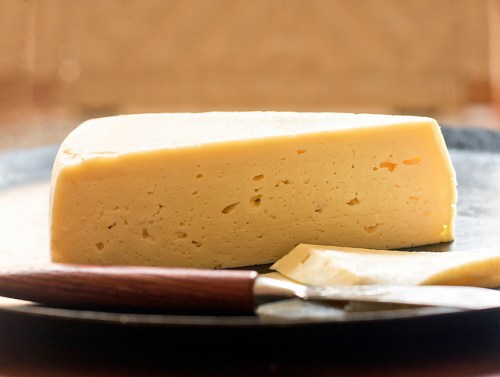
Mexico FlagBack in the US we are very familiar with Chihuahua cheese (Queso Chihuahua) and have seen many recipes calling for the mild, slightly yellow cheese. However, we did not know much about its origins – and it turns out it has a rather unusual history.

Chihuahuacheese

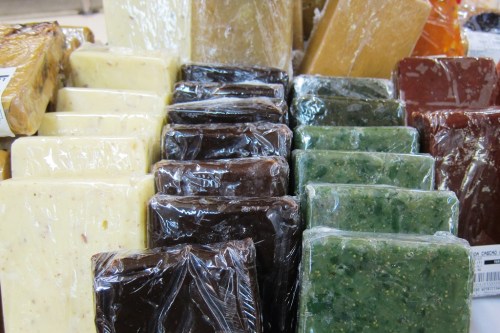
Chihuahua Cheese by Mérida Hideaway

Chihuahua cheese, known for the Northern Mexican state where it is produced, is also known as Menonita cheese in Mexico. Yes, Menonita is “Mennonite” in Spanish – and it is indeed Mennonite cheese! Turns out there is a rather large Mennonite population in Mexico, having first arrived in the 1920s, and they were the ones who first produced the cheese. Though it has now been commercialized, you can still find Menonita cheese being made by Mennonites in the town of Cuauhtemoc, Chihuahua.

MennoniteMexico

A Mennonite sells cheese in Mexico by Cristiano Oliveira

4 Comments

Filed under Cheese, World Eats

New Zealand: Flat White Coffee

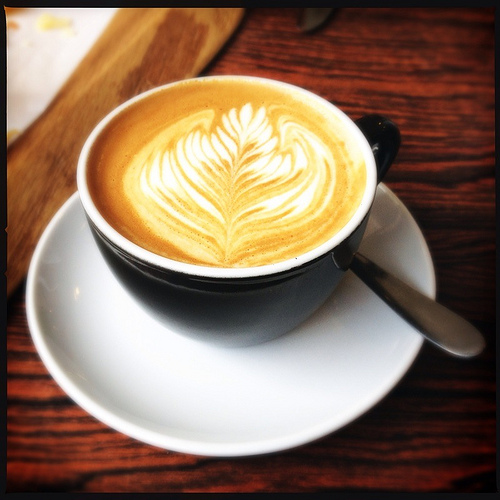
New Zealand FlagThough only one half of the ETW team is a coffee lover – we’re both always interested in learning about different coffee cultures around the world. Just when we feel like we are getting a handle on the latest trends and variations – we encounter a totally new drink – in this case: The Flat WhiteThough it is becoming popular worldwide, we were interested to learn it was invented in New Zealand, a country so far not on our coffee radar. The Flat White is a double-shot coffee drink topped with foamed milk, somewhere between a latte and a cappuccino, but with a smaller size than typically expected of a latte. Still sound a little obtuse? There are several definitions on the Coffee Hunter site. Anyone have a place to order a flat white in Chicago?

Flat White

Flat White Coffee by Cygnoir

2 Comments

Filed under Coffee, World Eats

Pastry Post-Doc in Brazil: V Café

V Café
Rua Senador Dantas – 45, Cinelândia
Rio de Janeiro (Other Locations Nationwide in Brasil)

brazil

Sometimes you just want a nice icy Starbucks-style coffee beverage laden with sugar and syrup  – and when you do, in Brazil, the answer is V Cafe! There are tons of these cafes over Brazil (owned by Parent company Viena), and a small branch is even conveniently located in one of our favorite bookstores – Livraria Cultura. Our two go-tos at V Café are the Mocciolata and the Cioccolata drinks (R$ 11 each). The Cioccolata is a very frothy iced hot chocolate, and the Mocciolata is basically the same – but with a shot of espresso. We appreciate the attention to detail in V’s drinks – all of the drinks come in real glassware – not paper cups – and a little cookie on the side – how nice. Of course there are also a wide variety of hot espresso and cappuccino drinks available.

V Cafe Mocciolata

V Cafe Mocciolata (and cookie)

There are wide a range of desserts available – including a rotating variety of cake slices (chocolate brigadeiro, orange and hazelnut are favorites), puddings and cookies. But if you are in the mood for a little something more, there are sandwiches (including salmon and brie/apricot) and even some healthy-looking salads. Seating at V Café in Livraria Cultura is at a premium, and people often bring a stack of books to while away the time while munching. We definitely can’t think of a better way to spend a rainy afternoon.

V Cafe

V Cafe in Livraria Cultura

Leave a comment

Filed under Coffee, Pastry Post-Poc, World Eats

Chocolate Shops in Ouro Preto

brazil

While wandering throughout historic Ouro Preto you will see stores selling Doces Caseiros, but you will also find them selling the one thing we like even better: chocolates. We visited a couple of chocolate shops while we were in Ouro Preto, and were surprised by the quality of the chocolates and the extensive menus. If you have a sweet tooth, you will never go hungry in Ouro Preto.

Puro Cacau (Rua Conde de Bobadela, 162) stands out on the street due to the large chocolate fountain in the window. That was surely enough to draw us in. A trip to the chocolate fountain (with a skewer of strawberries) cost a mere R$ 5. We were also pleased to find they had milkshakes, which were excellent (we went with cookies and cream). The menu also had a selection of paninis and wraps, which were good, but nothing to write home about.

???????????????????????????????

However, as the name would imply, the main reason to visit Puro Cacau is for the chocolate-related offerings. The entire front of the store is given over to selling jars of doce de leite, homemade bon bons and alfajors (Argentine sandwich cookies filled with dulce de leche). You can also buy simple candies and truffles by weight out of glass jars. There was something deliciously retro about filling a paper bag with little chocolate candies. Even beyond chocolates there was an unusually extensive selection of bottled drinks and beers from around the world.
???????????????????????????????
Chocolates Ouro Preto (Praça Tiradentes, 111)

Chocolates Ouro Preto became our go-to lunch and coffee spot when we were in Ouro Preto, not to mention the fact that we had many a sweet treat there.  For those of you that are always plugged in (guilty here) there is also free Wifi.

Chocolates Ouro Preto

Chocolates Ouro Preto – right on Praca Tiradentes!

In the front of the store you can buy their chocolate items, including a huge amount of chocolate bars and very delicious truffles (R$ 2.50). We particularly enjoyed the passionfruit filled dark chocolate variety. We also appreciated the amazing selection of coffee drinks and other juices for those who are trying to be caffeine-free. There was also a large assortment of ice cream flavors.

For those with a bigger appetite, there were other savory treats, including full entrees soups and breads. We had one particularly delicious soup: creamy mandioquinha. Kind of like cheesy cream of potato soup, but better! There were also various salgados, pão de queijo and pão patate.

1 Comment

Filed under Coffee, Reviews, World Eats

Recipes for Rieska, Finnish Flatbread

finland

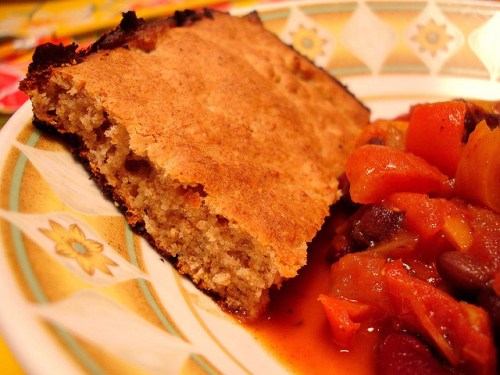
We’ve been having all sorts of bread cravings here in Salvador, where there is good bread, but we are missing some carb-y favorites like pita and bagels. So in the interim, we’ve taken to finding exotic bread recipes form all over the internet to make when we get home. This recipe from Honest Cooking for Finnish flatbread – Rieska – caught our eye for its simplicity. We’ve seen a few different takes on this bread, whether from the inclusion of potato in the Honest Cooking recipe, to the use of rye flour, to a barley dough-only recipe. In any cake Rieska looks like it is the perfect base for a myriad of toppings.

Rieska

Rieska as an accompaniment to chili – by dwwebber

Leave a comment

Filed under Links, Recipes, World Eats

Homemade Sweets / Doces Caseiros from Minas Gerais

brazil

Minas Gerais is also known for its sweets (Doces) made from various fruit pastes, that are often seen in huge wheels of candy. They are pretty impressive to see – imagine a treat the size of a giant Parmesean wheel – but in vivid orange, green or pink! You then pay by the weight to get a little chunk for yourself to take home. When we were in Minas Gerais we saw these giant wheels of candy around town, but even if you are not in Minas, major grocery stores often boast their own doces for sale by weight.

Cocada/ Doce de Coco

Cocada/ Doce de Coco – made from Coconut.

There are shops all around Ouro Preto advertising that they sell “Doces Caseiros / Tradicionais” (Homemade/Traditional Sweets). Though we are quite familiar with Doce de leite, we had never encountered some of these varieties before such as: Doce de Abóbora (pumpkin candy), Doce de Goiaba (Guava Candy) and Doce de Coco (Coconut Candy). The consistency of these treats is basically like fudge, though maybe a little more dense.

Doces Caseiros in Rio

Doces Caseiros in Rio

Also popular in Minas are sweet in spreadable form, especially variations on doce de leite (dulce de leche or milk caramel). You will see this type of spread very commonly with add-ins or swirls of another flavor – including chocolate and peanut. We had a chunk of doce de leite/peanut candy in Ouro Preto and it was heavenly, especially since we were going through peanut butter withdrawal.

Leave a comment

Filed under World Eats

Pastry-Post Doc in Brazil: American-Style Cookies at Besi in Rio

Besi
Rua do Carmo, 61 – Centro
Rio de Janeiro

brazilWe are very keen on the Brazilian idea of including cafes in bookstores and other places you might not necessarily expect a cafe. Case in point: Besi Cafe is located in the back of an adorable homegoods and kitchenware store. The cafe is all the way in the back and its is quite difficult to make it past all of the tempting Le Creuset implements and cast iron without buying something (though I suppose that is the point). Besi has a full menu of salads and sandwiches, however the coffee drinks and cookies are the specialties. What is called a “cookie” in Brazil greatly overlaps with what is a cookie in the USA. However, what is often absent from Brazilian bakeries is a good old Tollhouse-Style gooey chocolate chip cookie, or one of those big jumbo soft cookies you find in classic delis.

Besi Cafe

Kitchen goods store + Cafe = Besi

We were kind of homesick for that “big old cookie,” so we were very pleased to hear that Besi Cafe was known for their American-style cookies. When we visited, there were three varieties of cookie on offer (R$6 each): Sea salt chocolate, Triple chocolate chip (milk, dark and white chocolate), and Cinnamon with dark chocolate chips. The sea salt chocolate cookie was almost flat, but had a wonderful flavor (sea salt + chocolate is always a winner combination). The cinnamon and chocolate chip cookie was more leavened and had a strongly cinnamon flavor and was chock-a-block with chips. Of the two varieties, we preferred the chocolate for its flavor, but the texture of the chocolate chip. Unfortunately, Besi did not deliver a cookie that was top notch on all fronts, but rather a series of good cookies. We also greatly enjoyed the cappuccinos with foam art, not heretofore seen in Brazil, (R$ 8) made with Minas Gerais-gown Cafe Suplicy and the loose-leaf Moroccan mint tea ($R 5). While not a perfect imitation, the cookies at Besi are great for a quick fix when a craving hits.

Besi Cafe Cookies

Besi Cafe Cinnamon and chocolate chip cookie (one piece taken out and reassembled)

Leave a comment

Filed under Coffee, Pastry Post-Poc, World Eats

The Uyghur Bakers of Kashgar, China

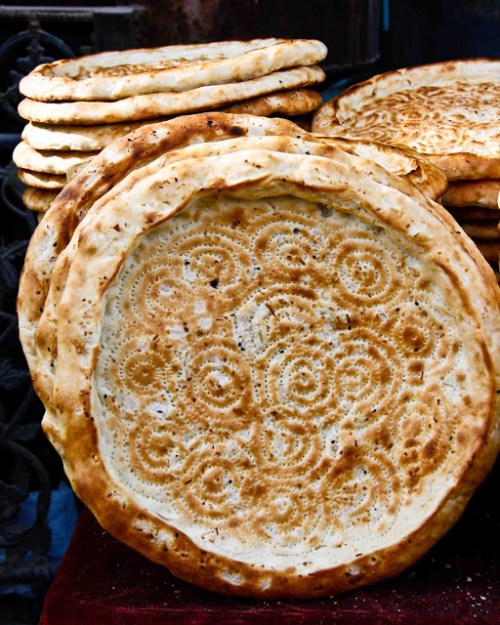
chinaI recently came across this amazing essay (with recipe) about bakers in Kashgar, China. Kashgar is located in the far western region of Xinjiang, which is home to the Chinese Muslim ethnic group known as Uyghurs. Uyghur cuisine is completely different that what North Americans are familiar with as Chinese cuisine, and has more of Middle Eastern and Central Asian flavor. Bread, in particular has a central place in Uyghur cuisine.

KashgarBread

Nan Bread from Kashgar, China by Life on Nanchang Lu

Leave a comment

Filed under Links, World Eats

Food for the Orixás in Salvador

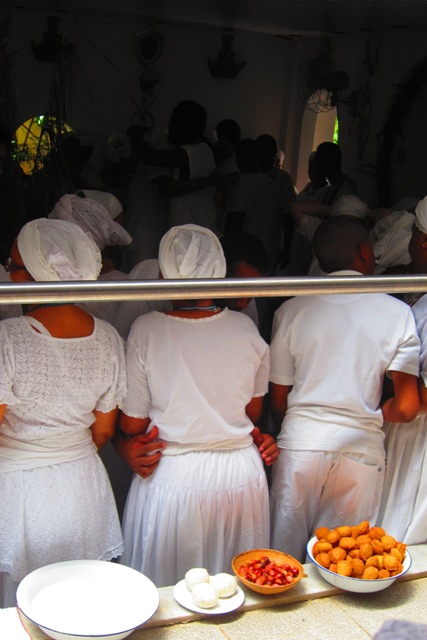
On Saturday, we had the honor of being invited to the to the Ilê Axé Ijino Ilu Orossi, a temple (ilê axé) of candomblé nagô, an Afro-Brazilian religion closely related to the religious practices of the Yorùbá people of southwest Nigeria and Benin. The Saturday before Easter is one of the most important dates in the candomblé calendar: this day celebrates the new year with the Festa de Exu, a day-long celebration for Exu, the orixá (deity) of choices, pathways, and beginnings. At Orossi, the Festa de Exu is a lavish affair: a packed house, dressed all in white, dances and sings for six hours while navigating their way around spectacular offering altars and assemblages. Food and eating are important parts of the ceremony, and we were happy to take part!
???????????????????????????????

Two female initiates (ekedi) standing in front of offerings for Exu, including mini acarajé.

In a candomblé ceremony, it is just as important to feed your guests, and all attendees, as it is to feed the orixás. While Exu was very hungry on this day – he received extensive offerings of alcohol and meat – guests all received food as well, and enough to last us all day. Shortly after the first round of offerings to Exu, all guests seated in the audience section were invited to the main floor of the axé to receive a portion of abará, a dish resembling a tamale. Abará is a classic Afro-Brazilian dish and frequently used in candomblé  ceremonies as a food sacred to the orixás. It consists of bean curd mixed with dendê oil, wrapped in a banana leaf, and steamed (the same base as acarajé, the other classic Afro-Brazilian dish, but acarajé is fried instead of steamed). Abará, like acarajé, is very filling, and we had to force ourselves to finish just one by the time attendees came around to collect our used banana leaves.

???????????????????????????????

M’s unwrapped abará.

After everyone had eaten their abará, the ceremony entered its most exciting part. We once had a friend describe a candomblé ceremony as a party for all the gods where all the gods actually show up, and it’s true. On this day, three orixás arrived to interact with attendees and dance with initiates: Pomba Gira, a female version of Exu who loves to smoke and drink; Iemanjá, the orixá of the deep sea and motherhood; and Ogum, orixá of iron and war. After the orixás had come and gone, and while we were still full from our abará, two men brought out a huge metal pot of feijoada – more than enough to serve the fifty people in attendance with a bunch left over.

???????????????????????????????

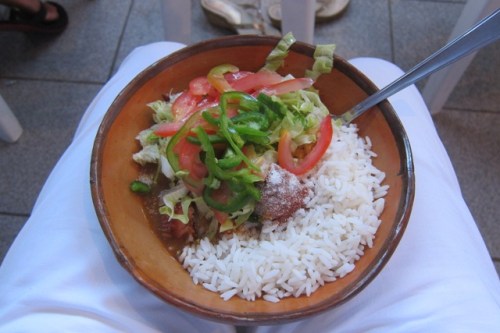
As always, guests were invited up first: we were given a decorated ceramic bowl, and then guided up to the ekedi who served us a heaping bowl of feijoada. That’s not all: out of nowhere appeared a buffet of accompaniments: rice, tomatoes, lettuce, green peppers, and pimenta malagueta: a sauce of flavored spices and famously hot malagueta peppers that is the classic accompaniment to any Bahian dish, but definitely not for the faint of heart. While we are not usually big fans of feijoada, this was excellent: beans, pork, and chicken cooked to perfection in a flavorful sauce, and the fresh veggie accompaniments and pimenta made for a very satisfying and filling meal. After six hours of exhausting singing and dancing, finishing off the feijoada put everyone into a food coma, and all the initiates in the house concluded the day by sleeping on the temple floor. A great end to a beautiful day of food and celebration for the orixás!
???????????????????????????????

M’s feijoada, complete with three spoonfuls of pimenta – apparently a record!

Leave a comment

Filed under World Eats