
We were lucky enough to visit the Queens Night Market when we went to New York this July, our first trip outside of the Midwest since October 2019 (when we last visited New York, incidentally). The 100% outdoors Night Market is held weekly on Saturdays at Flushing Meadows Park, next to the New York Hall of Science (site of both the 1939 and 1964 New York World’s Fairs). You can purchase $5 tickets in advance for admission at any time during the night (currently 6 to midnight). The Fair is slated to run until October this year, though it would be wise to check for updates.

Visually, the Queens Night Market looks like your typical outdoor food fair, with several rows of tented booths and signs advertising their wares. However, the type of food on offer was nothing like the average food festival, and we were absolutely floored by the scope and variety. The restaurants and catering companies featured were selected for their international flavors, and dozens of countries were represented on the night we visited, from Belize to Burma. We were most pleased that we got two new countries under our belt in one shot: Sudan and Antigua & Barbuda. Each booth had a short menu of offerings, most ranging from $5 to $10, making it one of the most reasonable eating options in NYC.

The Sudanese booth – Sambuxa NYC – had a truncated menu featuring meat and vegetable sambuxas, lending their name to the restaurant. Sambuxas are the East African cousins of Indian samosas, deep-fried phyllo dough pockets full of savory fillings, brought to Sudan through trans-Indian Ocean migration. These surprisingly-light, tasty morsels came served with two sauces: yogurt and garlic.

The Antiguan & Barbudian booth, La’Maoli had a large variety of dishes representing the small island nation. The codfish fritters, rum bread pudding, and blood sausage all looked enticing, but we settled on the ducuna and saltfish, which was was billed as one of the national dishes of Antigua & Barbuda. Ducuna is made with sweet potato and is something akin to a slightly-sweet Caribbean take on a tamal. Along with the ducuna and saltfish was a generous helping of sauteed greens and veggies, also known as chop-up. The key to this super-flavorful dish was getting each of the components together in one bite, the resulting combo was an explosion of sweet, salty, and savory tastes.

Bangladesh was well-represented at Jhal NYC, where we sampled Jhal Muri, a puffed rice snack mix filled with contrasting salty, tart and spicy flavors. However, our absolute favorite dish of the night was the classic Peruvian ceviche from Don Ceviche. We couldn’t believe the price: a made-to-order, restaurant-sized amount of high-quality ceviche for just $6! This was a delectable dish with tender fish, a citrus-filled tiger’s milk marinade, all topped with the requisite accoutrements of sweet potato, onions, and choclo (XL dried corn kernels).

There were a variety of sweet options at the Night Market as well, which as you know is one of our weaknesses. We loved Moon Man‘s avant-garde Southeast Asian sweets. We sampled an enticingly-green steamed pandan cake that had a light, citrus-forward flavor. Moon Man was also selling jarred versions of some of their wares, including their pandan, ube and original Kaya Jam. Another surprise for us were the hard-to-find-in-the-US pasteis de nata (Portuguese custard tarts) from Joey Bat’s Cafe. Even in the inhospitable format of an open-air booth, these tarts were delicious! For those seeking a cooler treats, bubble tea and Filipino Halo-Halo were also on offer.

The best part of the night market was that, in a single place, you could sample dishes from around the world for a shockingly reasonable price. We enjoyed trying old favorites and new-to-us dishes, and our group was happy with the variety, including the ample options for vegans and vegetarians. Granted, some of the more popular booths had lines, which only grew as the night went on, but they moved relatively fast. Towards the end of the night we were getting pretty full, and therefore were not able to sample everything, including the two most popular booths: Treat Yourself Jerk Chicken and Gi Hin Mama Food (Squid & Lamb Skewers).

If you are planning to visit the Queens Night Market, we recommend perusing the list of vendors in advance so you can note which ones will be must-dos. The vendors also appear to change from week to week, so some of my picks may not be there when you visit, though many vendors also have physical locations scattered throughout the city. It is also worth it to check out the line-up of live entertainment, when we were there we enjoyed the all-female Brazilian samba drumming group Batalá. If you won’t be in NYC and are looking for a taste of the Queens Night Market they even have a recipe book featuring some recipes from the Night Market, The World Eats Here. We hope to visit again next year!


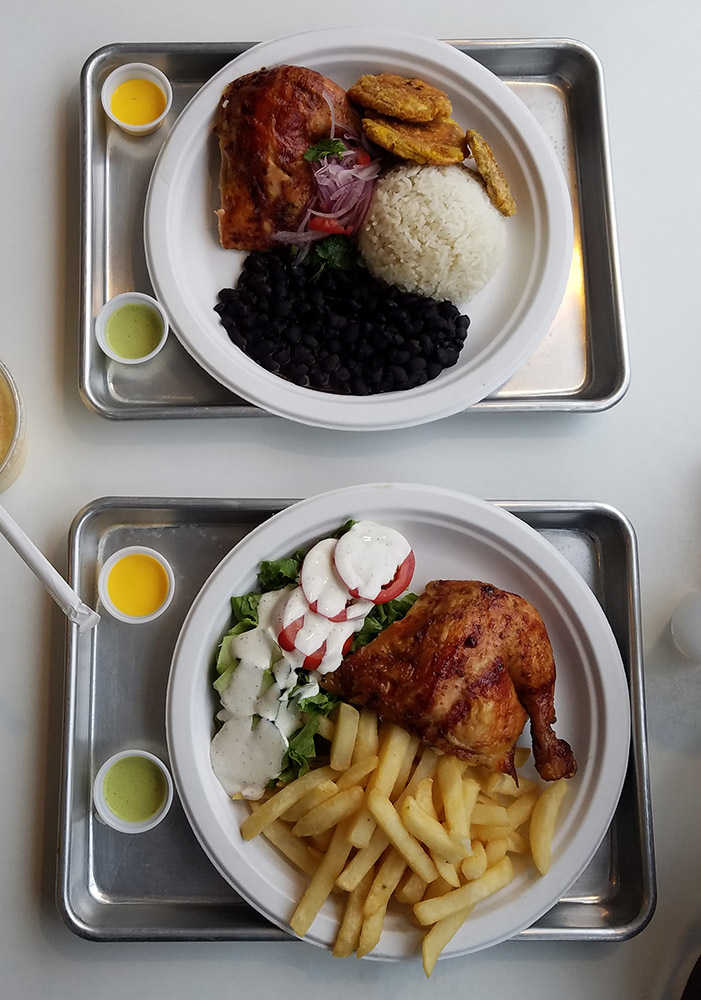
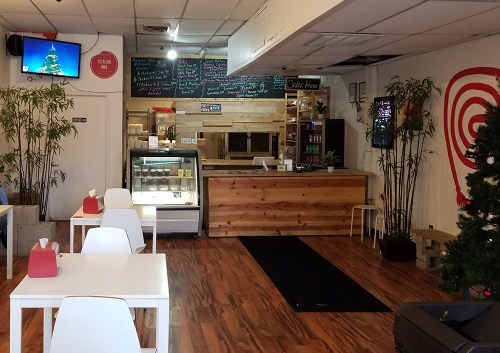
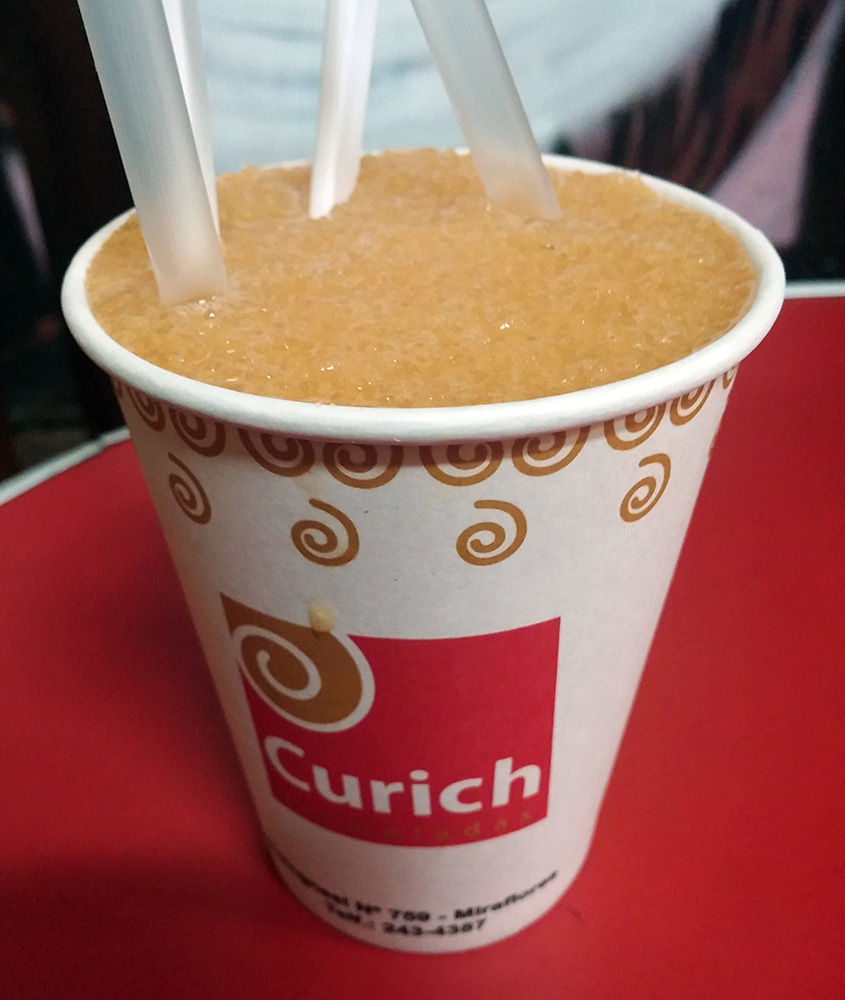






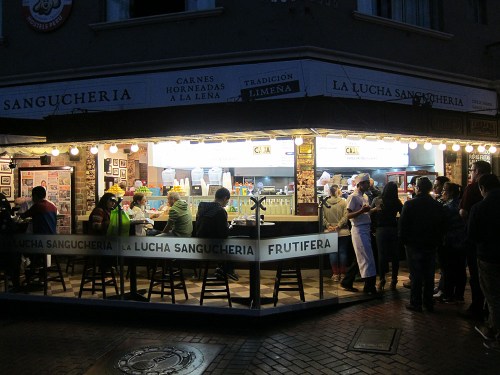 La Lucha does a wide variety of “criollo” sandwiches, including the famous chicharrón. Other options included roast chicken, roast turkey (surprising!), roast pork, tuna, jamón Serrano, country ham and steak, cheese and avocado (between 6.8 and 17.3 soles). We ordered a roast chicken, since that is one of our favorite Peruvian staples (and you will see rotisserie chicken places everywhere!) and a classic chicharrón. The La Lucha location we visited was a walk up counter where you placed your order and paid at the counter, and later received your food at your table. La Lucha was packed with hungry students from the nearby university even at the early hour of 5:30 PM (much too early for a Peruvian dinner!), and the vibe was lively and colorful.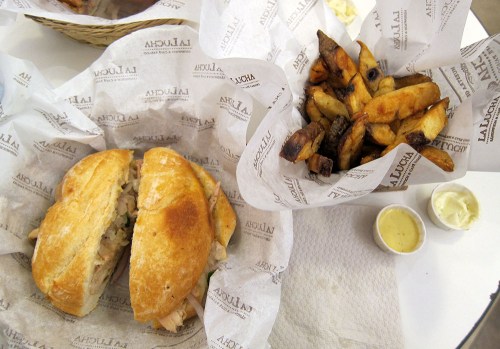






 Restaurant Magnus
 On May 31, I walked up to the door of Restaurant Magnus in Madison, hoping to sample some of my favorites from its South American-inspired menu before the restaurant’s dramatic shift the next day (signaled by the Norwegian flag fluttering over the canopy). It was locked. An employee eating outside quickly walked up to me, saying – with a wide smile – that the restaurant was closed to the evening to prepare for their exciting new menu the next day. But all the dishes I wanted were on the old menu, and when Magnus got rid of them on June 1, both L and I were disappointed and frankly a little angry.
 For main dishes, we tended to migrate toward the ever-changing tapas menu, but there were some old favorites that kept bringing us back (and Magnus knew it, because they kept putting them on. The Peruvian bay scallop ceviche ($12) was an interesting take on an old classic, with diced scallops placed in a makeshift bowl of cucumber slices, garnished with minced mixed sweet peppers, avocado, and drizzled with mango-habanero (M’s favorite combo) vinaigrette. It was smaller than similarly priced ceviches but the inventiveness was worth it.
 And then there was the Xinxim. Take a Brazilian staple and create the hell out of it, and you get Magnus’ Xinxim. It sounds simple enough on the menu: chorizo verde, blackened chicken, blackened beef all in a bowl, sitting in a special cream sauce of habanero and coconut milk and cashews. But this seemingly simple dish was, unquestionably, my favorite meal of all time. The coconut milk worked to take down the habanero’s heat enough to let its fruity tropical flavor beam through, and combined with the cashews, the effect was deliriously perfect. The chorizo was always spiced to perfection, and the chicken, beef, and shrimp provided a wide set of texture and flavor options that always worked in tandem with what I am sure will remain the best cream sauce I have ever eaten.
 Scandinavian restaurants have had a tough time of it in this country, and Wisconsin would seem like a logical place to start one if, well, Scandinavian food had ever succeeded here before.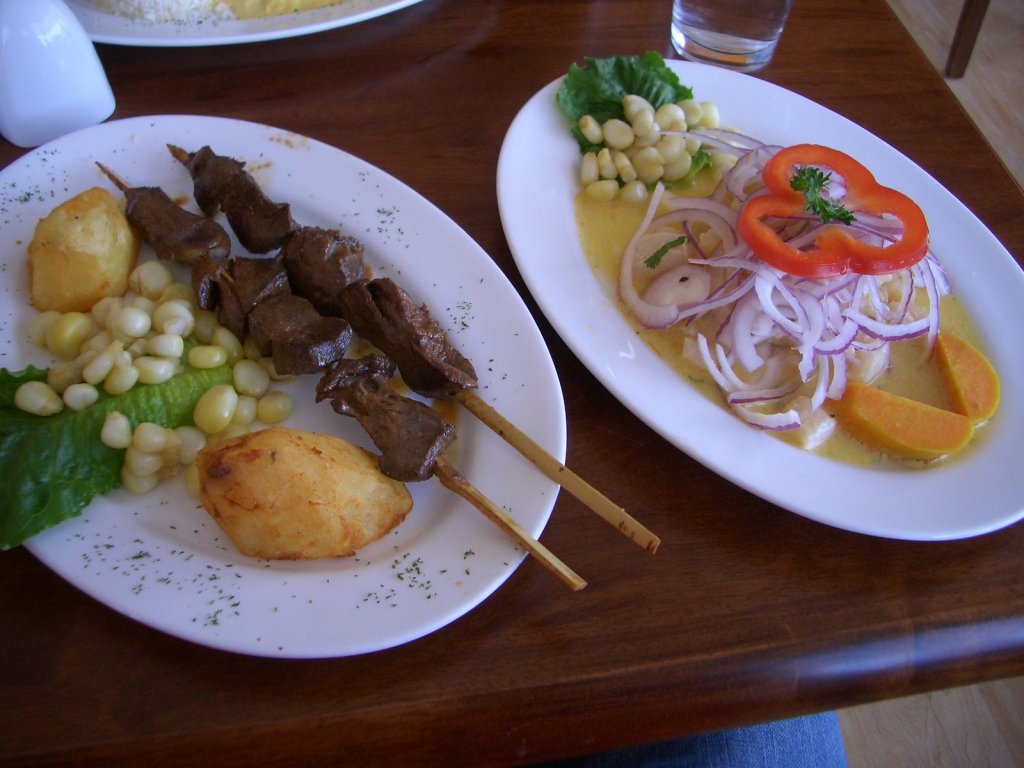
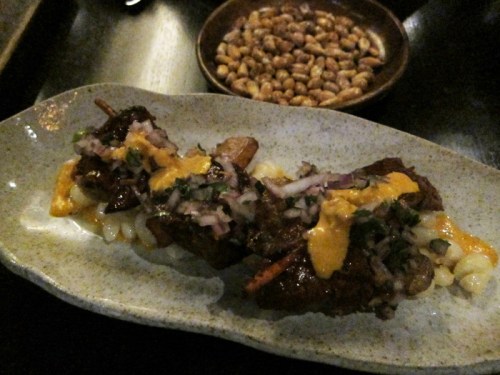
 Inka Heritage does all these things, and does them well. The anticuchos are true to the original dish, using the best pieces of beef heart muscle (some other restaurants keep the anticuchos marinade but substitute white meat chicken for the beef hearts, which is not only inauthentic but culinary highway robbery) with a slightly spicy, tangy marinade that works well with the ají on the side. The ceviche too is solid, with the right citrus juice mixtures we’ve come to expect – though the very high onions to fish ratio, as well as the smaller serving size, makes us wonder why the price is higher than what we found at


 Eating The World