Category Archives: Pastry Post-Poc

Pastry Post Doc’s English desserts: Bakewell Tart

EnglandWhen we were in London this past month, we were absolutely blown away by the huge amount of international cuisines available (even compared to our last visit 10+ years ago). However, we wanted to give proper attention to English classics including our favorite category of food – sweets. Now, we are no strangers to English candy, but we had not ventured far into the world of desserts, or as they are called locally – puddings. While in London, I popped into a bakery that specializes in English treats to brush up on my British baking knowledge: Peyton and Byrne (several locations, I visited 44 Wellington Street, Covent Garden). The case and bakery racks of this appealing cafe were full of delicious treats including familiar-to-Americans apple crumbles and cookies. However, there were some new treats including the Bakewell Tart, which looked too delicious to pass up.
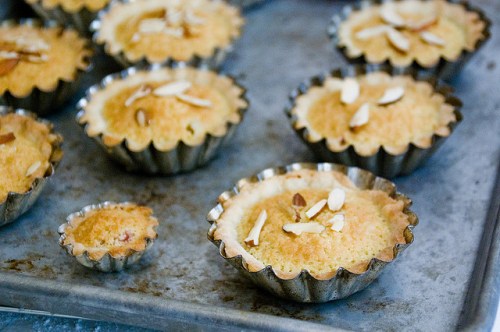
MiniBakewell

Mini Bakewell Tarts by Mary E

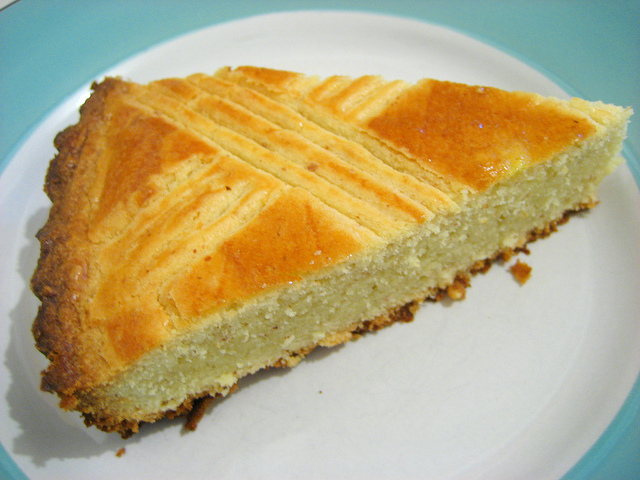
The Bakewell Tart, which originated in Derbyshire, is tart with a shortbread crust, an almond filling and a layer of raspberry jam. On our trip, we saw Bakewell tarts in mini bite-sized versions (as above), or as larger tarts cut into wedges (as below). At Peyton and Byrne, they cut the pie into wedges (and top with almond slivers), which seems to make the perfect filling to crust ratio. We could tell the jam was homemade, and it perfectly complemented the frangipane filling. We found the Bakewell Tart to be perfectly delightful, or shall we say – moreish! There is a recipe for the Bakewell Tart in Peyton and Byrne’s book, British Baking, and recipes for traditional and exotic Bakewell Tarts abound online.

BakewellSlice

Bakewell Tart by Dan Peters

Leave a comment

Filed under Pastry Post-Poc

Celebrate Bastille Day with Breton Butter Cake (Gâteau Breton)

BrittanyfranceToday is Bastille Day, so it seems only appropriate that we cover our favorite French food group: Desserts. The dessert at hand today is the Breton Butter cake aka Gâteau Breton, a shortbread-like cake with a signature crosshatch design. This is a simple cake from the Northwest of France (where it gets its name from the region of Bretagne/Brittany), an area with a distinct food culture and language. The cake itself really is nothing more than eggs, sugar, flour and (lots of) butter – but sometimes simple things are the best! Check out recipes from Gâteau Breton from Lottie and DoofNot Quite Nigella and Serious Eats.

GateauBreton

A slice of Gateau Breton by Jen Steele


1 Comment

Filed under Finer Things Club, Holidays, Pastry Post-Poc

The Bel-Gem Waffle: Introducing Belgian Waffles to the US

BelgiumThough there may be some lingering animosity towards Belgian waffles after the fateful US/Belgium World Cup game (and with the Waffle House restaurant chain declaring war on Belgian Waffles), waffles seem like an everyday part of life in the US. However, it turns out that Belgian waffles were first introduced into the US in 1962! That seems awfully recent, don’t you think? They first turned up at the 1962 Seattle World’s Fair at a stand run by the Belgian Vermersch family, where the waffles  were marketed to Americans as “Bel-Gem.” The main difference between Belgian waffles and “regular” waffles is that Belgian waffles have a yeast batter, while the other has a pancake batter. The Bel-Gem waffles, a hit in Seattle, were sold again at the much larger 1964 World’s Fair in Queens.  Many people believe that they were first introduced at the NYC World’s Fair, but that credit actually goes to Seattle. However, it was at the 1964 Fair that the waffles really caught on…and the rest is history. Good Food Story has even unearthed an original Bel-Gem recipe.
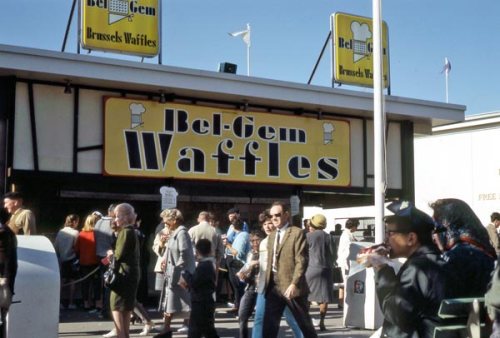
64-waffle-shop

Bel-Gem Waffle Stand at the 1964 World’s Fair in Queens

Leave a comment

Filed under Pastry Post-Poc, World Eats

Celebrate Canada Day with a Butter tart

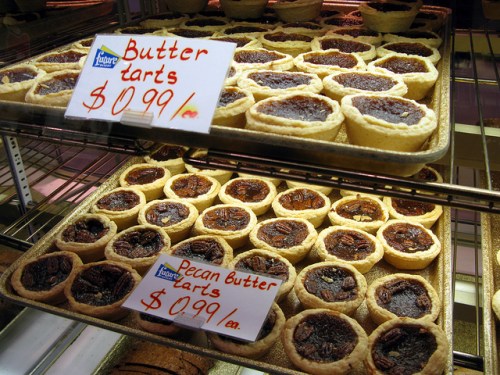
Butter Tarts

Butter Tarts in Toronto by Ursamajor

canadaThe Butter tart, along with the Nanaimo bar, is one of Canada’s most emblematic treats, and a perfect way to celebrate Canada Day on July 1st. The exact origins of the butter tarts are not known, though the treat is said to go back to pioneer days. Now you can find them across Canada, though their foothold is strongest in Ontario (where there is even a butter tart trail). The filling, as you might guess is primarily sugar and butter, with a little vinegar, though there may be some variations with nuts or raisins. The crust is a flaky pie crust, similar to an American pie, though butter tarts seem to usually come in miniature form. However, this is not an eggy custard like a Portuguese pastel de nata – it’s decidedly more sugary. Butter tarts actually sound kind of similar to a chess pie in the US, a Southern American classic. It is thought that both of these pies descended from a similar Scottish pie. I guess both come from the same principle – making a pie when there is not fruit available (or affordable enough) for filling.  Recipes for butter tarts abound on the internet – and you probably already have the ingredients on hand. Happy Canada Day!

Leave a comment

Filed under Pastry Post-Poc

Portuguese Pastry Post-Doc for the World Cup: Queijadas from Sintra

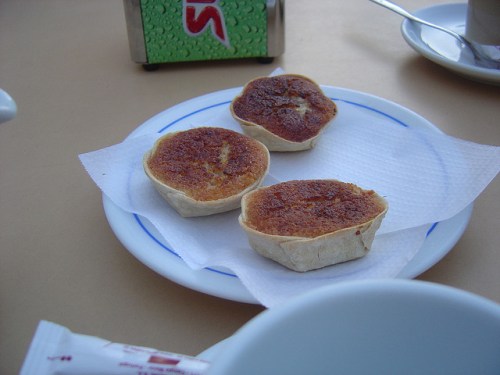
Portugal received a trouncing today by Germany in the World Cup, so if you are a Portugal fan, why not drown your sorrows in some delicious Portuguese pastry? One of the most emblematic pastries in Portugal is the Queijada / Queijadinha (simply, “little Queijada”), which is a sweet, baked cheese and egg tart from picturesque Sintra. It is actually kind of hard to describe since “cheesecake” in the USA conjures up memories of cool, creamy New York-style slices. Instead, the filling of a queijada is more solid and granular – not “cheesy” at all! But don’t let that dissuade you – they are delicious and unique in their own right. For the real deal, the best place to get queijadas in Sintra is the Piriquita Cafe/Bakery (Rua das Padarias, 1 – Sintra), a store that has been turning out the delicacies for over a century. If you are not in the vicinity of Lisbon, Honest Cooking and The Age have recipes to make your own sweet treats to smooth over any world cup moodiness.

Queijada

Queijadas at Piriquita by Sandra Rosa

3 Comments

Filed under Pastry Post-Poc

Fika – a Swedish coffee break in NYC

Fika
(Several locations)
41 W. 58th St.
New York City

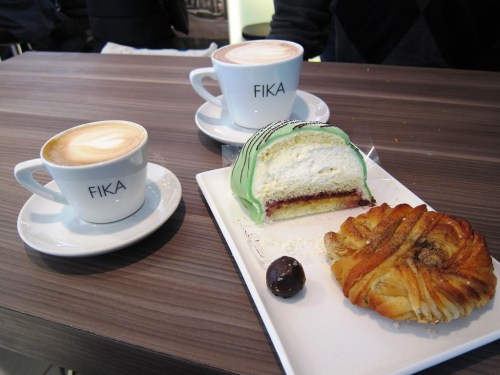
sweden_flagWe wrote several years ago about the iconic Swedish coffee and snack break – the fika – including a mention for the Fika coffee shop in NYC. The post got us really hoping to visit Sweden to enjoy an authentic fika. A few weeks ago, we were excited to visit Fika and experience a tiny bit of Swedish coffee culture right here in the US. NYC’s Fika cafe is just how we would imagine a Swedish coffeehouse to be: tiny and immaculate with only room for about 10 people at tall tables inside (if you are lucky enough to get a seat). Compared to US coffeehouse, Fika had a rather small menu of coffees. The coffee served here is actually roasted in NYC, but in the Swedish style. L ordered a cappuccino and the caffeine-averse M ordered hot chocolate. The coffee was light and flavorful and the hot chocolate was pleasingly rich.???????????????????????????????

Even better, there is a very nice selection of pastries and chocolate, including a wide variety of truffles and chocolates. In fact, Fika has its own chocolatier and several pastry chefs, giving the shop a constant supply of tempting sweets. We got a Cardamom bun, one of the most popular items, which was a rose-shaped croissant with a heavy helping of one of Sweden’s favored spices (there were also cinnamon and vanilla versions for non-cardamom fans). Of the chocolates, we tried truffles with goat milk, which was surprisingly delicate.???????????????????????????????

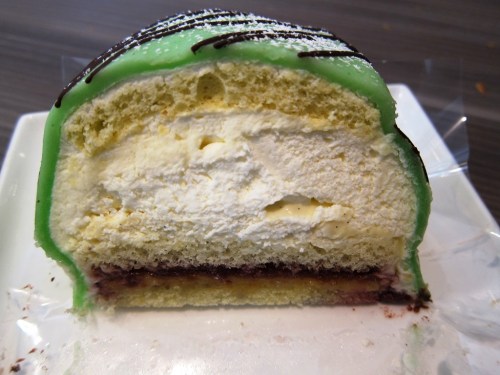
However, the showstopper was the Prinsesstårta, aka Princess cake. On their website, Fika even advertises that they are the “home of the Princess Cake,” which is no small feat. We have written about the painfully complex Prinsesstårta before (to date it is the the only cake we have seen that requires a diagram to explain) but we have never actually tried it until now. The version at Fika had all the requisite layers: sponge cake, whipped cream, jam and green marzipan. It was really enjoyable, and a lot more filling than we expected.???????????????????????????????

We are so happy to have found Fika, a little taste of Sweden in the US. Incidentally, when we went on a weekday morning, the cafe was full of Swedes! If you are feeling especially nostalgic, you can also bring home boxes of the stores coffee, tea, and Swedish berry preserves for your own little fika at home.

2 Comments

Filed under Coffee, Pastry Post-Poc, Reviews

Povitica: Eastern European Sweet Bread

SlovenianFlagFlag_of_Croatia.svgWithin the past week, we have come across references to Povitica at least three times, which seems like quite a lot given the fact that until now we had NEVER heard of it at all. Povitica (aka Potica) is a sweet yeasted bread, rolled with fillings like sugar, poppyseeds, nuts and sometimes chocolate. You can see this especially when you get a swirly slice/cross-section of Povitica. It also known in the US simply, a perhaps a little boringly, as “nut roll.”  The name Povitica comes from a Slovenian word, poviti,  meaning “to wrap in,” though the bread or similar varieties are found throughout Central and Eastern Europe, especially in Croatia and Slovenia. Brownie Bites has a recipe for nutty Povitica, and Serious Eats has a recipe for Chocolate and Walnut Povitica, which seems especially delicious.
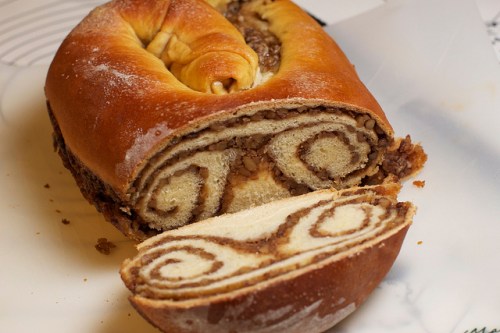
Povitica

Povitica by Tina Marie

2 Comments

Filed under Links, Pastry Post-Poc, Recipes

Macaroons AND Macarons for Passover

We love macarons, but the similar-sounding coconut macaroons don’t get much press on this blog. We know they are often confused with each other, even among foodies, with macroons being a coconut cookie, and macarons being a more delicate French sandwich cookie made of almond flour. As you can see, the double O really makes a world of difference. During Passover there is a prohibition against foods made with leavened flours and sometimes even corn products, according to tradition, limiting dessert options somewhat, which turned our attention to both macarons/macaroons. Macaroons, made primarily with coconut, meet this Passover dietary requirement, and due to how easy they are to make, they are really popular – even iconic – at the American Passover table. When invited to bring a snack to an event during Passover, I have often turned to coconut macaroons myself. Dan Cohen opines on the coconutty treat (and provides a recipe) in his macaroon bible, and more recipes abound online.

macarons

However, due to my focus on macaroons, I overlooked an equally suitable option – the 1-O French macaron. Macarons are made with almond flour, and not wheat, which makes them appropriate for Passover, though almond flour is unusual enough to make it a little difficult to find. The New York Times has a recipe for Kosher-for-passover macarons here, and they sound delicious. Though the 2-O macaroons are more common in America, the 1-O variety would be perfectly at home at the Passover table as well. Why not try something different?

Leave a comment

Filed under Holidays, Pastry Post-Poc

Pastry Post-Doc visits Ladurée in NYC

LadureeWindow

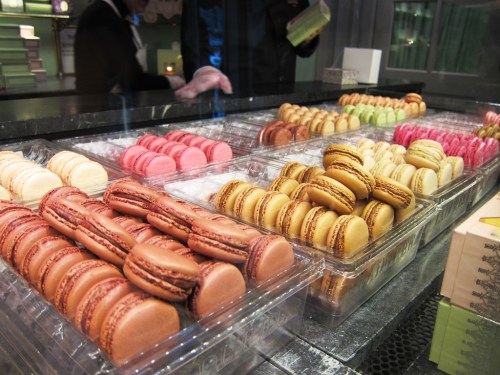
franceWe have a major obsession with macarons, and we ranked the macarons at Ladurée in Paris as our favorite. So how excited were we two weeks ago to be visiting friends in New York, home of a North American outpost of our favorite macaron purveyor. The Ladurée in NYC is on the upper east side (864 Madison Ave, New York, NY 10021), within a stone’s throw of the Whitney Museum. We went on Saturday afternoon expecting a line… and we got one. However, the crowd control was a bit more organized than the Paris location. Here in NYC, there was a bouncer to let only 20 people into the shop itself at a time. It took us about 20 minutes to get to the counter to order, and once we were there, it was only minutes until we were reunited with our macarons.Laduree macarons
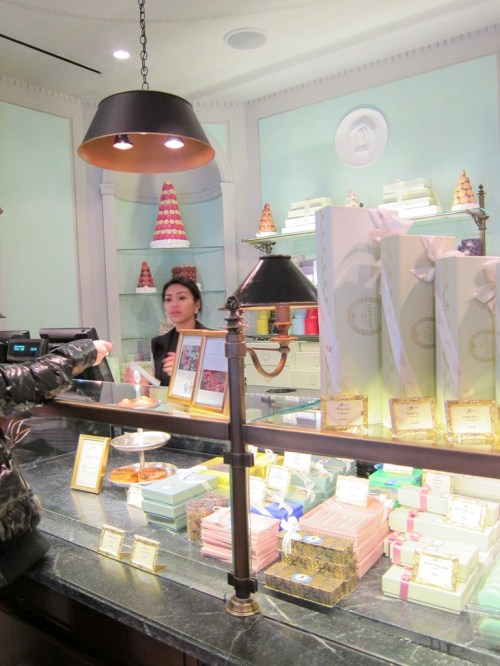
The store was just as picturesque as the original French outpost, all done up in pastels, with mirrored cabinets and little towers of macarons perched on ornate boxes. In addition to macarons, the store was jam packed with chocolates, jam, ice cream and even coffee. Of course, there was also a huge selection of food and trinkets emblazoned with the Ladurée logo. Yet as always, we were single minded in our mission.Laduree macarons

After the bouncer let us pass, we swarmed the macaron counter, which boasted over a dozen varieties, including our perennial favorites chocolate and salted caramel. As in Paris, the flavors are displayed on a little graphic menu, as displayed at the bottom of the post. There were other classic flavors including pistachio, coffee, lemon, raspberry and strawberry, as well as some more esoteric varieties including orange blossom, black forest and the quixotically-named Marie Antoinette (Earl Grey tea, though the macaron itself is blue).Laduree MacaronsIt was a steep $21 for six, but we felt it was worth every penny, as we indulged in our macarons on a bench in Central Park. The salted caramel and chocolate were also a big hit with our friends, and we are happy we brought over some new macaron addicts to the fold. Word on the streets is that there is now a Ladurée in Soho (398 W Broadway, New York, NY 10012) with a tea room. Maybe that will be our next macaron mission (if we can get past the bouncer).

laduree macarons

Leave a comment

Filed under Pastry Post-Poc

Pastry Post-Doc: Abuela Maria Ice Cream at Azucar

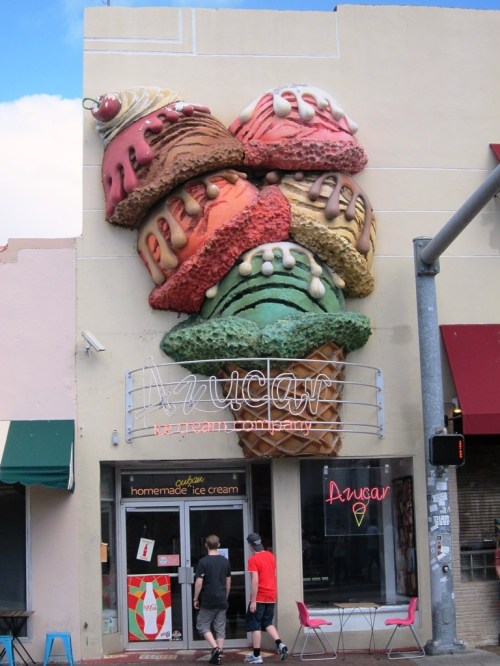
Azucar Ice CreamSo obviously we are going to be obsessed with any ice cream store that is named in homage to Celia Cruz’s signature phrase and has seats made from guayabera shirts. Azucar Ice Cream (1503 SW 8th St., Miami, FL) is all that and more – and the ice cream is more than good! There is a huge list of flavors written on the chalkboard wall, but only a portion are usually on offer. The flavors that stand out are the tropical varieties: plantain, Cuban coffee and mango, etc., and of course Abuela Maria! This flavor consists of Maria sugar cookies (apparently found all over the world in various forms), cream cheese and a guava swirl. We instantly fell in love. It was just like eating a guava cheesecake; absolutely wonderful. This flavor in particular seemed to be so popular that we saw it on offer at several other restaurants throughout the city. If you are in Miami you have to try it!
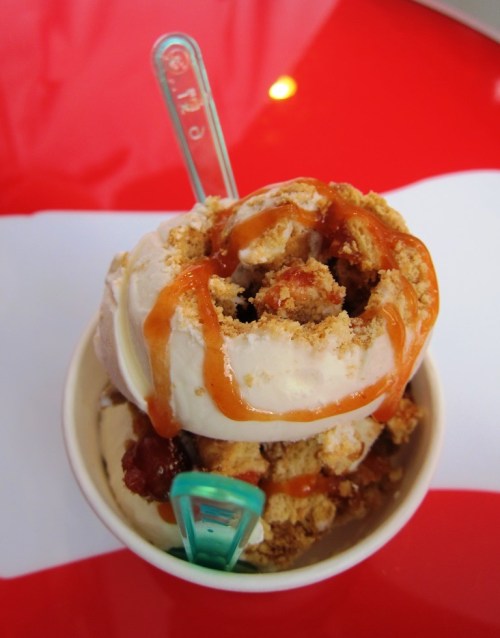
Azucar Ice Cream

Abuela Maria from Azucar Ice Cream

1 Comment

Filed under Pastry Post-Poc, World Eats

Happy Valentine’s Day Macarons!

image

Last week I was surprised with a Macaron-making class at Give Me Some Sugar with Chef Jerry in Roscoe Village. I would highly recommend it, and check out the macarons M and I made! I think they turned out pretty well. The flavors are Nutella, Salted Caramel, Raspberry and Lemon, in Valentine’s Day colors of course. Hope you get to enjoy some sweet treats today. What are you making?

1 Comment

Filed under Holidays, Pastry Post-Poc

San Juan Icon La Bombonera Closes

Flag of Puerto RicoWhen we went to San Juan, Puerto Rico, one of our favorite places to eat was the stalwart La Bombonera, an excellent place to grab a pastry and while away the time. Unfortunately, it has come to our attention that it has recently closed! There was talk of re-opening but it seems unlikely. Sad day for pastry-lovers in San Juan.

La Bombonera

La Bombonera in San Juan by John Picken

Leave a comment

Filed under Links, Note, Pastry Post-Poc

Silver Star Portuguese Bakery in Providence

Silver Star Bakery
150 Ives St.
Providence, Rhode Island

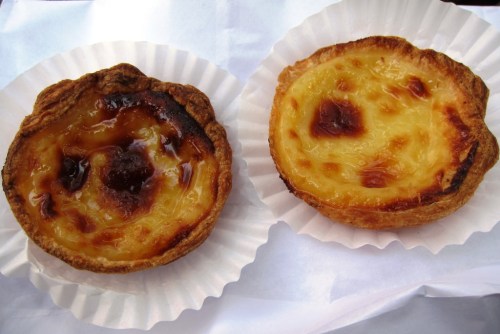
Silver Star Bakery’s English name belies its specialty in all things Portuguese – after our visit we think it should probably be called Estrela de Prata instead. From our Pastry Post-Doc in Portugal we became very well-acquainted with the country’s extensive sweet heritage. As you know, we here at ETW are particularly obsessed with Pasteis de Nata (Portuguese egg custard tarts), and, sadly, there is absolutely no place to get them in Chicago. Fortunately, Providence has a large Portuguese population, with the bakeries to match. We figured we’d be able to find Pasteis de Nata at Silver Star, and there was indeed a large tray on display when we arrived, for only $1.75 a pop.

???????????????????????????????

We are pretty discerning about our pasteis, and have specific criteria for what makes one perfect, as we detailed in our rubric for the best pasteis in Lisbon. The version at Silver Star was excellent, and even surpassed some of the versions we had in Lisbon. The crust was flaky and crispy, not soggy at all; and the filling was light and creamy. The caramelization of the top was also perfect! These were the American pasteis we had been waiting for, and we even got to order in Portuguese. Now if only we could replicate them at home….

???????????????????????????????

But even though the Pasteis de Nata are the star, other Portuguese specialties available include Malasadas, Portuguese sweet rolls, fradinhos and more. There is also a wide selection of American treats including cookies, mini tarts and doughnuts. We also sampled a fradinho, a sweet tart with a bean filling dusted with powdered sugar, which was delicate and tasty. We visited Silver Star twice, once on our way to the Brown campus, and another time on our way to the airport (we absolutely had to get another round before we got home). If we lived in Providence we guarantee that the majority of our diet would consist of solely Silver Star pasteis.

???????????????????????????????

Leave a comment

Filed under Pastry Post-Poc, Reviews

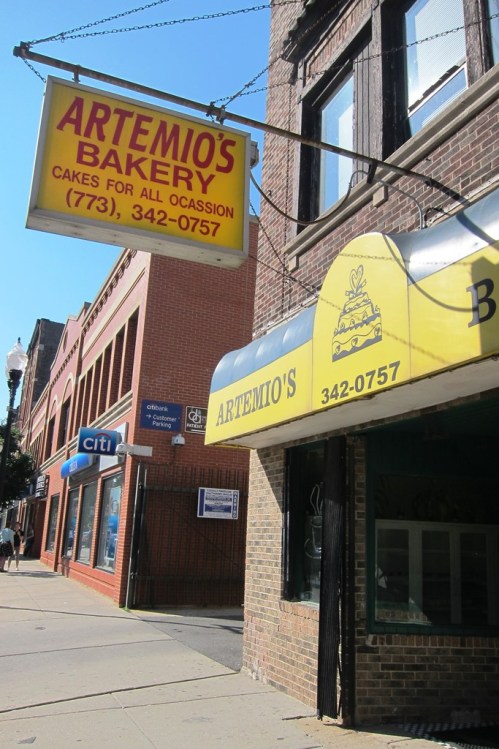
Time Warp in Wicker Park: Artemio’s Bakery

ArtemiosSign

Artemio’s Bakery
1443 N. Milwaukee Ave.
Chicago, IL

Every time we go to Wicker Park the landscape is slightly different than the time before, with upscale stores and eateries seeming to carve out a larger footprint each visit. Time marches on, however there are some places that stay the same even though everything around them changes. One of those stalwarts is Artemio’s Bakery, which seems like it is a transplant from another era. Walk in the front door and you will feel like you are in a time warp – the bakery is crammed with wooden cases and the strong aroma of butter and sugar is unmistakable. But don’t worry, in this case a time warp is a good thing, the pastries are old-school and everything is unbelievably cheap! 25 cents for a cookie? Heck – 25 cents for anything?!?! Even in Brazil the smallest piece of candy was usually 50 cents apiece (R$ 1). Cookies at Artemio’s are only 25 cents and larger pastries like croissants or conchas are barely a dollar.

Artemios

The selection is wide (though unlabeled, so you may have to guess or ask), and you can get nearly every kind of Mexican pastry, as well as American classics. We spotted croissants, cupcakes, coconut macaroons, many types of cookies, tarts, elephant ears, doughnuts, sweet rolls and cakes by the slice including chocolate and tres leches. This time around we ordered several black and white cookies and a giant sugary croissant – both delicious – and they set us back less than $2. As we trailed sugary crumbs down Milwaukee avenue we were satiated and happy. Definitely check out Artemio’s for a cheap sugar fix and for a time warp back to old-school Wicker Park.

ArtemioPastry

Leave a comment

Filed under Pastry Post-Poc, Reviews

Traditional Spanish pastries at La Mallorquina in Madrid

La Mallorquina
Calle Mayor, 2
Madrid, Spain

spainA seemingly endless window display of beautiful pastries, cakes and candies first entices you in to La Mallorquina. Taking the opportunity to have a weekend brunch and try some new-to-us pastries in the process, we quickly entered. The bakery was packed to the gills, it looked like half of Madrid had the same idea for brunch! La Mallorquina’s bottom floor is a traditional bakery, with stand-up counters where patrons quickly enjoy coffee and a sweet. The full tea room is located upstairs with tile floors and wooden tables. “La Mallorquina” means the little woman from Mallorca, and is also the same name of a famous old cafe in Puerto Rico (no relation). The Madrid cafe was established in 1894, and looks like it hasn’t stopped churning out treats since.

???????????????????????????????

La Mallorquina had a huge selection of baked goods, cakes, sandwiches and coffee drinks, and you can order anything in the tea room that is in the front counter. The selection was nearly overwhelming, but we went in with a few recommendations (the chocolate napolitana is a specialty, as are the rosquilla rolls). We were interested to see some of our favorite treats that are popular in Puerto Rico: mallorca and ensaimada. We went to the bakery around Christmas time, so Christmas favorites like Turron were also on offer. 

???????????????????????????????

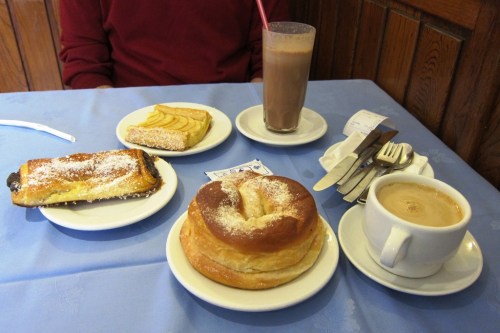
We made our way up to the tea room and were lucky enough to find a spot. We picked an apple tart, a Napolitana and ensaimada. The ensaimada is a rich brioche roll, which was perfect with butter and the apple tart was fresh and had a sweet glaze. However, the chocolate Napolitana was definitely the star of the show, think a rich croissant filled with chocolate custard. Of course, to complement our brunch we had a cappuccino and some chocolate milk (we also hear the orange juice is excellent). Given the sheer variety, there were so many selections we wish we could have tried. The torrija, a Spanish take on french toast looks amazing. If you are looking for a classic Spanish pastry experience, this is definitely the place. Just be prepared for a crowd!

???????????????????????????????

1 Comment

Filed under Pastry Post-Poc, Reviews

Chocolate and churros in Madrid

spainOne of our favorite things to do in a country is to sample their typical iconic breakfast foods. We have found some of our most favorite foods this way – yogurt and honey from Greece, helva from Turkey, Torta Caprese from Italy, etc. –  and we find it quite a lot more enjoyable than taking a bland continental breakfast. In Spain, the breakfast treat of choice is hot chocolate and churros. In the US, churros have something of a dubious reputation. While, of course, you can find some excellent renditions of churros in the US, the sugar-coated, soggy churro is often the purview of school lunches and amusement parks. I had personally sworn off churros after they were the only dessert offered in our junior high cafeteria. However, I am open to an opinion change.

Churros and Porras

Churros (left) and Porras (right) at Chocolatería San Ginés in Madrid

Churros are a different affair in Spain though: no extra sugar is added, and the fried pastry is the whole deal. However the best part of having churros is dipping them in the thick, rich hot chocolate that traditionally accompanies them. No Swiss Miss hot chocolate here: this is thick, rich sipping chocolate. They sometimes even give you a little spoon to eat it with. We tried chocolate and churros and two locations in Madrid, each of which was completely different.

Waiting in line at San Gines

Waiting in line at Chocolatería San Ginés

The first stop for churros was Chocolatería San Ginés (Pasadizo de San Ginés, 5, Madrid). All they serve is chocolate and churros, and boy do they serve a lot! We went on a Saturday night, which admittedly is probably the most crowded time you can get chocolate and churros, and there was a line snaking out of the door. The routine is similar to Giolitti: you order and pay and then get a receipt for what you ordered. If you are able to get one of the tables (either inside, outside or in the basement) the waiter will take your ticket and give you your order. The only things available to order are chocolate, churros and porras (a thicker churro). The churros were excellent: a nice portion and not at all greasy. The cost of a cup of chocolate and 6 churros is less than 4 euros.

Chocolate and Churros at San Gines

Chocolate and Churros at Chocolatería San Ginés

On our last day we sampled churros from Chocolatería Valor (Calle Postigo de San Martin, 7, Madrid), which is more of a regular full service café. We visited Valor at an admittedly off hour, 8:45 on a Monday morning. So we were very pleased to find that a fresh batch of churros was fried up just for us. Perhaps as a product of their freshness, we found these churros a little greasier than the offerings from San Gines. However, the price was a lot cheaper, and you could get additional items off of the menu if you so desired. There are even paper cones for those who want to take the churros to go.

Chocolate and Churros at Valor

Chocolate and Churros at Valor

Going to Madrid completely changed my idea of the churro (especially when combined with hot chocolate). We especially enjoyed Chocolatería San Ginés, and we are looking forward to going back someday and trying more varieties. Do you have a favorite place for churros in Madrid?

Leave a comment

Filed under Finer Things Club, Pastry Post-Poc, World Eats

Baking Bread with the Tangzhong method

JapanOur previous attempts at making bread were not terribly successful, but we’d love to give bread making another try. One of the techniques we recently learned about was the Japanese Tangzhong bead-making method, which involves making a roux (called the Tangzhong) and incorporating it into the dough. Apparently this addition results in a very soft, tender loaf of bread. There are countless different breads you can make with the Tangzhong method, and many recipes we found are for various types of Hokkaido Milk Bread (here’s a cinnamon and chocolate chip version and a Nutella version). We had a favorite milk bread back at our local fruteria in Chicago, and we are mourning the fact that they don’t carry it any more. Maybe some of these Japanese milk breads are worth a try to fill our cravings. You can also try your hand at hot cross buns and 10 grain milk bread made with the Tangzhong method.
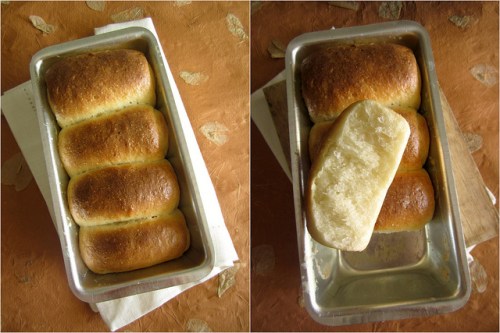
Hokkaido Milk Bread

Hokkaido Milk Bread by Divya Kudua

1 Comment

Filed under Pastry Post-Poc, Recipes

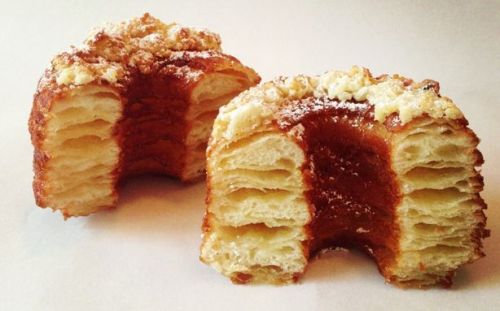
What is a cronut?

Cronut

Dominique Ansel Bakery’s Infamous Cronut

Happy National Doughnut Day! So we’ve been out of the country for roughly the past 9 months, and we definitely feel out of sync with current American culture. We’ve definitely missed out on doughnuts, and most American food trends. It was just yesterday that we learned of the latest food craze sweeping the US (which happens to be doughnut related): the cronut. A cronut, as the name might imply, is croissant dough shaped like a doughnut, and then fried (which is apparently extremely difficult). The confection was first created at the Dominique Ansel bakery in New York City, and every day’s fresh batch draws a huge crowd. The cronuts sell out so fast there is something of a gray market springing up around the coveted cronut (only 200 are produced per day), and many are resold to cronut fans at inflated prices. You can try your hand at diy cronuts with ready-made croissant dough. Of course, along with a meteoric rise to fame, there is a backlash. Only in America!

Leave a comment

Filed under Pastry Post-Poc

Pastry Post-Doc: Brazilian Brigadeiros for Chocolate Lovers

brazilAs much as cupcakes and the myriad permutations thereof are popular in the USA, brigadeiros are the primary bite-sized dessert in Brazil. Named for a Portuguese brigadier in the 1940s, a brigadeiro is essentially a chocolate caramel truffle coated in chocolate sprinkles. However, much like cupcakes, riffs off of the traditional brigadeiro are increasingly common, including exotic flavors and coatings. If you are not looking for anything fancy, the basic brigadeiro is found at most Brazilian restaurants and cafes, and pretty much every snack shop has brigadeiros in stock for less than a dollar. Perhaps the best thing about the brigadeiro is how easy it is to make, and how few ingredients it requires. For example, this America’s Test Kitchen recipe has only condensed milk, butter and cocoa. Some other recipes, like these from Honest Cooking and Cuca Brazuca also require chocolate drink powdered mix. The typical finish for a brigadeiro is being rolled in classic chocolate sprinkles, though another Brazilian favorite is a coatings of large black and white candy puffed-rice spheres known as “crocantes.” Of course you can also play with different brigadeiro flavors, including peanut butter or almond

Classic Brigadeiro

Classic Brigadeiro by Mayra ChiaChia

If you are in Brazil, we highly recommend some exploration to find your favorite brigadeiro. Nearly every corner bakery/cafe/deli/lanchonete will have brigadeiros for sale, so you can sample dozens a day, if you would like. If you are going for something unique, visit Maria Brigadeiro ( Pinheiros: Rua Capote Valente 68) in São Paulo, where there are over 20 varieties of gourmet brigadeiros available at the shop, including esoteric choices like Port Wine or Sesame. Time Out São Paulo has a feature on the some of the other best brigadeiros in Sao PauloOur favorite Brigadeiro stop in Salvador was Brigadeira Mix in Shopping Barra, which was just a small kiosk, but it boasted a large variety of flavors, including our favorite, negresco (cookies and cream). But brigadeiros are not only the purview of fancy shops. In Rio de Janeiro you can buy them on the street (though it is a wonder that they don not melt in the heat).  Our favorite classic brigadeiros in Rio de Janeiro are found at Bomboniere Pathe (Centro: Praça Floriano nº- 45). But don’t take our word for it – go try some for yourself!

1 Comment

Filed under Pastry Post-Poc, World Eats

Paçoca de Amendoim – Brazilian peanut candy

Brazilians love little candies and treats, and at some places, like Perini supermarket, you can buy the individual bite-sized treats and create your own box of goodies. One of these popular treats is Paçoca de Amendoim – kind of a riff on Peanut Fudge – with the added texture of Manioc flour. The name comes from the Tupi word Posok which means “to crumble.” Making Paçoca is super simple, and we found versions at Pink Bites (using cookies instead of manioc) and Flavors of BrazilAs Flavors of Brazil points out – there is a dish also called paçoca that is completely different – think beef and onions. We actually ran into this situation at the São Cristóvão market in Rio – which has food from the Northeast – both kinds of paçoca were for sale. Be careful you order the one you’re intending!

Leave a comment

Filed under Links, Pastry Post-Poc, Recipes, World Eats