
 M is a ceviche aficionado, so we did a lot of research to find the best ceviche in Lima, Peru before we arrived. In terms of Ceviche, anyone visiting Lima is absolutely spoiled for choice. Ceviche, which is basically an art form in its native Peru, is simply raw fish or seafood “cooked” in citrus juice and chiles (known as “tiger milk”). However, in our research, we found a few ceviche-centric picks that rose to the top, including El Mercado (Hipolito Unanue 203, Lima, Peru) in the trendy Miraflores neighborhood. Mercado is the brainchild of chef Rafael Osterling, and it is known for offering both traditional and nouveau takes on ceviche.

There are no reservations accepted at El Mercado, so in order to get a table, people line up outside before opening time (maybe using the word “line up” is too strict) to get a table. We heard that lunch was an easier sell than dinner, so we waited outside for the restaurant to open for about 45 minutes. When the restaurant finally opened up at 12:30 we were among the first 20 to get in – and we were very happy to have secured a table (though, to be honest, the restaurant wasn’t full at that point, so we probably could have just arrived when it opened, but YMMV). The restaurant itself was partially open to the elements, and live trees grew straight through the floorboards. We enjoyed the woodsy, convivial environment, and it really felt like you were eating outside. We also liked that there was an open window to the kitchen where we saw a bevy of female chefs at work.

We were surprised by the sheer size of extensive menu of tiraditos, causas, ceviches, salads, sandwiches, sushi and more substantial wood-fired dishes like lobster and whole grouper. If your taste is not necessarily for ceviche, there will still be dozens of options for you. There are inventive starters including a suckling pig spring roll and scallops in spicy ceviche “tiger milk.” Despite all this choice, we were most intrigued by the two classic categories of Peruvian appetizers: tiraditios, thinly-sliced fish with citrus; and causas, Peruvian potatoes mixed with chilis and other fillings like fish and avocado. We decided to sample the Causa Tumbesina, with yellow Peruvian potatoes, shrimp, crab and avocado (42 Soles), which was a delicious mixture of textures and mild spiciness that we were not expecting.
However, the stars of the show are Mercado’s ceviches, of which there are 8 varieties, inspired by different areas of Peru, and the ingredients local to each region. In a dish with relatively few component, every element of the ceviche has to be absolutely perfect, and M certainly has a critical eye for ceviche. Unique options included the “Galactic ceviche” with Lemon Sole, Bull Crab, and Scallops Cooked in Lime Juice and Sea Urchin “Galactic Milk.” We selected two different types of ceviche: the classic Lenguado (55 S): Lemon Sole in Lime Juice, Chili “Tiger Milk” Red Onion, Cilantro, Iceberg Lettuce, Sweet Potato & Corn and the more avant-garde Norte-Norte (54 S): Sea Grouper, Cockles, Shrimps, Green Banana Majado (fried mash) & Chili.
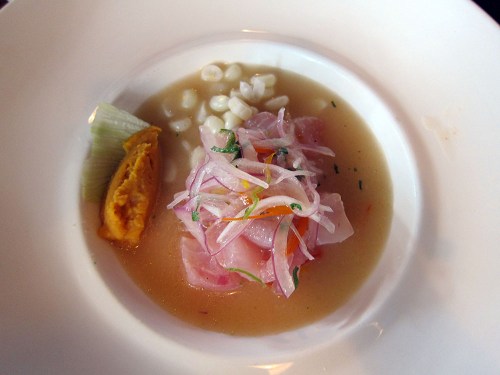
The seafood in both ceviches was super fresh and delicate, and was some of the best fish we had ever tried. Each was garnished simply with large Peruvian corn kernels- choclo– and mashed sweet potatoes or plantains. The flavors of each ceviche were clean, simple and not over-complicated. M admired the technical perfection of the Lengaudo ceviche, with its perfectly uniform slices of fish, and just the right amount of onions with a pungently citrus-y tiger milk that was not overpowering. Mercado’s rendition was basically a template for everything a classic ceviche ought to be. We were struck by the purple color of the Norte-Norte ceviche, and the tantalizingly smoky flavor of the chilies. Upon consideration, M deemed the Lenguado as his favorite ceviche of the trip. We would highly recommend Mercado for all things seafood, but if you are ceviche lover, it is a must-try!
 New Orleans is one of our favorite food cities (heck, ANY type of city) in the US. Unfortunately, it seems like NOLA only enters the general public consciousness around Mardi Gras Time (which is right around the corner). We like to go to New Orleans on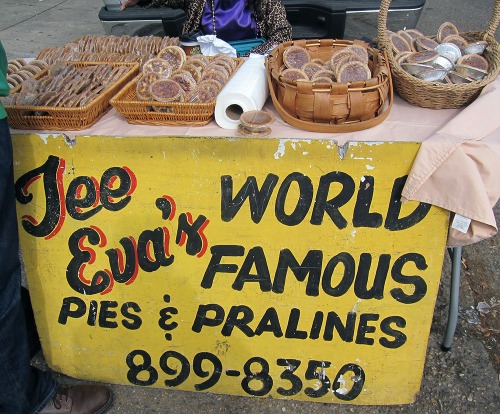
 By now, it is pretty much common knowledge by now that Rick Bayless has something of a Mexican food empire in Chicago. In 2016, that empire grew by two more – Leña Brava (900 W Randolph St, Chicago, IL) and Cruz Blanca. These two restaurants are more modern, updated spots in the always-buzzing Randolph Street corridor in the West Loop. Cruz Blanca’s is a brewery with a taco bar, and Leña Brava is all about the wood-fire grilled seafood, Baja California-style. When choosing between the two we knew we had to go with the wood fire! In any case, they are basically connected, so you don’t necessarily have to choose -if you want to grab an after-dinner drink at one or the other.
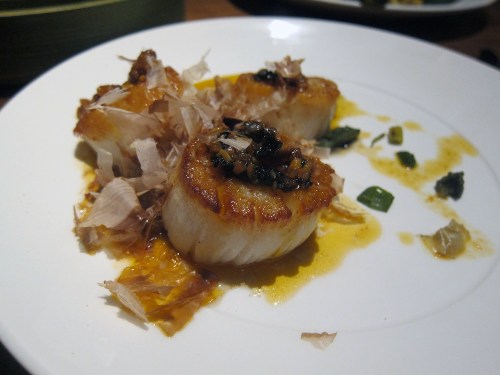
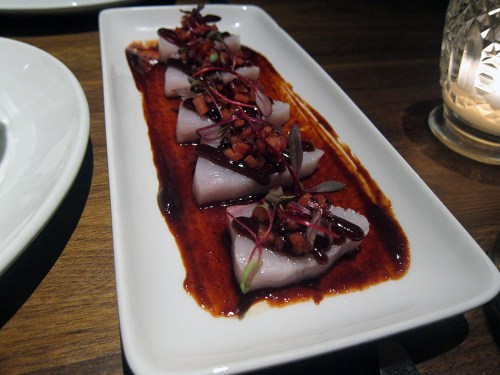 The interior of Leña Brava is sleek and stylish, and seems to draw a similar crowd, fitting with the location. The massive wood-fire grill is one of the features of the restaurant, and it is in full view of diners on the first floor. Not everything is wood-fired, though. The menu is divided into both hot and cold items – in sections called “ice” and “fire.” The cold menu is composed of oysters, ceviches, seafood cocktails, aguachiles (similar to a ceviche, but with a super-spicy broth) and laminados (raw sashimi-style fish – above). On the hot side of the menu, you can get grilled fish, pork belly, scallops or even roast chicken for two. We decided to sample items from both the hot and cold sides.







 As we enter mid-February, Carnevale / Mardi Gras / Carnival is right around the corner! It’s never too early to start planning some sweet treats for the festivities. In Italy, Carnevale is a big deal, and Mardi Gras (or Shrove Tuesday) is celebrated with sweet, fried dough fritters called Chiacchiere. The simple-to-make Chiacchiere is popular throughout Italy, and goes by
 We have had a lot of Middle Eastern and Mediterranean food in our day, and to be honest, a lot of it tends to run together. So we are always glad to happen upon spots that serve more regional dishes beyond the ubiquitous kebabs and hummus. At an unassuming strip mall in Avon, we found a hidden Turkish gem doing just that: Istanbul Grill (35840 Chester Rd., Avon, OH). One thing that sets Istanbul Grill apart is that it serves some slightly more unusual (and authentic) Turkish dishes you won’t see elsewhere. For example you can get kebabs over diced bread, a serving style that is common in Turkey, but I haven’t really seen much in the US. They also serve Lahmacun ($13.49) on Sundays – a Turkish pizza-style flatbread topped with ground lamb.


 Who would have thought that Logan Square in Chicago would be home to a cafe with amazing hommade Chai and Nepalese food? We wouldn’t have either, until we came across the eclectic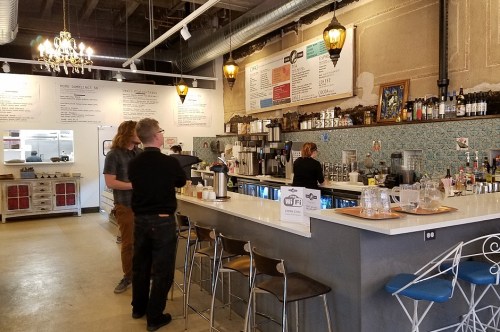

 At first glance, it may seem that Chiya Cafe is trying to be too many things at once. As if the current options were not enough, for dinner, they also open up the larger dining room in the back and serve more substantial meals and alcohol. However, somehow it all works. The Nepali small plates and the chai work well together, and we were happy with everything we sampled. If you are a tea fan, make sure you sample some of the real stuff at Chiya Chai cafe. You’ll never be able to drink boxed chai again.


 The neighborhood of

 One of our favorite Thai dishes is the Northern Thai specialty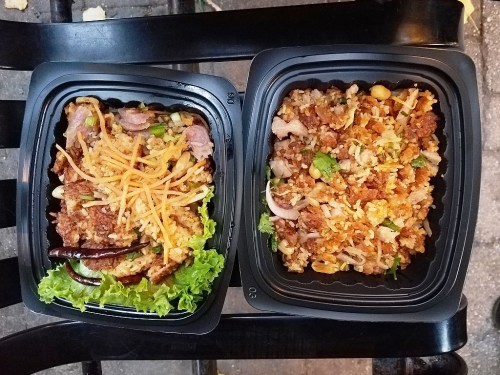


 We are starting the year with a tip about what may be the best brunch place in Toronto.
  Even with all of this selection, our favorite thing about Karelia Kitchen is that they have Pulla Bread! Pulla bread is a traditional Finnish cardamom bread, which is particularly hard to find pretty much anywhere in North America, and this quest is what initially led us to Karelia.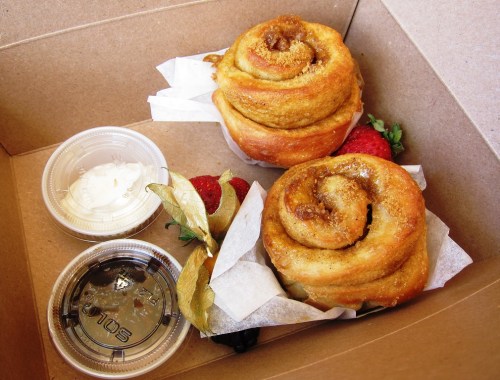
 One of our friends’ mothers recently gifted us a large
 We visited

 Looking for a beverage to serve at your holiday feast, and wanting something a little different than Eggnog? Try some Chilean Cola de Mono – literally “Monkey Tail.” Cola de Mono is similar to a White Russian and contains milk, coffee, aguardiente, spices and and sugar – served chilled. No one is quite sure where the name “Monkey Tail” comes from, but theories abound: it will have you swinging around like a monkey, it was originally bottled in discards from the Spanish Anisette brand Anís del Mono, or another apocryphal story that it is a morphing of the name of former president
 We recently dove into

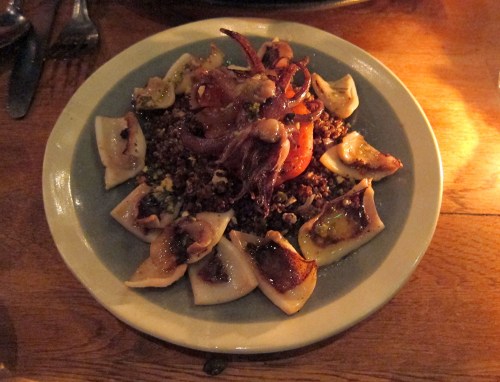
 The focus of the menu is the handmade pasta, which is divided into two categories – Pasta tipica (classics) and pasta atipica (less traditional riffs on classic dishes). Intriguing “atypical” selections included a duck egg ravioli with pork and a wok-fried arrabiata with gulf shrimp. More traditional pasta dishes included pumpkin-filled tortelloni. Appetizers, called “snacks,” included raw hamachi and octopus spiedini. Small plates included country ham with buffalo mozzarella and mushroom and polenta stuffed cabbage. Monteverde also has a good wine menu and some distinctive non-alcoholic drinks including Sicilian lemonade in the summer and spiced soda in the fall.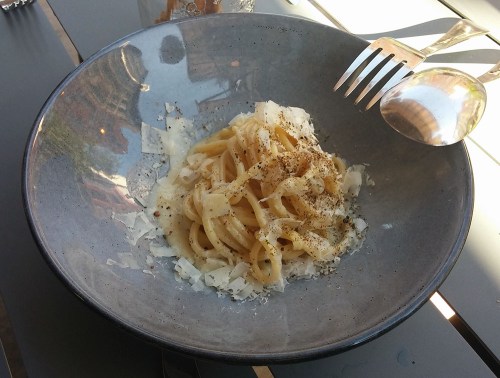


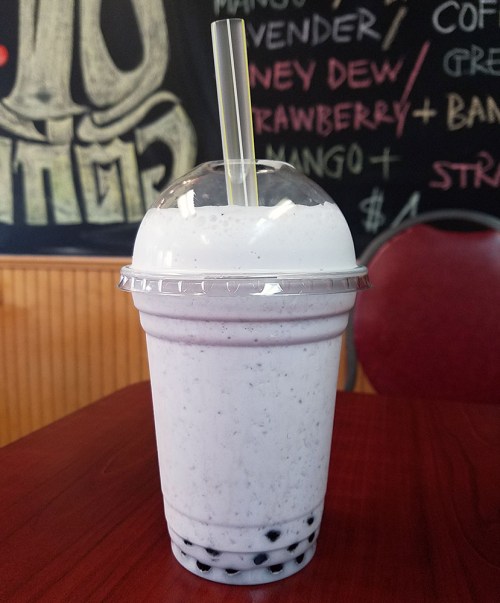
 We’ve been back to Philadelphia twice in the past year – after having not visited since 2008! It’s good to be back to try all of our old classic haunts like Jim’s and
 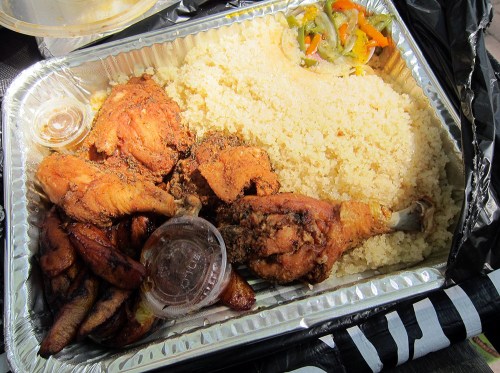 Know before you go: Kings and Queens is cash only and takeout only. The menu is handwritten, and there are only a few things to choose from (all with either the option of fried fish or chicken for between $10-12) : Acheke/Attiéké, Kenkey or Jellof/Jolloff rice. Other options include Fufu and Pepper Soup, and a side order of plantains. You can get a ginger drink or Vimto soft drink to wash it down – but that’s the entire menu! We asked the cashier what his favorites were and he heartily recommended the acheke, which is a fermented cassava couscous, with a great sourdough flavor.
 We ordered the acheke and peanut stew (which seemed to be a special – above), both with chicken, along with a side of plantains. The acheke itself was topped with a big helping of fresh-out-of-the-fryer fried chicken. The chicken stew came in a separate container, and was a combination of a rich peanut and tomato sauce, a bit of palm oil, and grilled on-the-bone chicken. We ended up pouring most of the peanut stew over the acheke. Along with the main courses and the delectable side order of fried plantains, we also received pickled veggies and super hot habanero sauce. The food only took about 20 minutes to come out, and as you can see above – we got a ton (and that’s only half).
 We took our big platter of food to go and ended up eating on a bench on Penn’s nearby campus. When we saw the amount of food that came in a single portion, we can’t really imagine how much food was in a party platter. Everything, by the way, was totally delicious. The flavors were similar to Senegalese food, but a bit spicier. If you are up for some adventurous eats definitely try Kings and Queens. It’s a no-frills place, but the food is great and they couldn’t have been friendlier.


 Eating The World