If you’re looking for that “kid in a candy store” feeling, there is nowhere better to visit than Sockerbit (89 Christopher St New York, NY 10014) in New York City. The best part about Sockerbit is that, unless you are Swedish, you have probably never seen any these candies before, which makes the adventure all the more fun. All of the bulk candy in Sockerbit is sold by the pound ($12.99) so you can grab a bag and pick out your own perfect selection from the dozens (hundreds?) of varieties. Here is a preview of a few of the candies you can get.
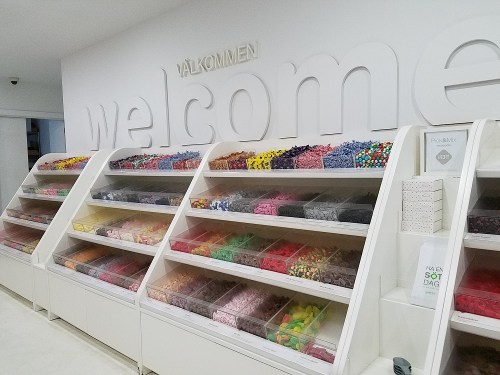
- There is a huge variety of gummy candies, in any shape you could ever want, including old favorites like bears, worms, cola bottles and fish. But the fun doesn’t stop there, the beauty of Sockerbit is that there are also dozens of particularly unique shapes like sour apple skulls, pink dolphins and raspberry Ferarris.
- Hard candies like the wrapped mint Marianne variety and fizzy raspberry balls
- Traditional Swedish licorice in both hard and soft varieties, some of which is super strong and almost spicy, like the hard Napoleon variety. Other varieties like Salmias are salty!
- Flavored Sockerbitar marshmallows in flavors like strawberry (the Swedish word for marshmallow is the namesake of the store)
- Wrapped toffees and caramels, both hard and soft, in some more unusual flavors like the Swedish Christmas cookie Pepparkakor
- Chocolate with fillings like muesli, toffee or hazelnut

In addition to the overwhelming amount of candy, Sockerbit also has a small assortment of Swedish ingredients like coffee, jam and flour along with boxed candies and cookies. You can also buy modern Dala Horses and and housewares, if you are looking for something a little more durable. Plus, Sockerbit is also one of the few places you can find the famous Swedish Polkagris candies in the US. If you can manage to save some of your candy haul, these also make a great souvenir!


 The history of the


 Kolaczki are woven into Chicago food culture so deeply that it took me a while to realize that they were indeed a “foreign” cookie. Kolaczki dough is made with cream cheese, and it is traditionally folded (as below) over a filling of fruit – raspberry, plum or apricot usually – or sweetened cream cheese. Originally, the kolaczki is said to be from Poland (though its exact origin is unknown), and are popularly seen around the holidays. They seem to be just as popular in Cleveland, where we learned that they are known as Kiffles in Hungarian. This type of cookie is found throughout Central and Eastern Europe, with several variations, including a circular shape. Even more confusingly, there are many similarly-named desserts, including the Czech kolache, which is more like a yeast roll, and is most popular in Texas (post forthcoming)! Here is

 This year, Lunar New Year falls on a Friday! If you will be celebrating Lunar New Year in Korea the festivities are called

 The first stop on everyone’s Peru itinerary is Machu Picchu, and probably rightfully so, but Peru is full of so many other beautiful natural sites. One of the most impressive places we went in Peru was the



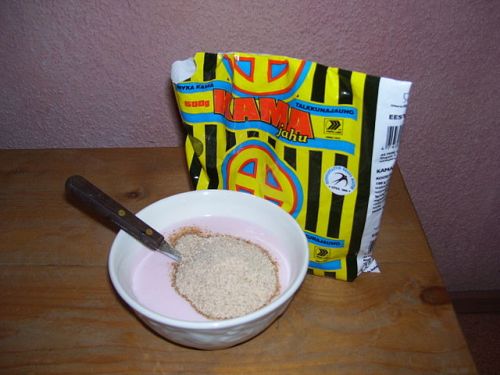
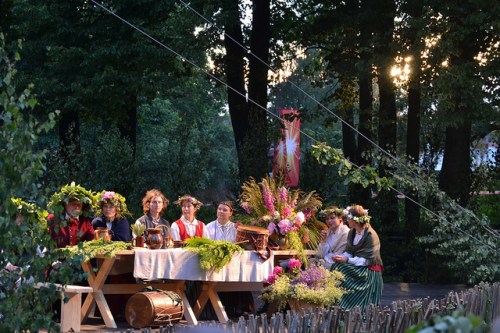
 One of our friends is taking a trip through the Baltic countries and put out an open call for recommendations of unique things to do, and foods to try in the area. We must confess that we don’t know that much about Baltic food, but are always eager to learn more. One of the most intriguing and unusual Baltic foods we learned about was

 There are two athletes from Syria on the

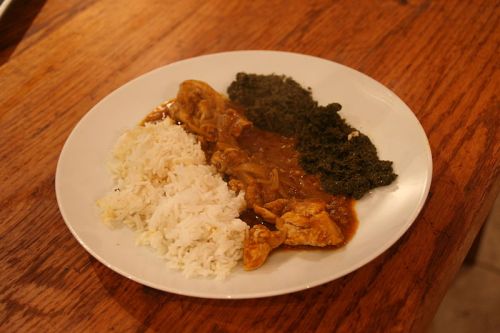
 When researching the national dish of the Democratic Republic of the Congo, one of the countries represented on the
 B
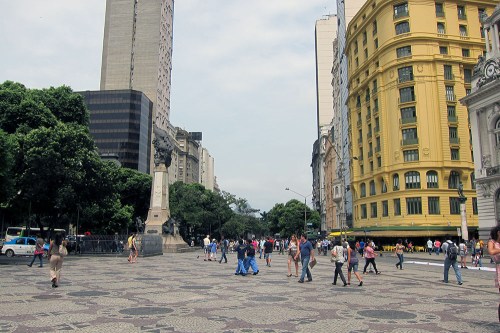
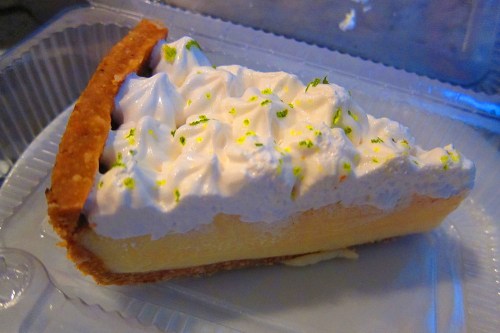
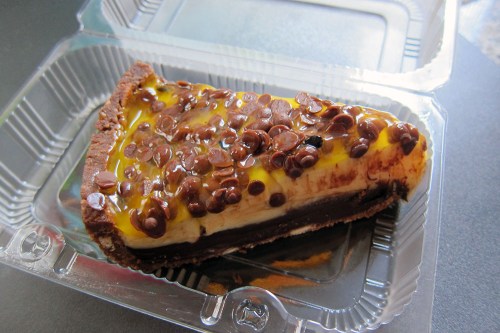
 Though the theater is closed, this tiny corner shop that sells nothing but cake is still chugging along. The store is blink-and-you’ll-miss-it-small. But don’t let the humble appearance fool you – the cakes are amazing! There are a dozen or so traditional and exotic flavors available every day, and are worth a special trip. It costs $R 5 for a slice, and $R 65 for an entire cake. With the current

 Kosovo,

 Summer is finally here! We recently wrote about the



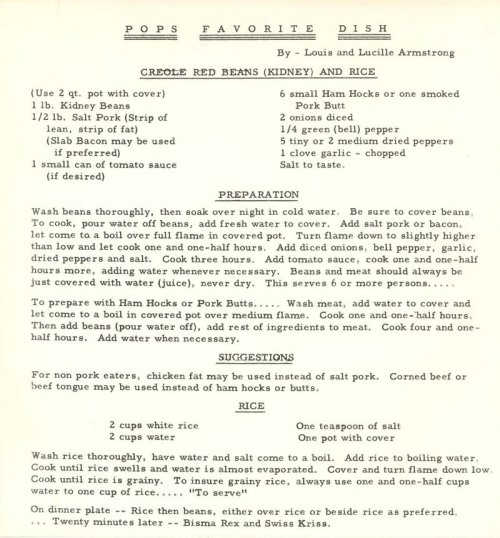
 We are going to New Orleans at the end of this week, one of our favorite food destinations! To prep for our journey we’ve been doing a lot of of research into what food we want to eat, and what music we want to hear (answer: EVERYTHING). Appropriately, we unearthed a food story at the junction of food and music that involves one of New Orleans’ favorite sons, Louis Armstrong. It turns out that along with being the lauded musicians that he was, Louis Armstrong was a major foodie. In fact, he often signed his letters, “Red Beans and Rice-ly yours,” after his favorite dish. In 1971, Louis Armstrong gave one of his final performances, which was