 We were in Miami for a friend’s wedding and we had a fabulous time taking in the local cuisine. One thing L especially loved was the coffee culture in Miami, where delicious espresso was found on every corner. Our Miami-native friend Fredo assured us that Miami’s coffee culture was the greatest in the US, so we were pretty excited to get drinking. Fredo was definitely right, people in Miami are truly passionate about coffee, and we got a ton of suggestions for where to get the best coffee from our Miami-local friends. However, no matter where you go, there are a few major types of Cuban coffee that you will commonly find offered:

Cortadito at Panther Coffee in the Wynwood Art District
Cafecito / Cafe Cubano – very similar to the Brazilian cafezinho, a strong shot of espresso, with a healthy amount of sugar. The drink is not sweetened after, but rather the sugar is added during the brewing process. This drink is ubiquitous, and will run you less than a dollar. We warn, though, you’d better like your coffee strong.
Cortadito – My favorite, a cafecito with some milk added. This drink is often offered to “beginners” who may think a Cafecito is too strong, but I like it anyway!
Cafe con Leche – Typically for breakfast, a shot of Cafecito with a generous amount of steamed milk
Colada – A quadruple shot of espresso with four (usually Styrofoam) shot glasses. Under no circumstances are you supposed to drink all four shots alone, but rather you are supposed to share with friends. Usually this ends up being a pretty good deal.
Another unique aspect of coffee culture in Miami is the fact that coffee counters abound, and are still the most popular way to enjoy a cup. This reminded us of Brazil, where people would enjoy their cafezinhos standing up at small counters. While you can get your cafe to go, many places also have small areas to sit down. You can find Cuban coffee all over Miami, but many of the most famous places are in Little Havana all along Calle Ocho.

Interior of Versailles, at the western end of Little Havana / Calle Ocho
Versailles (3555 SW 8th St.) is one of the more famous Cuban restaurants in Miami, and a solid bet for both Cuban food and coffee. There is a full restaurant, which is a favorite among visitors and locals alike (we were actually there about 1 hour before Beyoncé and Jay Z), but there is also a smaller cafe with a coffee counter attached. Along with coffee, you can also get a wide variety of tarts and pastels and while away the time. We enjoyed a Guava pastry and an apple and citrus Torta de Santiago. The coffee and pastries together reminded us a little of our favorite pastelaria in Lisbon, also called Versailles, though the Miami setting was not as opulent. Another good choice in the area is El Pub, with a more minimalist counter (1548 SW 8th St.).

Cortadito, a Pastel de Guayaba, and a Torta de Santiago at Versailles
Offering a more modern take on the cafecito is Panther Coffee (2390 NW 2nd Ave.). Panther is reminiscent of a NYC or Chicago coffee shop, with a wide menu of small-batch coffee varieties, and even a menu of alcoholic drinks. Located in the artsy Wynwood district, Panther draws a young crowd that looks like they would be more at home in Wicker Park. Even if you are hipster-averse, the coffee is great.

Panther Coffee in Wynwood
This list only is the tip of the iceberg, and you can find Cafe Cubano on every corner of Miami. We are excited to try out more spots when we return there in February. In the meantime, maybe we should pick up some Bustelo Coffee at the supermarket.

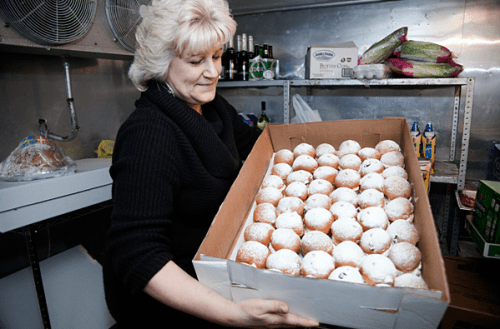
 It’s Mardi Gras / Fat Tuesday / Carnaval! Hope you are having a festive time, or at least enjoying some festive treats. We’ve written about many Fat Tuesday goodies in the past including the inimitable Chicago doughnut staple, the Paczki. Like the Polish Paczki, the Portuguese malasada is a filled doughnut without a hole, eaten as a last indulgence before Lent. The malasada first came to Hawaii with Portuguese immigrants in the late 19th century, and has since become immensely popular in Hawaii as well as in Madeira and the Azores. Due to the treat’s popularity, Shrove Tuesday in Hawaii is informally known as “Malasada day” and at the iconic Leonard’s Bakery in Honolulu (933 Kapahulu Ave, Honolulu, HI 96816) you can even get plush Malasada toys alongside the coveted pastries. Traditionally, Malasadas were not filled, but today in Hawaii you can get fun fillings like Coconut (Haupia), Chocolate and Passion Fruit. Saveur even has a recipe for Leonard’s signature Malasadas.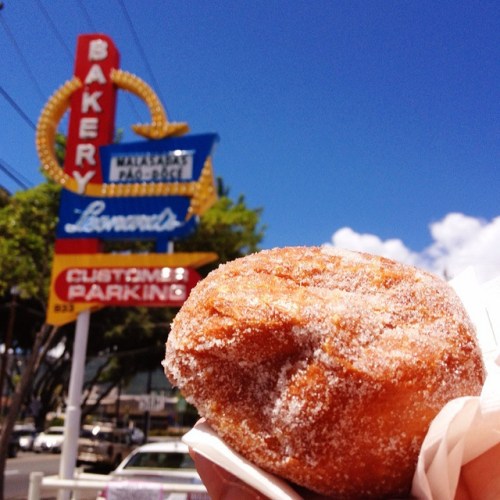

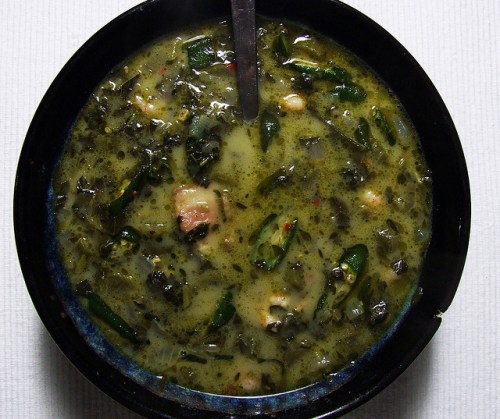
 East Timor is one of the world’s youngest counties, established only in 2002. However, it is already sending its first athlete to the winter Olympics, skier Yohan Goutt-Goncalves. Seafood is key in the national diet in this island nation, and culinary influence from Portugal and Indonesia is strongly felt. The national dish of East Timor is Ikan Pepes / Pepes Ikan (Ikan means ‘fish’ and pepes is the cooking technique), fish steamed with chili sauce in a banana leaf. Sounds pretty good! Here are two recipes for Ikan Pepes from
 Malta, a Mediterranean island nation. has one competitor in their debut Olympics, skier Elise Pellegrin. Malta’s cuisine is influenced by France, Spain, Italy and even England. The national dish of the country is Stuffat Tal-Fenek, a stewed rabbit dish in a red wine an tomato sauce. Apparently rabbit is hugely popular in Malta, and a dinner where rabbit is consumed is called a fenkata.
 This year, Winter Olympics newcomer Togo has two athletes competing in Sochi, skiiers Alessia Afi Dipol and Mathilde-Amivi Petitjean. We were also super interested to learn that there was a
 Zimbabwe is competing in the Winter Olympics for the first time in Sochi, with Alpine skiier Luke Steyn, and we are excited to learn more about the country’s national dish and cuisine. The national dish of Zimbabwe is widely considered to
 Second in our series on winter Olympic newcomer cuisines is Paraguay. The athlete representing Paraguay is an American citizen of Paraguayan heritage,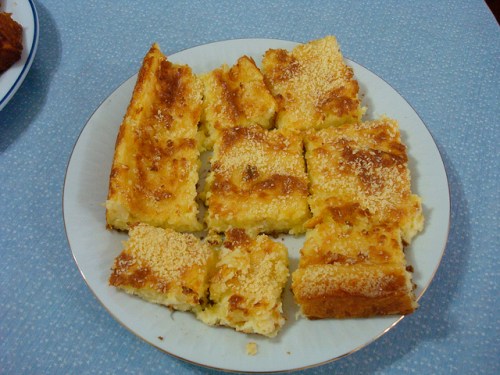
 The first in our Winter Olympics newcomer series is Tonga. The sole athlete from Tonga is certainly making waves at their first Winter Olympics, the luger, born Fuahea Semi , now
 What did you think of the Opening Ceremony? With the 2014 Sochi Winter Olympics officially under way, we are in full Russian food mode. We are not experts in Russian food, but we have trying to learn more about the country’s different regional and local specialties. We’ve done a little research in preparation for a Russian dinner party in honor of the Sochi Olympics, to get a little beyond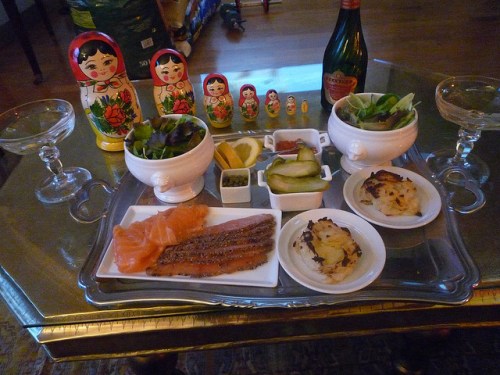
 Happy Lunar New Year! In China, today is the start of the year of the horse, and it’s time for delicious, celebratory treats as well. We’ve always loved the pretty Chinese cakes made in traditional wooden molds, like mooncakes. But the
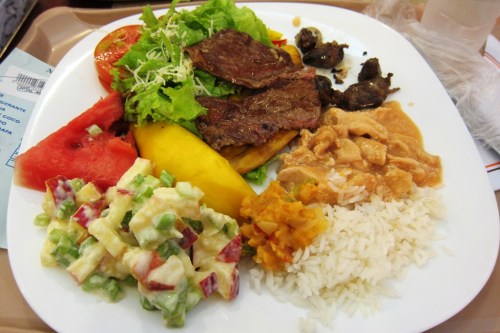
 One of the things you have to do before you leave Brazil is eat at a kilo restaurant. One of the quintessential Brazilian dining experiences, we long for places in the United States where you can get great food by the pound. While you can find kilo restaurants on nearly every street corner in Brazil, our absolute favorite kilo restaurant is the vegetarian-friendly Ramma in Salvador.


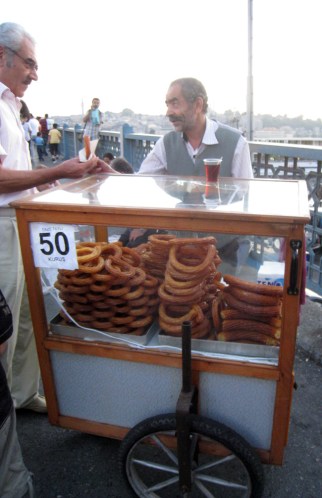
 The street food in Istanbul is amazing, and there is a whole lot more than Döner on offer. Though of course the ubiquitous cone of meat is available, we found some options for street food that were completely unique.
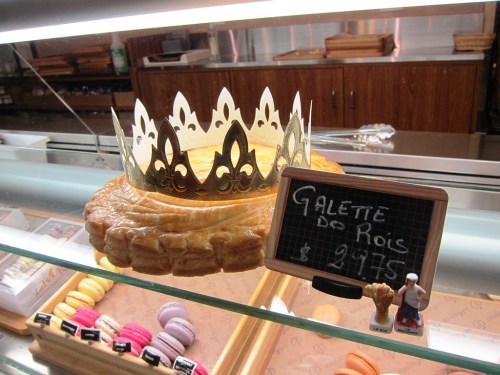
 King cake is commonly eaten on Epiphany, January 6th, and whoever finds the trinket (la fève) in the cake (sometimes ceramic, or sometimes edible, like a fava bean) is king/queen for a day. However, it is fashionable in Paris to serve it long after that, and perhaps this tradition holds in Chicago as well, since we still saw it on offer in Mid-January. The French Galette des Rois is made with puff pastry and filled with almond cream. David Lebovitz has a
 I recently learned about the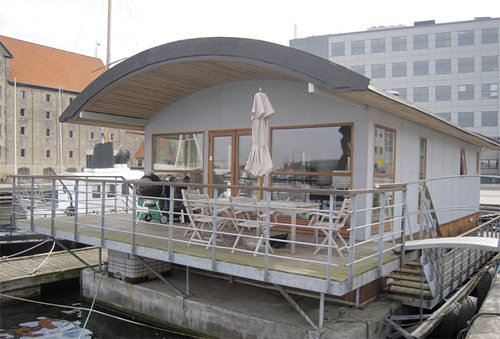

 A recent episode of one of our favorite podcasts,
 Boxing Day



 Eating The World
